Ozone water treatment in the brewing industry is the most effective method for achieving high-level disinfection while simultaneously reducing water consumption and chemical overhead. Unlike traditional thermal or chemical sanitation, aqueous ozone acts as a powerful oxidant that kills bacteria, yeast, and molds on contact before reverting back into pure oxygen. By integrating an ozone generator into your facility, you can eliminate the need for hot water rinses and harsh chemical residues, ensuring your brew remains untainted and your overhead stays low.
In this guide, you will learn how to implement ozone technology to streamline your Clean-in-Place (CIP) cycles, treat your source water, and manage your effluent—all while maintaining the highest standards of food safety and craft quality.
Understanding the Power of Ozone in Brewing
Ozone (O₃) is a triatomic molecule consisting of three oxygen atoms. It is one of the most potent commercially available oxidants, far surpassing chlorine and peracetic acid (PAA) in its ability to rupture the cell walls of microorganisms.
When used for ozone for water treatment, the gas is dissolved into water to create “aqueous ozone.” This solution is then circulated through fermentation tanks, bright tanks, and kegs. Because ozone is unstable, it has a short half-life; once it has completed its disinfection task, it naturally degrades back into O₂, leaving behind no chemical byproduct, no odor, and no taste.
Why Breweries are Switching to Ozone Water Treatment
The shift toward ozone water treatment in the brewing industry is driven by three primary factors: quality control, environmental sustainability, and bottom-line profitability.
1. Superior Disinfection Capability
Ozone is effective against a broad spectrum of pathogens, including Listeria, E. coli, and wild yeasts that can ruin a batch. It works up to 3,000 times faster than chlorine and is effective even at low concentrations (typically 1.0 to 2.0 ppm for most brewery applications).
2. Elimination of Chemical Residues
Traditional sanitizers like PAA or iodine-based solutions require a final rinse with sterile water to ensure no chemicals affect the beer’s flavor profile or head retention. Since ozone reverts to oxygen, a final rinse is unnecessary. This “no-rinse” capability is a game-changer for maintaining the “organic” integrity of premium craft beers.
3. Significant Utility Savings
Sanitizing with hot water or steam is energy-intensive. Ozone is a cold-water process. By switching to ozone, breweries can reduce their natural gas or electricity bills significantly. Furthermore, because there is no final rinse required, total water usage per barrel of beer produced drops by 20% to 30%.
Integrating an Ozone Generator into Your Brewery
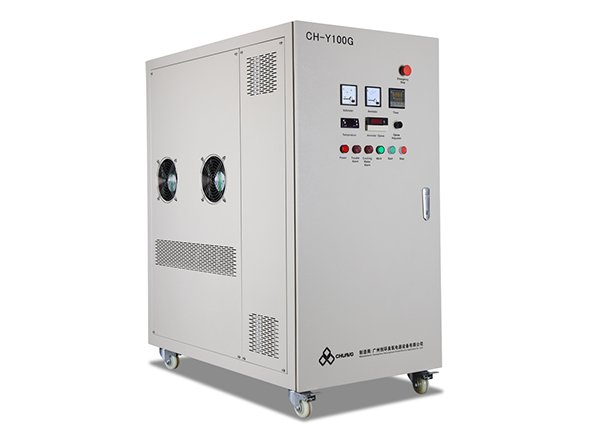
To implement this technology, you need a high-quality ozone generator. These units take ambient air or concentrated oxygen and pass it through a high-voltage corona discharge to create ozone gas.
How the Process Works:
• Oxygen Feed: An oxygen concentrator provides pure O₂ to the generator.
• Ozone Production: The ozone generator converts O₂ into O₃.
• Mass Transfer: An injector (usually a Venturi system) dissolves the gas into a side-stream of water.
• Monitoring: An integrated ORP (Oxidation-Reduction Potential) meter ensures the dissolved ozone levels are sufficient for total disinfection.
Step-by-Step: Implementing Ozone in Your CIP Cycle
The Clean-in-Place (CIP) cycle is the heartbeat of brewery hygiene. Here is how to replace traditional chemicals with ozone for water treatment in your daily operations.
Step 1: Pre-Rinse
Start with a standard water rinse to remove heavy organic solids and “krausen” lines from the tanks. Ozone is an oxidant, not a detergent; it is most effective when the bulk of the organic soil has already been removed.
Step 2: Caustic Wash
Run your standard caustic cycle to break down proteins and fats. Ozone is generally not used during this stage because high pH levels can cause ozone to degrade too quickly.
Step 3: Intermediate Rinse
Rinse out the caustic solution with ambient temperature water.
Step 4: Ozone Sanitation
Circulate aqueous ozone from your ozone generator through the vessel. For a standard fermentation tank, a 10-minute cycle at a concentration of 2.0 ppm is usually sufficient to achieve a 5-log reduction in microbial activity.
Step 5: Direct Fill
Because ozone leaves nothing but oxygen behind, you can move directly from the sanitation cycle to filling the tank with wort or beer. There is no need to wait for the tank to dry or for chemicals to dissipate.
Real-World Example: The “Green Leaf” Brewery Case Study
Imagine a mid-sized brewery producing 15,000 barrels per year. Prior to adopting ozone water treatment in the brewing industry, they utilized PAA and 180°F hot water for all tank sanitation.
The Challenges:
• Spending $12,000 annually on PAA.
• High energy bills from heating 40,000 gallons of water per month for CIP.
• Occasional “off-flavors” in their pilsners due to chemical carryover.
The Ozone Solution:
The brewery installed a mobile ozone generator cart capable of delivering 3.0 ppm of dissolved ozone. They replaced their final chemical rinse and hot water sanitization with a 15-minute cold ozone wash.
The Results:
• Chemical Costs: Reduced by 85% (only using caustic for heavy cleaning).
• Water Usage: Saved 10,000 gallons per month by eliminating the final rinse.
• Energy Savings: Natural gas costs for water heating dropped by $600 per month.
• Quality: Consistent flavor profiles across all batches with zero chemical interference.
Ozone for Barrel Cleaning and Maintenance
For breweries with barrel-aging programs, ozone is an invaluable tool. Wood is porous and can harbor spoilage organisms deep within the staves. Traditional steam cleaning can damage the wood over time.
Using ozone for water treatment allows the brewer to rinse barrels with an aqueous ozone solution. The ozone penetrates the surface of the wood, killing unwanted brettanomyces and bacteria without stripping the oak flavors or damaging the structural integrity of the barrel.
Wastewater Treatment and Effluent Management
The benefits of ozone water treatment in the brewing industry extend to the drain. Brewery wastewater is high in Biological Oxygen Demand (BOD) and Chemical Oxygen Demand (COD). Municipalities often charge heavy surcharges for discharging this high-strength waste.
By treating effluent with ozone before it hits the sewer, breweries can:
• Reduce BOD/COD levels: Ozone breaks down complex organic molecules.
• Remove Color and Odor: Ozone neutralizes the dark colors and yeast odors associated with brewery waste.
• Neutralize Pathogens: Ensuring the water discharged is environmentally safe.
Safety Considerations for Ozone Use
While ozone is highly effective, it must be handled with respect. Ozone gas in the air can be an irritant to the respiratory system.
• Ambient Sensors: Always install ozone sensors in the cellar to detect leaks.
• Off-Gassing: Ensure that tanks have proper “off-gas” destruct units to convert excess ozone back into oxygen before it enters the room.
• Material Compatibility: Ensure your gaskets (use EPDM or Viton) and hoses are ozone-compatible, as ozone can degrade natural rubber over time.
FAQ: Ozone Water Treatment in the Brewing Industry
Is ozone safe for stainless steel tanks?
Yes. At the concentrations used for ozone water treatment in the brewing industry (typically 1–3 ppm), aqueous ozone is perfectly safe for 304 and 316 stainless steel. It does not cause the pitting or corrosion often associated with high-chlorine sanitizers.
Can ozone replace caustic soda in a brewery?
No. Ozone is a sanitizer and oxidant, not a degreaser. You still need a caustic or acidic detergent to remove heavy organic soils and protein buildup. Ozone replaces the sanitization step and the final rinse step.
How much does an ozone generator cost for a brewery?
The cost of an ozone generator varies based on flow rate. A mobile cart system for a small to mid-sized craft brewery typically ranges from $5,000 to $15,000. Most breweries see a full return on investment (ROI) within 12 to 18 months through chemical and energy savings.
Does ozone affect the flavor of the beer?
No. In fact, it often improves it. Because ozone reverts to pure oxygen, there are no residual chemicals to interact with the delicate hop oils or malt profiles. It is the cleanest way to ensure a “blank slate” for your brew.
Conclusion: Elevating Your Brew with Ozone Technology
Adopting ozone water treatment in the brewing industry is no longer just a trend for large-scale macro-breweries. For the craft brewer, it represents a commitment to quality, a drive for sustainability, and a savvy financial move. By integrating an ozone generator into your facility, you ensure that every pint served is free from microbial contamination and chemical interference.
Ready to modernize your brewery? Evaluate your current CIP costs and consider how ozone for water treatment can streamline your operations. Contact an ozone systems specialist today to size a unit for your specific barrelage and take the first step toward a chemical-free future.