Ozone water treatment in bottled water plants is the universally accepted method for disinfecting water prior to bottling, achieving a 99.99% kill rate of bacteria, viruses, and parasites. By injecting dissolved ozone gas directly into the water supply, plant operators can instantly destroy harmful microorganisms without leaving behind any toxic chemical residues. This process not only guarantees safe drinking water but also sanitizes the bottles and caps, extending the product’s shelf life and ensuring strict compliance with FDA and IBWA regulations.
Whether you are designing a new beverage facility or upgrading an aging water purification process, implementing ozone for water treatment is the most effective way to protect your brand and your consumers. In this comprehensive guide, we will break down the exact science, system architecture, and operational benefits of integrating this technology into your bottling line.
The Science Behind Ozone for Water Treatment
To understand why ozone is the preferred purification method in the beverage industry, you must look at its basic chemistry. Ozone (O3) is a highly reactive gas composed of three oxygen atoms. It is created when electrical energy breaks apart ordinary oxygen molecules (O2), causing single oxygen atoms to attach to other O2 molecules.
This third oxygen atom is highly unstable, making ozone one of the most powerful oxidizing agents available for commercial use. When dissolved ozone encounters pathogens in water, it attacks their cellular walls in a process called cell lysis. This immediate oxidation destroys bacteria, viruses, and protozoa on contact, rendering them completely harmless.
The greatest advantage of this process is what happens after the disinfection is complete. Unlike chlorine or other harsh chemicals, ozone has a very short half-life. Within 20 to 30 minutes, it naturally reverts back to pure, breathable oxygen (O2). This means your bottled water retains a crisp, clean taste with absolutely zero chemical byproducts or odors.
How an Ozone Generator Powers Your Bottling Plant
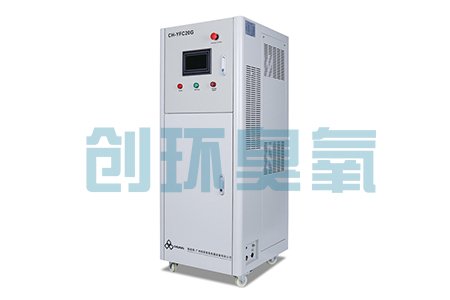
At the heart of this purification system sits the ozone generator, a highly specialized piece of equipment designed to produce ozone gas on-site. Because ozone is too unstable to be stored in tanks or transported, it must be manufactured exactly when and where it is needed. Bottling plants typically rely on corona discharge technology to achieve this at a commercial scale.
In a corona discharge system, highly purified, moisture-free air or concentrated oxygen is passed through a high-voltage electrical field. This simulated lightning strike splits the oxygen molecules, forcing them to reform as ozone gas. The resulting gas is then piped directly into the water treatment line.
Investing in a high-quality, properly sized generator is critical for maintaining a continuous bottling operation. If your generator is undersized, you will not achieve the dissolved ozone concentration necessary to meet regulatory standards. Conversely, an oversized unit without proper controls can lead to off-gassing issues and potential damage to bottling line equipment.
The 5-Step Process: Ozone Water Treatment in Bottled Water Plants
Implementing an ozone system requires a precise, carefully engineered architecture. To ensure optimal disinfection, the process is generally broken down into five distinct stages within the plant’s broader water purification process.
1. Feed Gas Preparation
The process begins by preparing the air that will be fed into the system. Ambient air contains moisture and nitrogen, which can reduce efficiency and create corrosive nitric acid if not managed. Industrial plants use oxygen concentrators and air dryers to feed 90% to 95% pure oxygen into the system, ensuring maximum ozone yield.
2. Ozone Generation
Once the pure oxygen is prepared, it enters the ozone generator. The high-voltage corona discharge converts the oxygen into ozone gas. Modern generators are equipped with smart sensors and programmable logic controllers (PLCs) to adjust the ozone output based on the real-time flow rate of the plant’s water supply.
3. Mass Transfer (Injection)
Generating the gas is only half the battle; it must now be dissolved into the water. Most modern plants use a venturi injector, which creates a pressure vacuum that literally sucks the ozone gas into the water stream. This method creates millions of micro-bubbles, maximizing the surface area and ensuring the highest possible mass transfer efficiency.
4. Contact Time in the Vessel
After injection, the water flows into a stainless steel contact tank. Contact time (CT value) is a critical metric in water purification; it represents the concentration of dissolved ozone multiplied by the time the water remains in the tank. FDA guidelines generally require a dissolved ozone concentration of 0.1 to 0.4 parts per million (ppm) for a specific duration to ensure complete sterilization.
5. Bottling and Capping
Once the water has spent sufficient time in the contact tank, it moves immediately to the filler head. Because the water still contains a residual amount of ozone (usually around 0.2 ppm), it actively sanitizes the inside of the plastic or glass bottle, as well as the cap. Shortly after the bottle is sealed, the ozone safely reverts to oxygen, leaving perfectly pure water.
Why Ozone Outperforms UV and Chlorine
Plant engineers often weigh the benefits of ozone against other common disinfection methods like Ultraviolet (UV) light and chlorine. While each method has its place in industrial applications, ozone for water treatment is vastly superior for bottled water.
Ozone vs. Chlorine
Chlorine is a highly effective, low-cost disinfectant used heavily in municipal water treatment. However, chlorine alters the taste and odor of water, which is unacceptable for a premium bottled water brand. Furthermore, chlorine reacts with organic compounds to create harmful disinfection byproducts (DBPs) like trihalomethanes (THMs). Ozone avoids all of these issues by breaking down into harmless oxygen.
Ozone vs. UV Sterilization
UV light is another chemical-free method that deactivates the DNA of pathogens, preventing them from reproducing. However, UV light has no residual effect; once the water leaves the UV chamber, it is immediately vulnerable to re-contamination from pipes or dirty bottles. Ozone carries a residual disinfection power into the bottle itself, ensuring the packaging is sanitized alongside the water.
Regulatory Compliance: Meeting FDA and IBWA Standards
Operating a bottled water plant in the United States requires strict adherence to regulations set by the Food and Drug Administration (FDA) and the International Bottled Water Association (IBWA). Proper ozone implementation is essentially your guarantee of passing these rigorous inspections.
The FDA requires bottled water facilities to maintain a safe, sanitary operating environment and produce water free of coliforms and other biological contaminants. The IBWA explicitly recommends ozone as a best practice for final disinfection. By utilizing automated oxidation-reduction potential (ORP) controllers, plant managers can continuously monitor and log ozone levels.
This continuous data logging proves to inspectors that your water consistently hits the required 0.1 to 0.4 ppm threshold. If a drop in ozone concentration occurs, automated systems can instantly halt the bottling line, preventing a catastrophic and costly product recall.
Hypothetical Case Study: AquaPure Beverage Solutions
To understand the real-world impact of ozone water treatment in bottled water plants, let’s look at a hypothetical medium-sized facility: AquaPure Beverage Solutions. AquaPure was previously using a combination of UV light and mild chlorination, followed by a carbon filter to remove the chlorine taste before bottling.
Despite their efforts, AquaPure was experiencing sporadic shelf-life issues. Algae and biofilm were silently building up inside their filler heads, causing occasional batches to fail biological testing. This led to high product return rates and severe brand damage. They decided to overhaul their system and install an industrial-grade ozone generator just before the filling station.
The results were immediate and transformative. Because the ozonated water passed through the filler heads, it acted as a continuous Clean-In-Place (CIP) system, eradicating the biofilm completely. The residual ozone in the sealed bottles extended their product’s shelf life by over 12 months, and product spoilage dropped to absolute zero.
Essential Equipment Maintenance and Safety Protocols
While ozone is highly beneficial for water treatment, it is a toxic gas in ambient air. Therefore, operating an ozone system safely requires strict maintenance routines and safety protocols. Ensuring the health of your workforce is just as important as ensuring the purity of your water.
Ambient Air Monitors
Every plant utilizing ozone must install ambient air monitors around the generator and the contact tanks. These sensors detect microscopic leaks of ozone gas in the room. If levels exceed OSHA’s permissible exposure limit (0.1 ppm over an 8-hour shift), the sensors trigger alarms and automatically shut down the generator.
Ozone Destruct Units
Not all ozone injected into the water is successfully dissolved. The excess gas that bubbles to the top of the contact tank must be safely vented. An ozone destruct unit captures this off-gas, passes it through a heated catalyst (usually manganese dioxide or a similar material), and safely converts it back to breathable oxygen before venting it outside.
Routine Generator Maintenance
To ensure your ozone generator operates at peak efficiency, regular maintenance is required. This includes replacing air filters on the oxygen concentrators, inspecting the corona discharge tubes for dust or moisture buildup, and calibrating ORP probes monthly. Preventative maintenance prevents costly downtime and ensures consistent water quality.
Frequently Asked Questions (FAQ)
Does ozone change the taste of bottled water?
No, ozone actually improves the taste of bottled water. Because it oxidizes impurities, heavy metals, and organic matter, it results in a crisp, clean taste. Furthermore, because ozone breaks down into pure oxygen shortly after bottling, it leaves absolutely no chemical flavor behind.
Is an ozone system expensive to operate?
The primary operating cost of an ozone system is the electrical power required to run the generator and the oxygen concentrator. While the initial capital expenditure for the equipment is higher than basic chemical dosing, the long-term operational costs are remarkably low, as there are no continuous chemical supplies to purchase.
How long does ozone last in a sealed water bottle?
The half-life of dissolved ozone in highly purified water is typically 20 to 30 minutes at room temperature. Within a few hours of sealing the bottle, the ozone concentration drops to zero. This brief window is exactly enough time to sterilize the interior walls of the bottle and the cap before safely dissipating.
Can ozone remove minerals from spring water?
Ozone does not remove dissolved minerals like calcium or magnesium, which are often desired in premium spring water. However, it will oxidize dissolved iron and manganese, turning them into solid particles. If these metals are present, the water must pass through a fine mechanical filter post-ozonation to remove the oxidized particles before bottling.
Conclusion and Next Steps
Implementing ozone water treatment in bottled water plants is the ultimate strategy for guaranteeing product safety, extending shelf life, and effortlessly meeting strict FDA and IBWA standards. By harnessing the incredible oxidizing power of an ozone generator, modern beverage facilities can deliver crystal clear, exceptionally pure water without relying on toxic chemicals or risking biological contamination.
If you are experiencing quality control issues, biofilm buildup, or are currently designing a new bottling line, now is the time to embrace ozone for water treatment. Partner with a reputable water engineering firm to assess your flow rates, calculate your required CT values, and design a custom ozone injection system tailored to your exact facility. Take control of your water quality today and secure the long-term success of your beverage brand!