Ozone water treatment in hospitals is the deployment of a highly reactive, chemical-free oxidation process to instantly destroy waterborne pathogens like Legionella, eradicate plumbing biofilm, and safeguard patient health. Unlike traditional chlorine, which struggles to penetrate protective bacterial slime and leaves behind toxic byproducts, ozone acts thousands of times faster before naturally reverting into pure oxygen. Facility managers and infection control specialists utilize this technology to ensure 100% compliance with stringent healthcare water safety regulations.
If you are struggling to manage complex hospital water loops, fighting recurrent pathogen outbreaks, or dealing with the corrosive side effects of heavy chemical dosing, this guide is for you. You will learn the exact science behind ozone for water treatment, uncover the hidden dangers of traditional disinfection methods, and discover how to implement a modern secondary water treatment system in your healthcare facility.
By the end of this comprehensive guide, you will have a clear, actionable roadmap for upgrading your facility’s water safety protocols. We will explore real-world implementation strategies, analyze cost-saving benefits, and review how this technology protects your most vulnerable patients.
Why Hospitals Are Shifting Away from Traditional Chlorine
For decades, chlorine has been the undisputed champion of municipal and commercial water disinfection. However, modern healthcare environments present unique, highly complex challenges that standard chlorination simply cannot solve.
The Hidden Dangers of Biofilm and HAIs
Hospital plumbing systems are massive, intricate networks filled with dead legs, fluctuating temperatures, and low-flow areas. These conditions create the perfect breeding ground for biofilm—a protective, slimy matrix where dangerous bacteria like Legionella pneumophila and Pseudomonas aeruginosa thrive. Traditional chlorine treatments only skim the surface of this biofilm, leaving the deeper bacterial colonies entirely unharmed.
Furthermore, when chlorine interacts with naturally occurring organic matter in the water supply, it creates Disinfection Byproducts (DBPs) such as trihalomethanes (THMs). Prolonged exposure to these chemical byproducts poses serious long-term health risks to both patients and hospital staff. Chloramines and heavy chlorine dosing also aggressively corrode expensive hospital infrastructure, leading to frequent pipe replacements and costly operational downtime.
How Ozone for Water Treatment Works in Healthcare
To understand why hospitals are making the switch, it is essential to understand the basic chemistry of ozone (O3). Ozone is an incredibly unstable molecule composed of three oxygen atoms. Because it is so unstable, it aggressively seeks out organic materials—such as the cell walls of bacteria and viruses—and transfers its extra oxygen atom to them.
The Role of the Ozone Generator
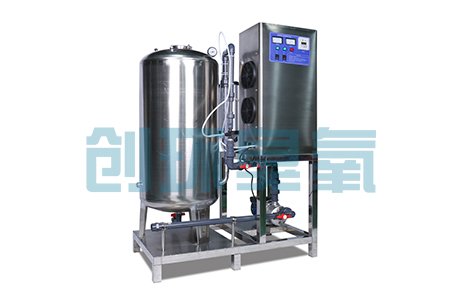
Because ozone cannot be stored or transported due to its rapid half-life, it must be created safely on-site. This is achieved using a specialized industrial ozone generator. These highly calibrated machines pull in ambient air or concentrated oxygen and expose it to a high-voltage electrical discharge, a process known as corona discharge.
This electrical spark splits stable oxygen molecules (O2) into individual atoms, which then recombine to form ozone (O3). Once the gas is generated, it is systematically injected and dissolved into the hospital’s water supply via a venturi injector. The moment the ozone for water treatment enters the water column, it immediately begins tearing apart the cellular walls of dangerous pathogens, effectively neutralizing them on contact.
Critical Applications of Ozone Within a Hospital Environment
Healthcare facilities are essentially small cities, and their water usage spans far beyond basic plumbing and drinking fountains. Ozone water treatment in hospitals is highly versatile and can be applied to several high-risk areas across the medical campus.
Cooling Towers and HVAC Systems
Hospital cooling towers are notoriously high-risk environments for Legionella outbreaks due to their warm, oxygen-rich water. Pumping ozone into cooling tower water continuously eradicates biofilm and prevents scaling without the use of harsh liquid biocides. This not only eliminates the risk of airborne Legionella transmission but also vastly improves the energy efficiency of the hospital’s HVAC system.
Ice Machines and Drinking Water Lines
Hospital ice machines are frequently overlooked vectors for dangerous pathogens. Immunocompromised patients consuming ice from a contaminated machine can quickly develop life-threatening infections. Small, point-of-use ozone systems keep ice machine lines completely sterile, ensuring that every cube of ice is biologically safe.
Surgical Scrub Sinks and Hydrotherapy Pools
Surgeons require the highest possible water purity when preparing for procedures. Ozone ensures that the water flowing from scrub sinks is completely free of micro-organisms. Similarly, hydrotherapy pools used for burn victims or physical therapy require rigorous sanitation; ozone provides a skin-friendly, chemical-free way to keep this water crystal clear and pathogen-free.
Hospital Laundry Facilities
Traditional hospital laundries require incredibly hot water and massive amounts of harsh chemical detergents to sterilize contaminated linens. Ozone injection systems allow hospitals to wash linens in cold water, as the ozone naturally sanitizes and lifts stains at lower temperatures. This drastically reduces natural gas consumption, lowers utility bills, and extends the lifespan of expensive medical linens.
Key Benefits of Ozone Water Treatment in Hospitals
Transitioning to advanced oxidation systems provides several transformative advantages for facility management and patient care.
1. Complete Biofilm Destruction
Unlike chlorine, which merely suppresses bacterial growth, dissolved ozone physically attacks and dissolves the structural integrity of biofilm. It easily penetrates the sticky layers of slime inside pipes, destroying the root cause of recurrent waterborne infections. Once the biofilm is gone, bacteria have nowhere to hide and multiply.
2. Elimination of Harmful Disinfection Byproducts (DBPs)
The most remarkable feature of ozone is its lifecycle. After it has oxidized bacteria, viruses, and organic compounds, the only byproduct left behind is pure, breathable oxygen (O2). This eliminates the creation of toxic DBPs, improves the taste and smell of the water, and ensures a safer environment for sensitive patient wards.
3. Superior Efficacy Against Legionella
Legionella bacteria are highly resistant to standard chemical dosing, requiring massive, corrosive chlorine shock treatments to neutralize. Ozone, however, destroys Legionella instantly upon contact. Ozone water treatment in hospitals provides a continuous, automated defense mechanism against this deadly pathogen, keeping facilities well within regulatory compliance.
4. Reduced Infrastructure Corrosion
Because ozone works faster and leaves no residual chemical footprint, it is significantly less corrosive to plumbing systems than continuous heavy chlorination. Hospitals save hundreds of thousands of dollars over a decade by preventing the premature degradation of copper piping, valves, and expensive medical equipment.
Real-World Application: A Hypothetical Case Study
To illustrate the true impact of this technology, let us look at a hypothetical scenario based on common industry implementations.
St. Jude Metropolitan Hospital’s Water Quality Overhaul
St. Jude Metropolitan, an aging 500-bed facility, was struggling with persistently high Legionella counts in their secondary water loop. Despite implementing a heavy continuous chlorination program, their quarterly water tests continued to fail. Furthermore, the high chlorine levels were causing pinhole leaks in their copper piping, resulting in costly ward shutdowns.
The facility management team decided to overhaul their approach by installing a centralized ozone generator system. They integrated an automated ozone injection skid into their incoming city water supply, closely monitored by Oxidation Reduction Potential (ORP) sensors.
The Results
Within exactly four weeks of activating the system, routine testing showed a 99.9% reduction in viable bacteria counts, bringing their Legionella levels to non-detectable status. The existing biofilm in the plumbing infrastructure was completely flushed out. Additionally, St. Jude Metropolitan reduced their annual chemical procurement costs by 65% and entirely eliminated the complaints regarding chemical odors in the drinking water.
Step-by-Step: Implementing a Hospital Ozone Water System
Integrating an advanced water treatment system into an active medical facility requires careful planning and expert execution. Here is the standard protocol for upgrading a hospital’s water defense.
Step 1: Comprehensive Water Quality Audit
Before purchasing any equipment, a specialized water treatment engineer must conduct a thorough audit of the hospital’s water infrastructure. This involves mapping out the entire plumbing network, identifying dead legs, and testing the incoming city water for pH, hardness, and existing microbial loads.
Step 2: Sizing the System Correctly
Not all facilities require the same level of oxidation. Engineers will calculate the specific daily water usage to determine the precise size and capacity of the ozone generator required. Sizing is critical; an undersized unit will fail to eradicate pathogens, while an oversized unit wastes energy.
Step 3: Installation and Integration
The ozone skid is typically installed at the point of entry (POE) where the municipal water enters the facility, or integrated directly into the cooling tower loop. The installation must include proper off-gas destructors to ensure any undissolved ozone gas is safely converted back to oxygen before being vented.
Step 4: Continuous Automated Monitoring
Modern ozone systems are not “set and forget.” They are integrated with advanced ORP monitors and building management systems (BMS). These sensors continuously measure the exact concentration of ozone in the water, automatically adjusting the generator’s output to maintain perfect sanitation levels 24/7.
Frequently Asked Questions (FAQ)
Is ozone safe for drinking water in a hospital?
Yes, it is completely safe. Ozone is approved by the FDA and the EPA as a safe and highly effective water disinfectant. Because ozone reverts to pure oxygen within roughly 20 to 30 minutes, there are no toxic chemicals left in the water by the time a patient or staff member drinks it.
How much does a commercial ozone generator cost for a healthcare facility?
The initial capital investment varies wildly depending on the size of the facility and the volume of water treated. Small point-of-use systems for ice machines can cost a few thousand dollars, while centralized POE (Point of Entry) systems for a massive 1000-bed hospital can range from $50,000 to over $150,000. However, the return on investment (ROI) is typically realized within 2 to 3 years through chemical and maintenance savings.
Does ozone completely replace the need for chlorine?
In many secondary water treatment applications, yes. However, municipal water regulations often still require a small residual amount of chlorine to remain in the municipal lines. Hospitals frequently use ozone as a secondary disinfection method to eradicate the biofilm that municipal chlorine cannot penetrate, offering a comprehensive, multi-barrier approach to water safety.
Conclusion & Next Steps
Ensuring absolute water safety in a healthcare environment is a non-negotiable responsibility. Traditional chemical treatments are proving increasingly inadequate against stubborn biofilm and highly resistant pathogens like Legionella. By investing in ozone water treatment in hospitals, facility managers can proactively protect vulnerable patients, eliminate toxic chemical byproducts, and vastly extend the lifespan of their plumbing infrastructure.
The transition from outdated chlorination to advanced oxidation is an investment in long-term safety, operational efficiency, and regulatory peace of mind. As healthcare standards continue to evolve, chemical-free pathogen eradication is rapidly becoming the gold standard in modern facility management.
Ready to safeguard your hospital’s water supply? Contact our team of water treatment specialists today to schedule a comprehensive facility water audit and discover how a customized ozone system can revolutionize your infection control protocols.