Ozone water treatment in textile factories is an advanced oxidation process that injects highly reactive ozone gas into industrial effluent to instantly break down toxic dyes, drastically lower Chemical Oxygen Demand (COD), and enable large-scale water recycling. If you are struggling with strict environmental regulations, exorbitant chemical sludge disposal costs, or failing to remove stubborn color from your wastewater, ozone technology is the definitive solution.
By reading this comprehensive guide, you will learn exactly how ozone technology works within an industrial setting. We will explore the science behind ozone oxidation, the operational benefits over traditional chemical treatments, and the exact steps to implement this system in your facility. Ultimately, you will discover how to transform your wastewater treatment plant from a financial burden into an eco-friendly asset.
The Growing Wastewater Crisis in the Textile Industry
The global textile industry is notoriously one of the largest consumers of fresh water on the planet. Producing a single cotton t-shirt requires over 700 gallons of water, with the dyeing and finishing stages being the most water-intensive. Consequently, textile factories generate massive volumes of highly polluted effluent.
This wastewater is incredibly difficult to treat because it is loaded with complex synthetic dyes, heavy metals, and toxic sizing agents. These chemicals result in dangerously high levels of Chemical Oxygen Demand (COD) and Biological Oxygen Demand (BOD). Furthermore, local governments worldwide are cracking down on industrial pollution.
Regulatory bodies are now mandating Zero Liquid Discharge (ZLD) protocols, forcing factories to clean and reuse their water rather than dumping it into local rivers. Traditional treatment methods rely heavily on chemical coagulants, which simply turn liquid pollution into solid toxic sludge. This is exactly where the power of advanced oxidation becomes necessary.
What is Ozone Water Treatment?
Ozone (O3) is a naturally occurring gas composed of three oxygen atoms. It is one of the most powerful commercially available oxidants in the world. When used in industrial applications, it acts as a rapid, aggressive purifying agent.
Unlike chlorine or other harsh chemical treatments, ozone leaves no harmful chemical residues behind. After the oxidation process is complete, ozone naturally reverts back to pure, breathable oxygen (O2). This makes it an incredibly sustainable and environmentally friendly choice for large-scale industrial plants.
In the context of industrial wastewater, utilizing ozone for water treatment is known as an Advanced Oxidation Process (AOP). The extra oxygen atom in the ozone molecule is highly unstable and aggressively seeks out organic pollutants, instantly breaking their molecular bonds upon contact.
How Ozone Water Treatment in Textile Factories Works
Integrating an ozone system into an existing Effluent Treatment Plant (ETP) is a highly systematic process. It usually occurs during the tertiary stage of wastewater treatment. Here is the step-by-step breakdown of how a textile factory utilizes this technology.
Step 1: The Pre-Treatment Phase
Before wastewater interacts with ozone, it must undergo primary and secondary treatment. The raw effluent first passes through physical screens to remove lint, threads, and large suspended solids.
Next, the water enters a biological treatment phase, such as an aeration tank. Here, naturally occurring bacteria consume a large portion of the biodegradable organic matter. While this lowers the BOD, the bacteria are largely ineffective against synthetic textile dyes, leaving the water heavily discolored.
Step 2: Generation and Injection
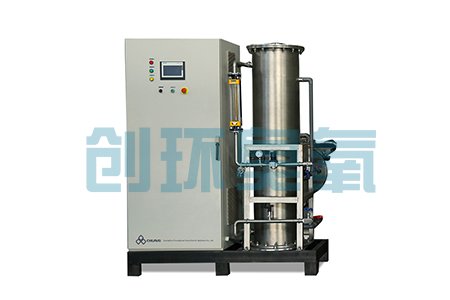
Because ozone is highly unstable, it cannot be shipped in tanks; it must be manufactured on-site. The factory utilizes an ozone generator, which pulls in concentrated ambient oxygen and exposes it to a high-voltage electrical corona discharge. This electrical field splits the O2 molecules, forcing them to reform as O3.
Once generated, the ozone gas is immediately injected into the wastewater. This is typically done using highly efficient venturi injectors or fine bubble diffusers at the bottom of a contact tank. Maximum mass transfer is critical here to ensure the gas fully dissolves into the liquid effluent.
Step 3: The Advanced Oxidation Process
The moment the dissolved ozone meets the textile wastewater, a violent chemical reaction occurs. The ozone molecules attack the chromophores—the specific molecular bonds in synthetic dyes that give them their vibrant color.
By cleaving these double bonds, the ozone instantly neutralizes the dye, turning dark, opaque wastewater crystal clear in a matter of minutes. Simultaneously, the aggressive oxidation attacks long-chain polymers, rapidly breaking them down into smaller, easily biodegradable molecules, which significantly reduces the overall COD.
Step 4: Post-Treatment and Safe Recycling
Following the oxidation contact time, any residual, unreacted ozone gas is safely captured and passed through an ozone destruct unit. This unit converts the leftover O3 back into safe oxygen before releasing it into the atmosphere.
The freshly treated water is now clear, odorless, and stripped of toxic organic compounds. At this stage, it can be passed through a Reverse Osmosis (RO) system to remove dissolved salts. The final product is high-quality, clean water that can be piped directly back into the factory’s dyeing machines.
Key Benefits of Utilizing Ozone in Textile Effluent
Switching to an ozone-based system provides massive operational and financial advantages for modern textile manufacturers. Here are the most impactful benefits.
Unmatched Color Removal
Synthetic dyes, particularly reactive dyes used for cotton, are specifically engineered to resist fading from light, water, and chemicals. This makes them incredibly resistant to traditional wastewater bacteria. Ozone is one of the only technologies capable of completely decolorizing these complex dye structures.
Massive Reduction in COD and BOD
High COD levels result in hefty fines from environmental protection agencies. Ozone aggressively breaks down the complex organic chemicals that cause high COD. By oxidizing these hard-to-degrade compounds, factories can easily meet stringent discharge regulations.
Complete Elimination of Chemical Sludge
When factories use chemical coagulants like alum or iron salts to remove dyes, it creates a massive volume of highly toxic secondary sludge. Disposing of this hazardous waste costs facilities thousands of dollars annually. Because ozone works via gas-based oxidation, it produces absolutely zero secondary sludge, drastically slashing operational disposal costs.
Achieving Zero Liquid Discharge (ZLD)
For factories aiming for complete sustainability, ZLD is the ultimate goal. Because ozone purifies the water without adding additional salts or chemicals, it drastically improves the efficiency and lifespan of downstream Reverse Osmosis membranes. This synergy allows factories to recycle up to 95% of their water, completely insulating them from local water scarcity issues.
Traditional Chemical Treatment vs. Ozone Water Treatment
To truly understand the value of this technology, plant managers must compare it to the status quo. Most legacy ETPs rely heavily on chemical coagulation and flocculation.
The Limitations of Chemical Coagulation
Traditional chemical treatment requires purchasing, transporting, and storing massive quantities of hazardous liquid chemicals. Workers must constantly monitor and adjust the pH of the water for these chemicals to work properly.
Furthermore, chemicals do not actually destroy the pollutants; they simply force the pollutants to clump together and sink to the bottom of the tank. This leaves the facility with tons of wet, toxic sludge that requires expensive dewatering and hazardous landfill disposal. It is an endless cycle of chemical dependency and waste generation.
The Ozone Advantage
In contrast, an ozone system requires no chemical inventory. The only inputs required are ambient air and electricity. Once the equipment is installed, the system operates automatically with minimal daily supervision.
More importantly, ozone destroys the pollutant at the molecular level rather than just moving it from the water to the solid phase. While the initial capital expenditure (CAPEX) for ozone equipment is higher, the massive reduction in chemical purchasing and sludge disposal creates a remarkably fast return on investment (ROI).
Real-World Implementation: A Hypothetical Case Study
Consider a large-scale denim manufacturing facility in Southeast Asia, processing over 500,000 gallons of wastewater daily. Historically, the plant relied heavily on chemical bleaching and biological treatments, resulting in an ETP operating cost of $0.85 per cubic meter of water treated.
Despite these costs, the treated water retained a dark blue tint and frequently failed local COD discharge limits. To fix this, the facility retrofitted its tertiary treatment stage with an industrial-grade ozone generator capable of producing 10 kilograms of ozone per hour.
Within the first week of operation, the results were transformative. The intense oxidation completely eliminated the blue dye, yielding clear water. The plant’s COD levels dropped by an additional 60%, bringing them well below legal limits.
Financially, the factory eliminated its monthly $15,000 sludge disposal fee and cut its chemical purchasing by 80%. The new operating cost dropped to just $0.35 per cubic meter. The entire ozone system paid for itself in just 18 months, while allowing the factory to successfully recycle 85% of its water back into production.
How to Choose the Right Ozone Equipment for Your Factory
Integrating ozone water treatment in textile factories requires precise engineering. You cannot simply buy a machine off the shelf; it must be tailored to your specific effluent profile.
First, you must conduct a pilot test to determine the exact ozone dosage required to neutralize your specific mixture of dyes. This is known as calculating your ozone demand. Once the demand is known, engineers can properly size the generation system to ensure maximum efficiency.
Secondly, pay close attention to the feed gas system. Industrial systems should always use an oxygen concentrator rather than ambient air. Feeding highly concentrated oxygen into the generator produces a much higher concentration of ozone, which dissolves much faster into wastewater.
Finally, ensure the system includes high-quality cooling mechanisms. The process of generating ozone creates intense heat, and heat instantly destroys ozone gas. A highly efficient closed-loop water cooling system is mandatory to keep the generators running at peak capacity 24/7.
Frequently Asked Questions (FAQ)
Is ozone treatment expensive to operate?
While the initial capital investment is higher than traditional chemical setups, the operational costs are incredibly low. You only pay for the electricity required to run the generator and the oxygen concentrator. Most factories see a full return on investment within 18 to 24 months due to savings on sludge disposal and chemical purchases.
Does ozone remove all types of textile dyes?
Ozone is highly effective against the vast majority of organic synthetic dyes, including reactive, disperse, and acid dyes. It works by breaking the carbon-carbon double bonds responsible for color. However, pilot testing is always recommended to establish the precise dosage and contact time required for your factory’s specific chemical cocktail.
Is ozone safe for factory workers?
Yes, when engineered correctly. Ozone has a highly distinct smell that humans can detect at extremely low, safe levels, serving as an automatic warning system. Furthermore, modern industrial systems are entirely enclosed and feature ambient air monitors that automatically shut down the system if a leak is detected.
Can ozone treatment help achieve Zero Liquid Discharge (ZLD)?
Absolutely. Ozone is a critical component of ZLD systems in the textile industry. By removing complex organics and color without adding extra dissolved salts (TDS) to the water, ozone protects downstream Reverse Osmosis (RO) membranes from fouling, making high-volume water recycling financially and operationally viable.
Conclusion & Next Steps
The era of dumping chemically laden, discolored wastewater into local ecosystems is rapidly coming to an end. Strict environmental regulations, skyrocketing fresh water costs, and corporate sustainability mandates are forcing the textile industry to evolve.
Implementing ozone water treatment in textile factories is no longer a futuristic concept; it is a proven, highly profitable reality. By utilizing the raw oxidative power of ozone, your facility can instantly eradicate stubborn dye colors, dramatically lower COD levels, and eliminate the financial nightmare of toxic sludge disposal.
If you are ready to modernize your effluent treatment plant, the first step is to consult with an industrial wastewater engineer to conduct an on-site treatability study. Contact an industrial ozone integration specialist today to discover your facility’s exact ozone demand and start your journey toward complete water independence.