Implementing ozone water treatment in hotels and resorts is the definitive solution for modern hospitality properties looking to eradicate harmful pathogens while drastically reducing chemical dependencies. At its core, this technology uses active oxygen (O3) to instantly oxidize and destroy bacteria, viruses, and organic contaminants upon contact. If your property is still relying solely on outdated, harsh chemical dosing systems, you are likely overspending on maintenance and underserving your guests.
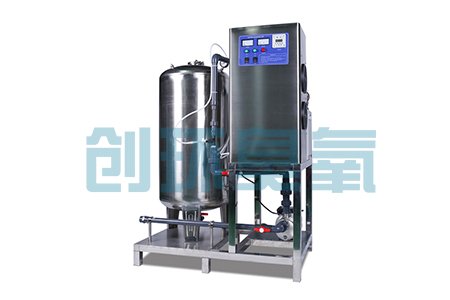
By upgrading to an advanced oxidation system, facility managers can solve multiple operational headaches simultaneously. Ozone for water treatment completely eliminates the chemical odors associated with traditional pools, provides incredibly safe drinking water, and protects expensive plumbing infrastructure from scale and biofilm.
In this comprehensive guide, we will break down exactly how this technology works, why it outperforms traditional chlorine, and how you can implement it across your property to achieve an immediate return on investment.
Why Traditional Chlorine Systems Are Failing the Hospitality Industry
For decades, the hospitality industry has relied on liquid and granular chlorine as the standard for water sanitation. However, modern facilities are realizing that chemical-heavy treatments create just as many problems as they solve. Chlorine is notoriously slow-acting against certain resilient pathogens like Cryptosporidium.
Furthermore, when chlorine interacts with organic matter (like sweat and lotions from swimmers), it creates harmful byproducts called chloramines. Chloramines are the actual cause of the infamous “pool smell,” red eyes, and itchy skin that guests frequently complain about. These byproducts also severely degrade indoor air quality in enclosed aquatic centers.
Beyond the guest experience, managing traditional chlorine systems is a logistical nightmare. Staff must handle, store, and transport highly toxic, corrosive chemicals. This introduces massive workplace safety liabilities and drives up operational insurance premiums. The hospitality sector desperately needs a cleaner, faster, and safer alternative.
Top 5 Benefits of Using Ozone for Water Treatment in Hospitality
Implementing an ozone generator into your property’s water loop yields immediate, measurable benefits across multiple departments. Here are the top five reasons top-tier resorts are making the switch.
1. Unmatched Purification Speed and Efficacy
Ozone is arguably the most powerful commercially available oxidant in the world. It destroys bacteria, viruses, and fungi up to 3,000 times faster than chlorine. Because it ruptures the cell walls of microorganisms instantly, pathogens have zero opportunity to develop a resistance to it.
2. Massive Reduction in Chemical Costs and Storage
While ozone does not entirely replace the need for a minimal chemical residual (often required by local health codes), it dramatically reduces it. Facilities often see up to an 80% reduction in chlorine consumption. This translates to thousands of dollars saved annually on chemical purchasing, delivery, and hazardous storage compliance.
3. The Ultimate 5-Star Guest Experience
Luxury is defined by the details, and water quality is a massive detail. Guests notice when pool water feels soft, looks crystal clear, and lacks the abrasive smell of bleach. Ozone micro-flocculates organic matter, meaning it clumps tiny particles together so your filtration system can easily trap them, resulting in visually stunning, diamond-clear water.
4. Eco-Friendly and Sustainable Operations
Sustainability is no longer a buzzword; it is an expectation from modern travelers. Ozone is generated on-site using ambient air and electricity. Once it does its sanitizing job, it naturally reverts back to pure oxygen, leaving zero harmful chemical residues or toxic byproducts in the environment.
5. Eradication of Biofilm and Legionella Risks
Legionnaires’ disease is a catastrophic liability for any hotel. Legionella bacteria thrive in the protective layers of biofilm found in warm water systems and cooling towers. Ozone aggressively penetrates and destroys biofilm, eliminating the breeding grounds for these deadly bacteria and keeping your facility safe from legal and reputational ruin.
Key Applications for Ozone in Resorts
The beauty of ozone water treatment in hotels and resorts is its incredible versatility. A single property can leverage this technology across several critical operational zones.
Swimming Pools, Spas, and Aquatic Features
This is the most popular application for ozone technology. High-bather loads in resort pools introduce massive amounts of contaminants daily. An ozone system continuously turns over the water, destroying chloramines and ensuring that indoor pool areas smell like fresh air rather than a chemical factory. Hot tubs and spas, which are notorious breeding grounds for bacteria due to high temperatures, are kept pristine and safe.
Cooling Towers and HVAC Systems
Cooling towers account for a significant portion of a hotel’s energy and water usage. Traditional chemical treatments often fail to prevent micro-biological growth, leading to reduced heat transfer efficiency. Injecting ozone into cooling tower water prevents scale buildup and biological fouling. This significantly extends the lifespan of your HVAC equipment and drastically lowers energy consumption.
Commercial Laundry Operations
Many premium hotels are adopting ozone laundry systems. By injecting dissolved ozone directly into the wash cycle, hotels can wash linens in cold water. Ozone opens up the fabric fibers, allowing dirt and oils to be released easily without the need for hot water. This slashes boiler energy costs, reduces detergent use, and extends the lifespan of luxury hotel linens by preventing chemical wear and tear.
Potable Water and Food Preparation
For resorts located in remote or tropical areas, municipal water quality can be unpredictable. Ozone is widely used to purify incoming municipal or well water, ensuring safe, odorless, and great-tasting tap water for guests. In commercial kitchens, ozonated water is used to wash produce, extending shelf life by destroying surface bacteria and mold without using chemical rinses.
How Does an Ozone Generator Work?
Understanding the technology is essential for any facility director planning an upgrade. An ozone generator is a sophisticated piece of equipment that manufactures ozone safely on-site. It eliminates the need to ever purchase or store the actual sanitizer.
The process begins by drawing in ambient air, which is then passed through an oxygen concentrator. This concentrated oxygen (O2) is fed into the generator’s reaction chamber. Inside the chamber, a high-voltage electrical discharge (known as Corona Discharge) splits the oxygen molecules apart.
These free oxygen atoms instantly bond with other whole oxygen molecules, creating O3 (Ozone). This highly reactive gas is then safely injected and dissolved into the facility’s water lines using a specialized venturi injector. Once dissolved, the ozone for water treatment goes to work, aggressively oxidizing any contaminants in its path before quickly decaying back into breathable, safe oxygen.
Hypothetical Case Study: The Grand Oasis Resort
To truly understand the financial impact, let’s look at a realistic scenario based on industry averages. The Grand Oasis, a 400-room luxury resort, was spending $2,500 monthly on liquid chlorine and acid for their three main pools and spa. Guests frequently left negative reviews about the overwhelming chlorine smell in the indoor pool area.
The resort’s chief engineer authorized the installation of a commercial-grade Corona Discharge ozone system. The total cost of equipment and installation was $18,000.
Within the first month, chemical consumption dropped by 75%. The indoor air quality issues vanished immediately, and pool maintenance hours were cut in half. By saving nearly $1,800 a month in chemicals and labor, the resort achieved a complete return on investment (ROI) in just 10 months. Furthermore, guest satisfaction scores regarding the pool facilities increased by 40%.
Implementation: Steps to Upgrade Your Facility
Transitioning to an advanced oxidation system requires careful planning. You cannot simply buy a unit off the shelf and plug it in; it requires professional sizing and integration.
• Step 1: Conduct a Comprehensive Site Audit. A water treatment specialist must evaluate your current pump room, flow rates, bather loads, and total water volume. They will determine exactly how many grams per hour (g/h) of ozone your facility requires.
• Step 2: Custom System Sizing. Undersized systems will fail to oxidize contaminants properly, while oversized systems waste energy. Ensure your engineering partner specifies a system with an automated ORP (Oxidation-Reduction Potential) controller to perfectly manage dosing.
• Step 3: Professional Installation. The system must be installed with proper off-gassing valves and destruct units to ensure no free ozone gas escapes into the pump room. Safety monitors should also be installed to comply with OSHA standards.
• Step 4: Staff Training. While these systems are highly automated, your maintenance staff needs to understand how to read the new digital monitors, calibrate the ORP sensors, and perform routine preventative maintenance on the generator cells.
Calculating the ROI for Hotel Managers
Capital expenditure (CapEx) approvals are notoriously strict in the hospitality sector. Fortunately, the business case for ozone is incredibly strong. When pitching this to your financial controller, focus on both hard and soft cost savings.
Hard savings are easy to calculate. Tally up your annual spend on chlorine, pH balancers, clarifiers, and shock treatments. Factor in the reduction in water usage, as ozone-treated pools require significantly fewer backwashes. Also, calculate the energy savings if you are applying the technology to your cooling towers or laundry facility.
Soft savings are harder to put an exact number on but are equally vital. Consider the reduction in liability insurance by removing toxic chemical storage. Factor in the extended lifespan of pool tiles, grout, and metal railings that are no longer subjected to highly corrosive chloramine off-gassing. Most importantly, consider the value of positive guest reviews and repeat bookings driven by pristine facilities.
Frequently Asked Questions (FAQ)
Is ozone safe for hotel guests and staff?
Yes, absolutely. When properly installed and dissolved into water, ozone is entirely safe for human contact. In fact, it provides a much healthier swimming environment than chlorinated water. Any residual ozone gas that does not dissolve is safely captured and destroyed by the system’s off-gas destruct unit before it can enter the open air.
Can ozone completely replace chlorine in a hotel pool?
In most commercial settings, no. While ozone does the heavy lifting by oxidizing 99% of contaminants, local health departments usually require a very small, measurable residual of a chemical sanitizer (like chlorine or bromine) to remain in the bulk water. However, ozone allows you to maintain this residual at the absolute legal minimum, often just 0.5 to 1.0 ppm.
How long does an ozone generator last?
With proper routine maintenance, a commercial-grade corona discharge generator can easily last 10 to 15 years. The internal dielectric tubes (where the electrical arc occurs) generally need to be cleaned annually and replaced every 3 to 5 years, depending on usage and air prep quality.
Does installing an ozone system require a pool shutdown?
Typically, installation is very minimally invasive. Because the injection manifold is plumbed into the existing return lines via a bypass loop, the actual downtime for the pool circulation system is often just a few hours. The bulk of the installation happens while the pool remains fully operational.
Conclusion & Next Steps
Relying on outdated, chemical-only water sanitation is a fast track to escalating costs, compromised safety, and disappointed guests. Upgrading to ozone water treatment in hotels and resorts represents a vital leap forward in hospitality facility management. By leveraging the immense power of nature’s ultimate oxidizer, you can protect your infrastructure, safeguard your guests against pathogens like Legionella, and align your property with modern sustainability goals.
The technology pays for itself through drastic reductions in chemical usage, water conservation, and lowered energy bills. If you are tired of battling chloramines and managing toxic chemical inventories, the time to upgrade is now.
Ready to transform your property’s water systems? Contact a commercial water treatment specialist today to request a comprehensive site audit and discover exactly how much money a custom ozone system can save your resort this year.