When choosing between Ozone vs. Chlorine in water treatment, the primary factor is balancing pathogen kill speed against residual protection. Ozone is a significantly more powerful oxidant, capable of neutralizing bacteria and viruses up to 3,000 times faster than chlorine without leaving a chemical taste. However, chlorine remains the industry standard for municipal distribution because it provides a lasting “residual” that keeps water safe as it travels through miles of pipes.
By the end of this guide, you will understand the chemical mechanics, cost structures, and safety profiles of both methods, allowing you to choose the right system for your home, pool, or industrial facility.
Understanding the Basics: How They Work
To compare these two titans of water treatment, we must first understand their chemical “modes of action.”
What is Chlorine Disinfection?
Chlorine has been the backbone of global water treatment since the early 20th century. When added to water, it forms hypochlorous acid, which penetrates the cell walls of microorganisms and disrupts their life processes. Its greatest strength is its stability; it stays in the water long after the initial application.
What is Ozone Disinfection?
Ozone (O3) is an unstable gas comprised of three oxygen atoms. It is created on-site by passing oxygen through a high-voltage discharge. Because it is highly reactive, it destroys organic matter and pathogens through direct oxidation or by producing hydroxyl radicals. Once the process is complete, ozone reverts back into pure oxygen (O2), leaving nothing behind.
Effectiveness Against Pathogens
When it comes to raw “killing power,” the contest is not particularly close.
Inactivating Tough Parasites
One of the biggest drivers toward ozone adoption is the rise of chlorine-resistant pathogens. Cryptosporidium and Giardia are protozoa that form hard cysts, making them nearly immune to standard chlorine concentrations.
• Ozone: Inactivates 99.9% of Cryptosporidium in seconds.
• Chlorine: Would require hours of contact time at levels that would make the water undrinkable to achieve the same result.
Virus and Bacteria Inactivation
Ozone has a higher Oxidation-Reduction Potential (ORP) than chlorine. While chlorine is effective against most common bacteria like E. coli, ozone targets a wider spectrum of viruses and spores that may survive a traditional chlorination cycle.
The Problem with Disinfection Byproducts (DBPs)
One of the most critical reasons for the shift toward ozone is the health impact of Disinfection Byproducts.
When chlorine reacts with organic matter (like decaying leaves or soil in raw water), it creates harmful compounds known as Trihalomethanes (THMs) and Haloacetic Acids (HAAs). These are classified as potential carcinogens and are strictly regulated by the EPA and UK Drinking Water Inspectorate.
Ozone produces virtually no halogenated DBPs. Because it is an oxygen-based process, it does not create THMs. However, if the source water contains high levels of bromide, ozone can create bromate, which must be monitored. For the average user, ozone provides a much “cleaner” chemical profile.
Maintenance and Operational Costs
The financial decision between Ozone vs. Chlorine often comes down to Upfront Capital (CAPEX) vs. Ongoing Operating Expenses (OPEX).
Chlorine: Low Entry, Constant Cost
Chlorine systems are inexpensive to install. A simple injection pump and a plastic tank are often all that is required. However, you are “renting” your water quality. You must constantly purchase, transport, and store hazardous chlorine liquid or tablets.
Ozone: High Entry, Low Variable Cost
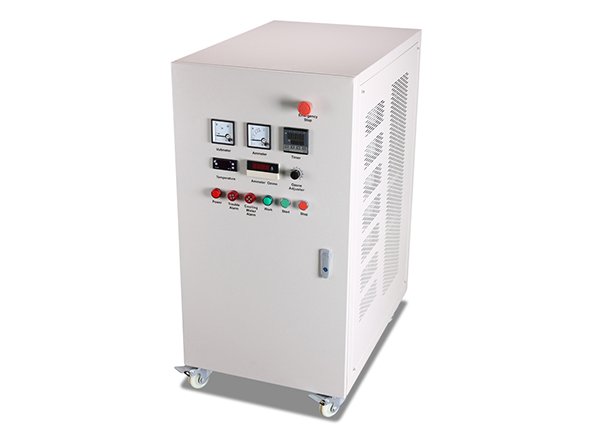
Ozone systems require a significant initial investment. You need an ozone generator, an air dryer, and a contact tank. However, because ozone is generated from the surrounding air, there are no chemicals to buy. Your only ongoing cost is the electricity required to run the generator.
Case Study: Residential Well Water Treatment
Imagine a homeowner in a rural area dealing with Iron, Manganese, and a “rotten egg” sulfur smell.
• The Chlorine Solution: The homeowner installs a chlorine feeder. The water is disinfected, but it now smells like a public swimming pool. They must also install a large carbon filter to remove the chlorine taste before drinking. They spend $50/month on chlorine supplies.
• The Ozone Solution: The homeowner installs an all-in-one ozone generator for water treatment. The ozone instantly oxidizes the iron and sulfur into solids that are filtered out. The water tastes crisp and bottled-quality. After the $2,500 installation, their only cost is roughly $5/month in electricity.
In this scenario, the ozone system pays for itself within four years while providing superior water quality.
Pros and Cons Comparison
Chlorine Pros
• Residual Protection: The only method that protects water from the plant to the tap.
• Affordability: Lowest initial setup cost.
• Simplicity: Easy to measure and monitor with simple test strips.
Chlorine Cons
• Taste and Odor: Leaves a distinct chemical “bleach” profile.
• Safety Hazards: Handling concentrated chlorine is dangerous for skin and lungs.
• DBPs: Creates carcinogenic byproducts.
Ozone Pros
• Superior Taste: Water is oxygenated and tastes remarkably fresh.
• Power: Faster inactivation of viruses and cysts.
• No Chemicals: No need to store or handle toxic substances.
Ozone Cons
• No Residual: Once the ozone turns back to oxygen, the water is susceptible to re-contamination.
• Complexity: Requires mechanical equipment that needs occasional technical maintenance.
• Power Dependent: If the electricity goes out, the disinfection stops.
Which Should You Choose?
The “winner” depends entirely on your specific application:
• For Municipalities: A combination is best. Ozone is used at the plant for primary disinfection and micro-pollutant removal, while a small dose of chlorine is added for “secondary disinfection” to protect the pipes.
• For Private Wells: Ozone is often the superior choice because it handles iron, sulfur, and bacteria in one step without the need for chemical deliveries.
• For Swimming Pools: Ozone significantly reduces “red eye” and skin irritation by breaking down chloramines, allowing you to use 80% less chlorine.
FAQ: Frequently Asked Questions
Is ozone safer than chlorine for drinking water?
Yes, in terms of chemical ingestion. Ozone leaves no harmful chemical residues or “bleach” taste in the water. However, ozone gas itself is toxic if inhaled, so systems must be properly vented and installed by professionals.
Does ozone kill everything that chlorine kills?
Ozone kills everything chlorine kills, and it does so faster. It is also effective against chlorine-resistant pathogens like Cryptosporidium. However, it does not provide long-lasting protection once the water enters a storage tank or plumbing system.
Can I use ozone and chlorine together?
Absolutely. This is known as an “Advanced Oxidation Process” or “Dual Disinfection.” Many high-end pools and modern city water plants use ozone to do the “heavy lifting” of disinfection, using only a tiny amount of chlorine to maintain a safety residual.
Conclusion: Making the Final Choice
When comparing Ozone vs. Chlorine, the choice boils down to a trade-off between convenience and quality. If you are on a tight budget and need a simple setup, chlorine is a proven, reliable workhorse.
However, if you prioritize water taste, health safety (avoiding DBPs), and the ability to kill tough parasites, ozone is the gold standard of modern water treatment. For the best results in residential settings, look for an ozone system paired with a high-quality sediment filter to enjoy the cleanest, freshest water possible.
Ready to upgrade your water quality? Contact a local water treatment specialist today to test your water parameters and see if an ozone system is right for your home.