When choosing between Ozone vs UV water treatment, the primary difference lies in their mechanism of action: Ozone is a chemical oxidant that physically destroys organic matter and minerals, while UV is a physical disinfectant that uses light to scramble the DNA of microorganisms. If you need to remove odors, colors, or heavy metals, Ozone is the superior choice; however, if your goal is simple, low-maintenance bacterial protection without changing the water chemistry, UV treatment is the industry standard.
This guide provides a deep-dive analysis into both technologies to help you determine which system integrates best with your specific water profile, whether for a residential well, a commercial brewery, or an industrial cooling tower.
Understanding Ozone Water Treatment: The Power of Oxidation
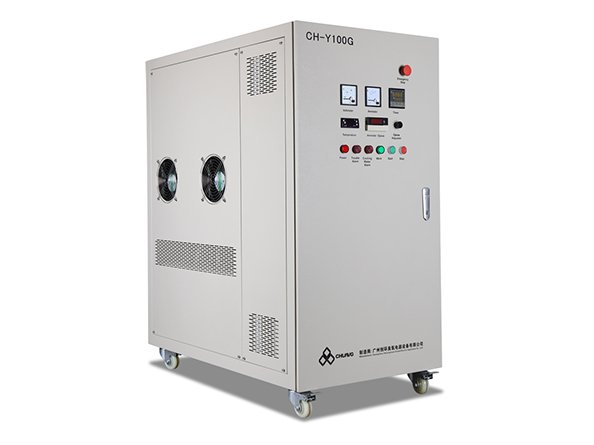
Ozone (O3) is a highly reactive gas composed of three oxygen atoms. In water treatment, an ozone generator creates this gas (usually via corona discharge) and injects it into the water supply. Because ozone is an unstable molecule, it seeks to shed its third oxygen atom, a process known as oxidation.
How Ozone Works
When ozone molecules come into contact with contaminants, they “explode” on a molecular level. This process doesn’t just neutralize bacteria; it physically breaks down the cellular walls of pathogens. Furthermore, ozone reacts with dissolved minerals like iron, manganese, and sulfur, turning them into solid particulates that can be easily filtered out.
Advantages of Ozone
• Broad-Spectrum Decontamination: Ozone is one of the most powerful oxidizers available, significantly more potent than chlorine.
• Aesthetic Improvement: It is remarkably effective at removing the “rotten egg” smell (hydrogen sulfide) and improving the taste and clarity of water.
• Microbial Kill Rate: It inactivates viruses, bacteria, and cysts like Giardia and Cryptosporidium faster than almost any other method.
Understanding UV Water Treatment: The Power of Light
Ultraviolet (UV) water treatment is a non-chemical process that uses specific wavelengths of light (usually 254 nanometers) to achieve microbial inactivation. As water passes through a stainless steel chamber containing a UV lamp, the DNA of any living organism is damaged.
How UV Works
The UV light penetrates the cell wall of microorganisms and permanently alters their genetic material. While the bacteria or virus may still be physically present in the water, it is “biologically dead” because it can no longer replicate or cause infection.
Advantages of UV
• Simple Maintenance: UV systems have no moving parts and generally only require an annual lamp change.
• No Byproducts: Unlike chlorine or ozone, UV does not add anything to the water or create harmful disinfection byproducts.
• Cost-Effectiveness: UV systems generally have a lower initial capital cost and lower energy consumption than ozone generators.
Direct Comparison: Ozone vs UV Performance
To truly understand which system wins the Ozone vs UV water treatment debate, we must look at specific performance metrics.
| Feature | Ozone Treatment | UV Treatment |
|---|---|---|
| Primary Function | Oxidation and Disinfection | Disinfection Only |
| Pathogen Kill | Extremely High | High (Requires clear water) |
| Odour Removal | Excellent (Sulfur/Manganese) | None |
| Mineral Removal | Yes (via oxidation/filtration) | No |
| Residual Effect | Short-lived residual | None |
| Maintenance | High (Complex parts) | Low (Lamp change) |
Effectiveness Against Microorganisms
Both systems are exceptional at handling bacteria. However, Ozone has a slight edge in industrial applications because it is less affected by “shadowing.” In UV systems, if the water is turbid (cloudy), microbes can “hide” behind suspended particles and escape the light. Ozone, being a gas dissolved in the water, permeates the entire volume regardless of minor turbidity.
Impact on Water Chemistry
If your water has a high iron content or smells like sulfur, UV will not help you. UV light does not interact with minerals. Ozone, conversely, is the gold standard for well water treatment because it precipitates these minerals, allowing a secondary sediment filter to catch them.
Maintenance and Operational Costs
The “total cost of ownership” is a significant factor in the Ozone vs UV decision.
Ozone Maintenance
Ozone systems are complex. They require an air dryer, an ozone generator, an injector, and a contact tank. Over time, the corona discharge cells can foul, and the check valves may need replacement. You can expect to perform quarterly inspections and annual component servicing.
UV Maintenance
UV systems are the “set it and forget it” solution. The quartz sleeve (which protects the lamp) needs to be wiped down periodically to ensure light transparency. The UV lamp itself loses intensity over time and must be replaced every 9,000 hours (approximately once per year).
Real-World Case Study: Residential Well Water
The Scenario: A homeowner in a rural area finds that their well water has a faint yellow tint and a slight metallic taste. Lab tests show the presence of coliform bacteria and 2.0 ppm of iron.
The Solution (Ozone): If this homeowner installs a UV system, the iron will likely “bake” onto the UV sleeve, blocking the light and rendering the system useless within weeks. Instead, the homeowner installs an Ozone system. The ozone oxidizes the iron into rust particles, which are then caught by a backwashing filter. The water exits the system crystal clear, bacteria-free, and tasting fresh.
Real-World Case Study: Commercial Food Processing
The Scenario: A boutique soda manufacturer needs to ensure the rinse water for their bottles is sterile. The incoming municipal water is already clear and low in minerals.
The Solution (UV): Because the water quality is already high (low turbidity), an Industrial UV system is the most logical choice. It provides a final “kill step” for any roaming bacteria without altering the flavor profile of the water, which is critical for beverage consistency. The low operational cost of the UV system keeps the manufacturer’s overhead down.
Integration: Can You Use Both?
In high-stakes environments like pharmaceutical manufacturing or public aquariums, engineers often use Advanced Oxidation Processes (AOP), which combine Ozone and UV. When UV light hits ozone-saturated water, it creates hydroxyl radicals—the most powerful oxidants used in water treatment. This combination can destroy complex pharmaceutical residues and micro-pollutants that neither system could handle alone.
How to Choose: A Decision Matrix
To settle the Ozone vs UV water treatment dilemma for your property, ask yourself these three questions:
• Is your water cloudy or high in minerals?
• If yes, you need Ozone (or significant pre-filtration before a UV system).
• Is your primary goal strictly bacterial protection?
• If yes, UV is the most cost-effective and simplest path.
• Are you trying to remove a specific smell?
• If yes, Ozone is the only one of the two that will chemically neutralize odors.
FAQ: Frequently Asked Questions
Is ozone water safer than UV-treated water?
Both are incredibly safe and environmentally friendly compared to chemical treatments like chlorine. Ozone leaves a very short-lived oxygen residual that actually improves the “freshness” of the water, while UV leaves nothing behind. Neither process creates the carcinogenic byproducts associated with chlorine.
Does UV light remove lead or chemicals?
No. UV light only affects living organisms (DNA). To remove lead, heavy metals, or man-made chemicals like PFAS, you would need to combine UV with activated carbon or reverse osmosis. Ozone can help with some chemical breakdown, but it is also not a primary solution for lead.
Can I install an Ozone or UV system myself?
UV systems are relatively DIY-friendly for those with basic plumbing skills. Ozone systems, however, involve gas injection and pressure management, making them significantly more complex. We generally recommend professional installation for all Ozone generators to ensure proper venting of excess gas.
Which system lasts longer?
The housing for both systems can last decades. However, the internal components of a UV system (the lamp and ballast) are easier and cheaper to replace than the electronic components and corona cells found in a high-end ozone generator.
Conclusion: Making the Final Choice
In the battle of Ozone vs UV water treatment, there is no single “winner”—only the right tool for the job. UV treatment is the king of simplicity, offering a reliable, low-cost barrier against pathogens for clear water. Ozone treatment is the powerhouse of purification, tackling bacteria, minerals, and odors in a single, albeit more complex, step.
Before purchasing, always perform a comprehensive water laboratory test. If your water shows high levels of iron, sulfur, or tannins, invest in an Ozone system. If your water is clear but carries a microbial risk, a UV system will serve you faithfully for years to come.