The appeal of swimming in a pool with crystal-clear water and no harsh “chlorine smell” has led to a surge in the popularity of pool ozone generators. However, when evaluating sanitation systems, a critical question remains: Are pool ozone generators actually safe?
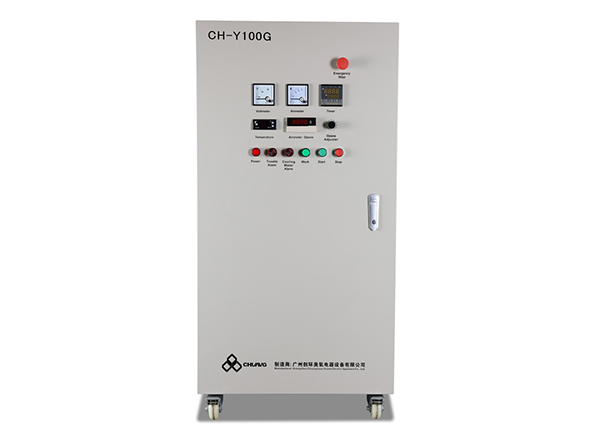
Many competitor blogs and marketing brochures vaguely state that ozone is “harsh but safe when used right.” They rarely provide the exact air concentration limits, biological kill rates, or specific electrical and plumbing codes required to prevent toxic exposure. In this guide, we will break down the precise, quantifiable risks, safety limits, and engineering controls based on standards from OSHA, the CDC, and ASHRAE to help you safely manage an ozone system.
Health, Exposure Limits, and Acute/Chronic Risks
Ozone (O3) is a highly reactive, unstable gas. When dissolved in water, it is safe for swimmers. However, when ozone escapes into the ambient air (a process called “off-gassing”), it poses severe inhalation risks.
Acute and Chronic Health Risks:
Breathing ozone gas causes acute respiratory inflammation. Symptoms include chest pain, coughing, throat irritation, and shortness of breath. For vulnerable populations—such as children, the elderly, and individuals with asthma or COPD—even minor off-gassing can trigger severe asthma exacerbations. While long-term, low-dose epidemiological data specifically for pool environments is still developing, the acute toxicity of ozone is undisputed.
Authoritative Exposure Limits:
To determine safety, you must look at the legal and recommended exposure limits established by US authorities:
• OSHA (Occupational Safety and Health Administration): The Permissible Exposure Limit (PEL) for pool staff and workers is 0.1 ppm (parts per million) over an 8-hour time-weighted average.
• NIOSH (National Institute for Occupational Safety and Health): Recommends an exposure limit (REL) of 0.1 ppm and strictly states that levels of 5.0 ppm are Immediately Dangerous to Life or Health (IDLH).
• ACGIH (American Conference of Governmental Industrial Hygienists): Recommends even stricter Threshold Limit Values (TLVs) ranging from 0.05 to 0.1 ppm, depending on the physical exertion level of the individuals (e.g., active swimmers breathing heavily should be kept below 0.05 ppm).
• CDC Model Aquatic Health Code (MAHC): Mandates that ozone systems must be installed with fail-safes so that ambient ozone levels in the pool facility never exceed these limits.
The Verdict: Ozone is safe only if the system ensures zero gas escapes into the breathing zone. Asthmatics and young children should be monitored closely in indoor facilities utilizing ozone.
Disinfection Effectiveness, Chemical Interactions, and Byproduct Formation
Ozone is arguably the most powerful oxidizer available for pools, but it is not a standalone solution.
Microbial Efficacy:
Ozone rapidly destroys bacterial cell walls and neutralizes viruses. For highly chlorine-resistant protozoa like Cryptosporidium, standard pool chlorine requires a CT value (Concentration × Time) of over 15,300 to achieve a 3-log (99.9%) kill rate. Ozone requires a CT of only 1.0 to 2.5 ppm·min. However, because ozone has a half-life of mere minutes and leaves zero residual in the bulk pool water, a persistent sanitizer (like 1.0–2.0 ppm of free chlorine) is still legally and biologically required to protect bathers from cross-contamination.
Byproduct Risks: The Bromate Issue
A major gap in most safety guides is the danger of bromate formation. If your source water contains natural bromide ions, or if you use bromine as your primary sanitizer, ozone will oxidize the bromide into bromate (BrO3). Bromate is a regulated, suspected human carcinogen. The US EPA limits bromate in drinking water to 10 ppb (parts per billion).
• Mitigation: Never use ozone with a bromine pool. Test your source water for bromide before installing ozone. Maintain optimal pH (7.2–7.6) and strictly control the ozone dosage to minimize bromate synthesis.
Chemical Incompatibilities:
Ozone is strictly incompatible with PHMB (Biguanide) systems, commonly sold under the brand Baquacil. Mixing the two will turn your pool water into a cloudy, gummy mess.
• Testing limitation: Many operators rely on ORP (Oxidation-Reduction Potential) meters. While ORP indicates overall water oxidation, it cannot differentiate between chlorine and ozone. To test dissolved ozone specifically, you must use a DPD or Indigo Colorimetric test kit designed for ozone, ensuring dissolved ozone leaving the return jets is virtually undetectable (<0.1 mg/L).
Indoor Pool Ventilation, Monitoring, and Detection Strategies
For outdoor pools, off-gassed ozone rapidly dissipates into the atmosphere. For indoor pools, improper ventilation can turn an ozone system into a deadly hazard.
Ventilation and HVAC Engineering:
The CDC MAHC and ASHRAE Standard 62.1 dictate indoor air quality standards. Indoor pool rooms must maintain negative pressure relative to the rest of the building to prevent chemical air from leaking into living or office spaces.
• Airflow: The system should provide 4 to 8 air changes per hour (ACH).
• Exhaust Placement: Ozone is heavier than oxygen but can be carried by drafts. Exhaust grilles should be positioned to capture air efficiently near the water surface and equipment pad, combined with an energy recovery ventilator (ERV) for efficiency.
Detection and Monitoring Strategies:
You cannot rely on the “smell test” (ozone smells like a post-lightning thunderstorm). Olfactory fatigue sets in quickly.
• Air Sensors: Install fixed UV absorption or electrochemical ozone sensors in the equipment room and the pool enclosure breathing zone (approx. 3-5 feet off the floor).
• Integration and Alarms: These sensors must be hardwired into the ozone generator’s power relay. Set a “Warning Alarm” at 0.05 ppm and an “Automatic Shutdown” threshold at 0.1 ppm.
• Water Sensors: Amperometric dissolved ozone probes should be installed inline after the contact tank to ensure the thermal or catalytic destruct unit is removing the gas before water re-enters the pool.
• Maintenance: Sensors drift over time. They require professional calibration every 6 to 12 months. Keep a logged maintenance binder to satisfy health department inspections.
Installation, Electrical Safety, Grounding, and Emergency Response
The physical installation of an ozone unit introduces significant plumbing and electrical risks. Never treat this as a simple DIY project.
Plumbing and Electrical Safety:
• Injection and Destruct: Ozone must be injected using a venturi manifold after the heater. Crucially, a contact tank must be used to allow the CT value to accumulate, followed by a de-gas valve and destruct unit to neutralize remaining gas.
• Check Valves: You must use ozone-resistant (Teflon/Kynar) check valves between the injector and the generator. If a valve fails, corrosive pool water will back up into the high-voltage CD cell, causing a catastrophic short.
• Electrical (NEC Compliance): Under the US National Electrical Code (NEC) Section 680, all pool equipment must be properly grounded and bonded. The ozone generator must be plugged into a GFCI-protected, dedicated 120V or 240V circuit and mechanically interlocked with the pool pump. If the pump stops, the generator must instantly lose power.
Emergency Response Protocol:
Competitor guides rarely tell you what to do when things go wrong. If an ozone line ruptures or the pool room begins heavily off-gassing:
• Immediate Shutdown: Hit the emergency stop (E-stop) for the ozone generator from a remote switch, if possible.
• Ventilate: Manually override the HVAC to 100% exhaust/fresh air intake. Open all exterior doors and windows.
• Evacuate: Clear all swimmers and non-essential personnel from the facility.
• Confirm and Measure: Only trained staff wearing proper PPE (if levels are suspected to be extremely high) should re-enter using a portable, calibrated electrochemical ozone detector.
• Clearance: Do not resume operations until ambient air reads consistently below 0.05 ppm for at least one full hour. Notify your local health department if required by municipal codes.
Costs, Maintenance, Lifespan, and Suitability for Residential Pools
Is an ozone system worth the investment? Let’s break down the quantifiable lifecycle costs.
Cost Breakdown (Typical 20,000-Gallon Pool):
• Upfront Cost: $1,000 to $2,500 for the generator, venturi manifold, and installation. Indoor pools require an extra $500–$1,000 for off-gas destruct units and ambient sensors.
• Maintenance & Parts: $150 to $300 annually. Corona Discharge (CD) cells or UV-ozone lamps degrade and must be replaced every 18 to 24 months. Teflon tubing and check valves should be replaced annually to prevent water backup.
• ROI / Chemical Savings: Because ozone handles up to 70% of the oxidation workload, chlorine consumption drops drastically. A residential pool can save $300–$500 a year in chlorine and shock, creating an ROI of 3 to 5 years.
Suitability for Residential Pools:
• Buy it if: You have an outdoor pool, suffer from severe chloramine sensitivity (red eyes, skin irritation), or want to reduce chemical usage. It is highly recommended for high-end residential setups paired with a low-output salt cell.
• Skip it if: You have an indoor pool but no budget for automated air sensors and commercial-grade HVAC ventilation, or if your source water tests high for bromide. Homeowners who ignore weekly maintenance schedules should avoid ozone, as a failed check valve or degraded CD cell renders the system useless without the owner noticing.
—
Ready to Upgrade Safely? Next Steps
Ozone is a phenomenal tool for water clarity and pathogen control, provided the engineering and safety parameters are respected. Don’t guess with your family’s or your patrons’ health.
Protect Your Pool and Your Swimmers:
Contact us today! Fill out the form below with your pool size, indoor/outdoor status, and current sanitation setup. Let’s build a system that is perfectly safe, code-compliant, and crystal clear.
—
FAQ
What exactly is pool ozone and how does an ozone generator work in a pool system?
Ozone (O3) is an unstable gas and a powerful oxidizer. A pool ozone generator creates ozone by passing oxygen through a high-voltage electrical field (Corona Discharge) or specific UV light. The gas is then injected into the pool plumbing via a venturi injector, where it rapidly destroys bacteria and organic waste before reverting to normal oxygen.
Is a pool ozone system worth the cost for a residential pool in the United States?
Yes, particularly for outdoor pools. While upfront costs range from $1,000 to $2,500, ozone drastically reduces the amount of chlorine required (up to 70% savings) and completely eliminates harsh chloramine odors and eye irritation. The chemical savings typically provide an ROI within 3 to 5 years.
Are ozone generators more toxic than chlorine for swimmers and pool staff?
Dissolved in water, ozone is entirely safe for swimmers. However, in gas form, ozone is significantly more toxic to inhale than standard chlorine vapor. Exposure to ambient ozone gas causes severe respiratory distress, which is why proper ventilation and destruct units are mandatory.
What are the safe ozone exposure limits for swimmers and for pool maintenance staff, and where do those numbers come from?
OSHA and NIOSH set the permissible exposure limit for workers at 0.1 ppm (8-hour time-weighted average). For active swimmers, ACGIH recommends an even lower limit of 0.05 ppm due to heavy breathing. Any exposure above these limits requires immediate ventilation and evacuation.
How do I measure ozone levels in pool water and in the air above an indoor pool, and what sensors or tests should I use?
For the air, you must use calibrated electrochemical or UV absorption ozone sensors hardwired to trigger alarms at 0.05 ppm. For the water, standard ORP meters are not specific enough; you must use a DPD or Indigo Colorimetric reagent test designed specifically to measure dissolved ozone.
What immediate steps should pool operators or homeowners take if an ozone system leaks or the pool room begins to off-gas?
Immediately shut down power to the ozone generator (ideally via an external E-stop). Override the HVAC system to bring in 100% fresh exhaust air, open all doors, and evacuate everyone from the room. Do not re-enter without proper PPE or until a portable sensor confirms the air is below 0.05 ppm.