The primary benefits of ozone in water treatment include its ability to oxidize organic contaminants, eliminate odors, and neutralize pathogens—including chlorine-resistant viruses—up to 3,000 times faster than traditional chlorine. Unlike chemical additives, ozone (O3) is an unstable gas that rapidly reverts to pure oxygen (O2), leaving behind no harmful chemical residuals or disinfection byproducts (DBPs). This makes it the premier choice for municipal, industrial, and high-end residential water purification systems seeking the highest standard of purity.
Whether you are managing a municipal plant or looking for advanced home filtration, understanding how ozone transforms water quality is essential. This guide explores the mechanical advantages, safety benefits, and efficiency gains of integrating ozone technology into your water management strategy.
What is Ozone Water Treatment?
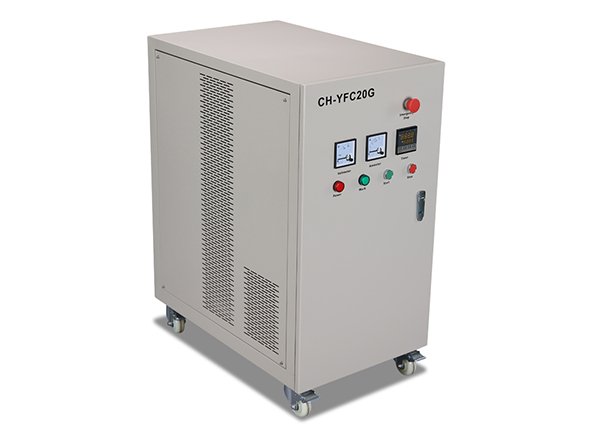
Ozone is a triatomic molecule consisting of three oxygen atoms. In nature, it is created via lightning or ultraviolet light. In water treatment, an ozone generator creates this gas by passing dry air or pure oxygen through a high-voltage corona discharge.
When injected into water, ozone acts as a powerful oxidant. It possesses a higher oxidation potential than chlorine, chlorine dioxide, or chloramines. This allows it to rupture the cell walls of bacteria and viruses on contact, a process known as cell lysing. Because it is generated on-site, there is no need to transport or store hazardous chemicals, significantly improving facility safety.
1. Unmatched Disinfection Efficiency
The most significant benefit of ozone in water treatment is its sheer biocidal power. While chlorine is a common standard, it has notable “blind spots” in its efficacy.
Neutralizing Chlorine-Resistant Pathogens
Certain protozoa, such as **Cryptosporidium and Giardia**, have developed thick outer shells that make them nearly immune to standard chlorine levels. Ozone penetrates these shells instantly. For municipal providers, this is the primary defense against waterborne disease outbreaks that traditional systems might miss.
Rapid Inactivation Rates
Time is a critical factor in high-flow water treatment. Ozone requires a much shorter contact time (CT value) than chlorine. While chlorine may require 20 to 30 minutes of contact to ensure a specific log-reduction of bacteria, ozone can achieve the same result in seconds. This allows for smaller contact tanks and a more compact facility footprint.
2. Elimination of Disinfection Byproducts (DBPs)
When chlorine reacts with organic matter in water, it creates harmful secondary compounds known as Trihalomethanes (THMs) and Haloacetic Acids (HAAs). These DBPs are classified as potential carcinogens and are strictly regulated by the EPA and international health bodies.
Ozone solves this problem entirely. Because ozone is an oxygen-based molecule, its primary byproduct is simply dissolved oxygen. By utilizing ozone as a primary disinfectant, facilities can significantly reduce or eliminate the use of chlorine, thereby staying well below legal limits for THMs and providing a safer “finished” water product to the end consumer.
3. Removal of Emerging Contaminants and Micropollutants
Modern water sources are increasingly contaminated with “stealth” pollutants that carbon filters and chlorine cannot touch.
Pharmaceuticals and Personal Care Products (PPCPs)
Ozone is highly effective at breaking down the complex molecular structures of pharmaceutical residuals, hormones, and pesticides. As these micropollutants become a greater concern in groundwater supplies, the Advanced Oxidation Process (AOP)—which often combines ozone with UV or hydrogen peroxide—has become the gold standard for removing these stubborn compounds.
Total Organic Carbon (TOC) Reduction
High levels of organic matter can cause water to appear “tea-colored” and interfere with downstream treatment processes. Ozone breaks down these large organic molecules into smaller, biodegradable fractions that can then be easily removed by Biological Activated Carbon (BAC) filters.
4. Superior Sensory Water Quality: Taste, Odor, and Clarity
Beyond safety, the benefits of ozone in water treatment extend to the aesthetic quality of the water.
• Iron and Manganese Oxidation: These minerals cause metallic tastes and orange/black staining. Ozone oxidizes them into solid particles that can be easily filtered out.
• Hydrogen Sulfide Removal: That “rotten egg” smell common in well water is neutralized instantly by ozone.
• Micro-Flocculation: Ozone acts as a mild coagulant. It causes fine particles to clump together, which improves the performance of sand and sediment filters, resulting in water with exceptional sparkling clarity.
5. Environmental and Operational Sustainability
From an ESG (Environmental, Social, and Governance) perspective, ozone is the most sustainable choice for large-scale water treatment.
No Chemical Storage
Traditional treatment requires the bulk storage of liquid sodium hypochlorite or chlorine gas, both of which pose significant inhalation risks to staff and the surrounding community. Ozone is generated on-demand and used immediately. If a leak occurs, the ozone quickly dissipates and reverts to oxygen.
pH Neutrality
Unlike many chemical disinfectants, ozone does not significantly alter the pH of the water. This reduces the need for additional pH-adjusting chemicals like soda ash or caustic soda, simplifying the overall treatment chemistry and reducing operational costs.
Case Study: Municipal Success with Ozone Integration
In a recent upgrade of a mid-sized municipal plant (processing 10 MGD), engineers replaced pre-chlorination with an ozone-BAC (Biological Activated Carbon) process.
The Results:
• THM Levels: Dropped by 75%, moving the facility into a high-compliance tier.
• Chemical Spend: Reduced by 40% due to the elimination of expensive specialty sequestering agents.
• Consumer Feedback: A 60% reduction in “taste and odor” complaints within the first 90 days.
How to Implement Ozone in Water Treatment
Implementing ozone requires a systematic approach to ensure maximum ROI and safety.
• Water Quality Analysis: Test for TOC, iron, manganese, and bromide levels. (High bromide can lead to bromate formation, which requires specific ozone dosing controls).
• Pilot Testing: Before a full-scale install, a pilot skid is used to determine the exact ozone demand and decay rate of your specific water source.
• Generator Selection: Choose between air-fed or oxygen-fed systems. Oxygen-fed systems are generally more efficient for high-flow industrial applications.
• Injection Method: Most systems use a Venturi injector to create a vacuum that pulls ozone into the water stream, followed by a static mixer for maximum mass transfer.
FAQ: Frequently Asked Questions about Ozone
Is ozone in water treatment safe?
Yes. While high concentrations of ozone gas are an irritant to the lungs, when dissolved in water, it is perfectly safe. Because ozone has a very short half-life, it reverts to oxygen before the water ever reaches your tap.
Does ozone kill 100% of bacteria?
Ozone is one of the most effective disinfectants available, achieving 99.9% (3-log) to 99.99% (4-log) inactivation of most pathogens, including viruses and cysts that chlorine cannot kill.
How does ozone compare to UV treatment?
Ozone provides both disinfection and oxidation (removing minerals and odors), whereas UV is primarily a disinfectant and does not remove physical contaminants like iron or sulfur. Many high-end systems use both for a multi-barrier approach.
Does ozone leave a residual in the water?
No. Ozone is highly reactive and breaks down quickly. While this is great for safety and taste, it means a small amount of “secondary disinfectant” (like chloramine) is still used in municipal pipes to prevent bacterial regrowth during distribution.
Conclusion: The Future of Pure Water
The benefits of ozone in water treatment are undeniable for any organization prioritizing safety, efficiency, and water quality. By moving away from heavy chemical reliance and embracing the oxidative power of O3, facilities can provide water that is not only biologically safe but also aesthetically superior and environmentally responsible.
Ready to upgrade your water quality? Consult with an environmental engineer today to explore how an ozone generation system can be integrated into your existing infrastructure for a cleaner, chemical-free future.