Ozone effectively removes organic contaminants from water through a process called oxidation. By using an ozone generator to infuse O3 into water, the extra oxygen atom attacks and breaks down the molecular bonds of pollutants like pesticides, pharmaceuticals, and industrial chemicals. This chemical-free process converts complex organic matter into harmless carbon dioxide and water.
Introduction: The Growing Challenge of Water Purity
Clean water is becoming a global priority as traditional filtration methods struggle to keep up with modern pollutants. From agricultural runoff to emerging “forever chemicals,” our water sources are increasingly compromised. You might be wondering: is there a way to neutralize these threats without adding more harsh chemicals like chlorine?
The answer lies in one of nature’s most powerful oxidizers. In this guide, we will explore how you can use ozone for water treatment to eliminate persistent organic pollutants, how the technology works, and why it is superior to conventional methods. By the end of this article, you will understand the technical mechanics of how ozone remove organic contaminants and why it is the “green” solution for high-purity water.
—
How Ozone Removes Organic Contaminants: The Science of Oxidation
To understand why ozone is so effective, we have to look at its molecular structure. Ozone (O3) is an unstable gas composed of three oxygen atoms. Because it wants to return to its stable state (O2), it readily “donates” its third atom to any organic matter it encounters.
1. Direct Oxidation
Ozone molecules directly attack the carbon-carbon double bonds found in organic contaminants. This is particularly effective for removing color, odor, and taste-causing compounds. When the ozone reacts with these bonds, it physically breaks the pollutant apart.
2. Hydroxyl Radical Formation (Advanced Oxidation)
When ozone is introduced into water with a high pH or in combination with UV light, it creates hydroxyl radicals (•OH). These are even more reactive than ozone itself. This “Advanced Oxidation Process” (AOP) is the secret weapon used to ozone remove organic contaminants that are otherwise resistant to standard treatment.
—
Common Organic Contaminants Neutralized by Ozone
Standard carbon filters and chlorine often leave behind trace amounts of synthetic organics. An ozone generator system, however, targets a much wider spectrum:
• Pesticides and Herbicides: Runoff from farms often contains atrazine and simazine. Ozone breaks these complex structures into biodegradable components.
• Pharmaceuticals: Trace amounts of antibiotics and hormones are frequently found in municipal supplies. Ozone is highly effective at neutralizing these bioactive compounds.
• Microplastics: Emerging research suggests that ozone can help degrade the surface of microplastics, making them easier to filter out.
• Volatile Organic Compounds (VOCs): Industrial solvents and fuels that contaminate groundwater are rapidly oxidized by ozone.
Pro-Tip: While ozone is a powerhouse, it works best as part of a “multi-barrier” system. Always follow ozonation with a high-quality carbon filter to remove any oxidized byproducts and quenched ozone.
—
The Role of an Ozone Generator in Modern Treatment
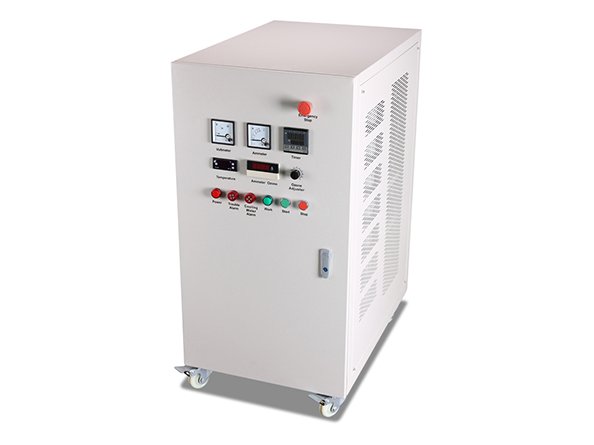
You cannot buy a tank of ozone because the gas is too unstable to store or transport. It must be created on-site. This is where an ozone generator comes into play.
Modern generators use Corona Discharge technology. This process mimics lightning by passing dry air or pure oxygen through a high-voltage electrical field. The electrical energy splits oxygen molecules (O2), which then reform into ozone (O3).
Once generated, the gas is diffused into the water through a Venturi injector or a fine-bubble diffuser. This ensures maximum “mass transfer,” allowing the ozone to come into direct contact with every organic molecule in the liquid.
—
Why Choose Ozone for Water Treatment Over Chlorine?
For decades, chlorine was the king of water treatment. However, the tide is shifting toward ozone for water treatment for several critical reasons:
No Harmful Byproducts
When chlorine reacts with organic matter, it creates Disinfection Byproducts (DBPs) like trihalomethanes (THMs), which are known carcinogens. Ozone, conversely, reverts back to pure oxygen. It leaves no chemical residue and adds no unpleasant taste or odor.
Faster Reaction Times
Ozone is significantly more powerful than chlorine. It kills bacteria and viruses—and oxidizes organic pollutants—up to 3,000 times faster than chlorine-based alternatives.
Improved Micro-Flocculation
Ozone acts as a micro-flocculant. This means it causes tiny organic particles to clump together. Once they are clumped, they become large enough to be easily captured by standard sediment filters.
—
Implementation: Industrial vs. Residential Applications
The use of ozone for water treatment isn’t limited to large-scale municipal plants. It is now scalable for various needs:
• Municipal Plants: Used to provide “log 4” inactivation of viruses and to handle seasonal spikes in organic algae blooms.
• Beverage Industry: Bottled water companies use ozone to disinfect the water and the bottle simultaneously, ensuring a long shelf life without a “chemical” taste.
• Residential Well Water: Homeowners use small-scale ozone systems to remove iron, sulfur (rotten egg smell), and tannins (organic tea-like staining).
—
Expert Insights: Maximizing Efficiency
If you are considering integrating ozone into your water process, keep these two factors in mind:
• Contact Time (CT Value): The effectiveness of ozone is a calculation of concentration multiplied by time. Even a high dose of ozone needs a few minutes of “contact time” in a tank to fully break down complex organics.
• Pre-Filtration: To help ozone remove organic contaminants more efficiently, remove large suspended solids first. This allows the ozone to focus its energy on the dissolved molecular pollutants rather than “wasting” its oxidative power on dirt or silt.
—
FAQ Section
1. Does ozone remove all organic matter?
Ozone removes the vast majority of organic contaminants, especially those with carbon-to-carbon double bonds. However, some simple organics like acetic acid may require longer contact times or Advanced Oxidation Processes (AOP) involving UV or Hydrogen Peroxide.
2. Is ozonated water safe to drink?
Yes. Ozone is FDA and EPA-approved for water treatment. Because ozone reverts to pure oxygen within minutes, it leaves the water enriched with oxygen and free of harmful chemical residues.
3. How long does the ozone stay in the water?
Ozone has a short half-life, typically 10 to 30 minutes depending on the water temperature and pH. After this time, it dissipates back into O2.
4. Can an ozone generator remove “forever chemicals” like PFAS?
Standard ozonation has limited success with PFAS because of the incredibly strong fluorine-carbon bonds. However, when an ozone generator is used in an AOP (Advanced Oxidation Process) configuration, it shows significant promise in breaking down these persistent chemicals.
5. Does ozone affect the pH of the water?
Generally, no. Ozone is pH-neutral. It does not significantly raise or lower the acidity of the water, unlike some chemical additives.
—
Conclusion: The Future of Pure Water
As our environment faces new chemical challenges, the ability of ozone to remove organic contaminants makes it an indispensable tool for the 21st century. By utilizing an ozone generator, you can achieve a level of purity that traditional filtration simply cannot match. It is fast, chemical-free, and remarkably effective at neutralizing the invisible threats in our water supply.
Are you ready to upgrade your water quality? Whether you are managing a municipal facility or looking for the best in home water safety, investing in ozone for water treatment is a step toward a cleaner, healthier future. Contact a water treatment specialist today to find the right ozone configuration for your specific needs!