Yes, an ozone generator is highly effective at removing taste and odor from water by oxidizing organic compounds and inorganic pollutants. Ozone for water treatment works by breaking down substances like geosmin, MIB, and hydrogen sulfide, which cause “earthy” or “rotten egg” smells. This process ensures a neutral, clean, and crisp water profile without leaving chemical residues.
Introduction: The Solution to Unpleasant Water
It is a common frustration: you turn on the tap, but the water smells like chlorine, sulfur, or damp earth. Even if the water is technically “safe” to drink, these sensory issues make it unappealing for consumption or cooking.
You may have tried basic carbon filters, only to find they saturate quickly and lose their effectiveness. If you are looking for a high-performance, industrial-strength solution, ozonation is the answer. In this guide, we will explore the science behind how to ozone remove taste and odor to provide your household or facility with crystal-clear, refreshing water.
—
How Ozone for Water Treatment Works
Ozone ($O_3$) is a powerful oxidizing agent, far more potent than chlorine. When ozone is injected into water, the third oxygen atom is highly unstable. It seeks out contaminants and “attacks” them through a process called oxidation.
The Oxidation Process
During oxidation, ozone breaks the chemical bonds of contaminants. For example, when using ozone for water treatment, the gas reacts with volatile organic compounds (VOCs). By altering the molecular structure of these compounds, the physical properties—specifically the smell and taste—are neutralized instantly.
Why It Surpasses Filtration
Unlike physical filters that trap particles, an ozone generator destroys the source of the problem. This means there is no “breakthrough” where trapped odors eventually leak back into the water stream.
—
Using Ozone to Remove Odor: Common Targets
One of the primary reasons municipalities and homeowners turn to ozone is its ability to tackle the most stubborn “stinky” water issues.
1. Eliminating the “Rotten Egg” Smell (Hydrogen Sulfide)
Hydrogen sulfide gas is a common issue in well water. It creates a pungent, sulfurous odor. Ozone reacts with hydrogen sulfide to create elemental sulfur, which can then be easily filtered out by a simple sediment filter.
2. Neutralizing Geosmin and MIB
Have you ever noticed an “earthy” or “musty” taste in your water? This is usually caused by Geosmin or Methyl-isoborneol (MIB), byproducts of algae and bacteria. These compounds are resistant to chlorine, but ozone remove odor byproducts like these with nearly 99% efficiency.
3. Removing Chemical and Chlorine Smells
Ironically, water treated with high levels of chlorine can smell “bleachy.” Ozone breaks down chloramines—the compounds formed when chlorine reacts with organic matter—resulting in water that smells like nothing at all.
—
How to Ozone Remove Taste: Restoring Water Quality
A “bad taste” is often the result of dissolved minerals or decaying organic matter. Ozone is the gold standard for taste restoration.
• Metallic Tastes: Ozone oxidizes dissolved iron and manganese. Once oxidized, these metals turn into solid particles that are filtered out, removing the bitter, metallic tang.
• Organic Decay: Tannins from decaying leaves can make water taste “swampy” or bitter. Ozone breaks these complex organic chains into simpler, tasteless molecules.
• Phenols: These industrial pollutants can cause a medicinal taste. Ozonation effectively destroys phenolic compounds on contact.
Expert Insight: Ozone has a very short half-life. After it performs the oxidation work, it reverts back into pure oxygen ($O_2$). This adds dissolved oxygen to your water, often giving it a “fresher” and more “alive” mouthfeel compared to flat-tasting distilled or chemically treated water.
—
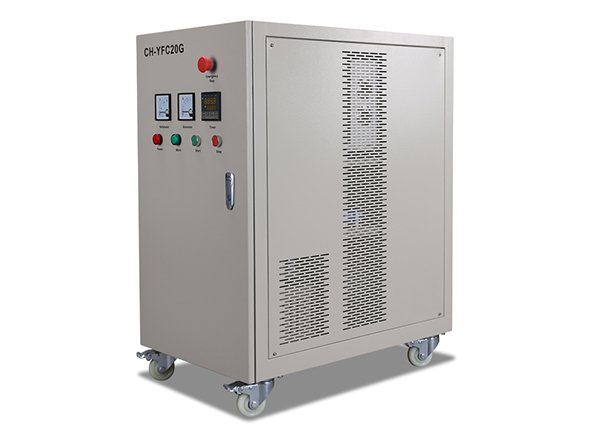
Choosing the Right Ozone Generator
To effectively treat your water, you must select an ozone generator sized correctly for your flow rate and contaminant load.
Key Components of an Ozone System:
• Oxygen Feed: High-quality systems use an oxygen concentrator to ensure pure ozone production.
• Corona Discharge Cell: This is where the ozone is actually created via electrical discharge.
• Injection Manifold: Typically a Venturi injector that draws the ozone into the water stream.
• Contact Tank: A pressurized tank where the ozone stays in contact with the water long enough to finish the oxidation process.
—
Pro-Tips for Success with Ozonation
• Pre-Filtration is Key: Always use a sediment filter before your ozone system to remove large particles. This allows the ozone to focus on dissolved odors rather than “wasting” its energy on dirt.
• Monitor Off-Gassing: Since ozone is a gas, ensure your system includes an air release valve or a “destruct” unit to safely vent excess gas outside.
• Check Your pH: Ozone works best within a pH range of 6.0 to 8.5. If your water is extremely acidic or alkaline, the reaction time may vary.
—
The Benefits of Ozonation Over Chlorine
While chlorine is cheap, it has significant drawbacks that make ozone the superior choice for taste and odor:
• No Disinfection Byproducts (DBPs): Chlorine creates trihalomethanes (THMs), which are linked to health risks. Ozone creates virtually no harmful byproducts.
• Speed: Ozone reacts 3,000 times faster than chlorine.
• Microbial Kill: Ozone is more effective at killing Cryptosporidium and Giardia, which are resistant to standard chlorine levels.
—
FAQ: Frequently Asked Questions
1. Does ozone leave a chemical taste in the water?
No. Unlike chlorine, ozone leaves no chemical residue. Because it reverts to oxygen, the water typically tastes cleaner and fresher than before treatment.
2. Is an ozone generator safe for home use?
Yes, provided it is installed with proper venting. Professional systems are designed to contain the ozone within the pipes and contact tanks, ensuring no gas escapes into your living space.
3. Can ozone remove the taste of salt from softened water?
No. Ozone does not remove dissolved salts or “hardness” minerals. It targets organic odors, gases, and metals. For salt removal, you would need Reverse Osmosis (RO).
4. How long does it take for ozone to remove odor?
The reaction is almost instantaneous. However, the water usually requires 2 to 4 minutes of “contact time” in a tank to ensure complete oxidation of complex organic compounds.
5. Does ozone for water treatment require high maintenance?
Ozone systems have fewer moving parts than many filters, but the ozone generator cell should be checked annually for mineral buildup or “nitric acid” residue to ensure peak performance.
—
Conclusion: Achieving High-Definition Water
If you are struggling with water that tastes “off” or smells like a swimming pool or a swamp, ozonation is the most robust technology available. By choosing to ozone remove taste and ozone remove odor, you are investing in a chemical-free solution that provides bottled-water quality directly from your tap.
Ready to transform your water quality? Consult with a water treatment professional today to find the perfect ozone generator for your specific needs and say goodbye to unpleasant tastes and odors forever.
[Contact our specialists today for a free water analysis!]