Yes, ozone can remove algae from water with remarkable efficiency. As a powerful oxidant, ozone destroys algae cell walls on contact, neutralizes spores to prevent regrowth, and clarifies the water. Using an ozone generator is one of the most effective, chemical-free methods for large-scale and residential algae remediation today.
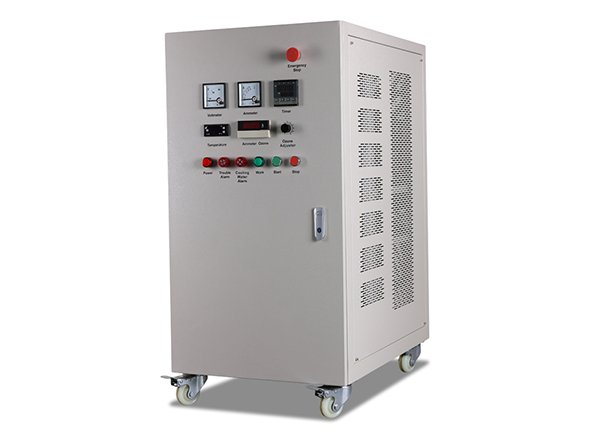
Introduction: The Battle Against Persistent Algae
Does your pond look like pea soup? Are you tired of scrubbing green film off your water features? Algae growth is more than just an aesthetic eyesore; it’s a sign of biological imbalance that can deplete oxygen levels and harm aquatic life.
If you’ve tried every chemical algaecide on the market with little success, you’re likely looking for a more permanent, sustainable solution. In this guide, we will explore why ozone for water treatment is the gold standard for clearing water, how the process works at a molecular level, and how you can implement it to achieve crystal-clear results.
—
How Does Ozone Remove Algae? The Science of Oxidation
To understand how to ozone remove algae, you must first understand what ozone ($O_3$) actually is. Ozone is a highly reactive gas composed of three oxygen atoms. Because it is unstable, it seeks to “lose” that third atom by attaching it to organic matter—like algae.
1. Cell Wall Lysis
When ozone is injected into water, it undergoes a process called lysis. The ozone molecule attacks the outer lipid membrane of the algae cell. By rupturing the cell wall, the internal components of the algae are oxidized, effectively killing the organism instantly.
2. Elimination of Algae Spores
Unlike traditional filtration which only catches live algae, an ozone generator targets the microscopic spores that cause future blooms. This proactive approach ensures that once the water is clear, it stays clear.
3. Flocculation and Clarification
Ozone acts as a micro-flocculant. It clumps together dead algae cells and other organic debris into larger particles. These larger clumps are much easier for your mechanical filtration system to trap and remove, leading to polished, high-clarity water.
—
Why Use an Ozone Generator Over Chemicals?
For decades, chlorine and copper-based algaecides were the go-to solutions. However, these come with significant drawbacks, including toxic residuals and harm to beneficial bacteria.
The Benefits of Ozone for Water Treatment:
• Zero Residue: Ozone reverts back to pure oxygen ($O_2$) within minutes. It leaves no harmful chemical footprint in the water.
• Superior Potency: Ozone is roughly 50% stronger than chlorine and acts 3,000 times faster at destroying bacteria and organic pathogens.
• Eco-Friendly: Because it enriches the water with dissolved oxygen, it actually helps fish and aerobic bacteria thrive after the algae is gone.
Pro-Tip: While ozone is highly effective, it works best as part of a “multi-barrier” approach. Always pair your ozone system with a high-quality mechanical filter to remove the neutralized organic matter.
—
Applications: Where is Algae Removal Most Critical?
Industrial and Municipal Water
In large-scale reservoirs, ozone for water treatment is used to manage cyanobacteria (blue-green algae), which can produce dangerous toxins. Ozone not only kills the algae but also breaks down these toxins, making the water safe for consumption.
Decorative Ponds and Koi Habitats
Algae can be lethal to expensive Koi by causing massive pH swings. An ozone generator ensures the ORP (Oxidation-Reduction Potential) remains at a level where algae cannot survive, while significantly increasing the water’s “sparkle.”
Commercial Swimming Pools
Reducing the “chlorine smell” is a priority for high-end facilities. By using ozone to remove algae and organic load, operators can reduce their chlorine consumption by up to 80%.
—
Critical Factors for Success: Dosage and Contact Time
Simply bubbling ozone into a tank won’t solve an algae crisis overnight. To successfully ozone remove algae, you must consider two variables:
• Concentration: The amount of ozone produced by your generator (usually measured in grams per hour).
• Contact Time: The duration the ozone stays in contact with the water. This is usually achieved via a “contact chamber” or a Venturi injector system.
Expert Insight: If your water has high “TOC” (Total Organic Carbon), the ozone will be used up attacking fish waste and decaying leaves before it ever hits the algae. Ensure you pre-filter large debris to maximize the ozone’s efficiency against the algae itself.
—
The Limitations: What Ozone Cannot Do
While ozone is a “silver bullet” for many, it is not a magic wand.
• It is not a residual sanitizer: Because it disappears quickly, it won’t kill algae that grows on a surface three feet away from the injection point.
• Initial Cost: The upfront investment in a high-quality ozone generator is higher than a bottle of liquid algaecide, though it pays for itself in reduced chemical and maintenance costs over time.
—
Step-by-Step: Implementing Ozone Treatment
If you are ready to use ozone to clear your water, follow these steps:
• Analyze Your Volume: Calculate the total gallons of water to determine the size of the generator needed.
• Install a Venturi Injector: This creates a vacuum that pulls ozone into the water stream, creating tiny bubbles for maximum surface area contact.
• Monitor ORP Levels: Use an ORP controller to ensure your ozone levels stay within the “sweet spot” (usually 300mV to 450mV for algae control).
• Backwash Regularly: As the ozone kills the algae, your filter will clog faster. Increase your backwash frequency during the first week of treatment.
—
Frequently Asked Questions
1. Is ozone safe for fish and aquatic plants?
Yes, when used correctly with a de-gassing chamber. Ozone should never enter the main pond directly in high concentrations. By the time the treated water reaches the fish, the ozone should have reverted back to oxygen.
2. How long does it take for ozone to clear green water?
Typically, you will see a noticeable difference in water clarity within 24 to 72 hours of starting an appropriately sized ozone generator. Complete removal of a heavy bloom may take a week.
3. Does ozone remove “string algae” (blanket weed)?
Ozone is most effective against suspended “green water” algae. While it can inhibit string algae by reducing the nutrient load in the water, it may not completely eliminate established growth on rocks without physical removal.
4. Can I use ozone in a saltwater environment?
Absolutely. In fact, ozone for water treatment is a staple in large public aquariums and reef tanks to maintain high clarity and remove yellowing pigments (phenols) from the water.
5. Does ozone affect the pH of the water?
Ozone is pH neutral. Unlike some chemical algaecides that can cause a crash in alkalinity, ozone does not significantly alter the pH balance of your system.
—
Conclusion: Achieve Crystal Clear Water Today
When it involves the health and clarity of your water, settle for nothing less than the best. To ozone remove algae is to choose a path of high efficiency, environmental responsibility, and long-term cost savings. By integrating an ozone generator into your filtration system, you aren’t just treating a symptom—you are fundamentally changing the water chemistry to favor life and clarity over slime and sludge.
Ready to transform your water? Consult with a water treatment specialist today to find the perfect ozone system for your needs and say goodbye to algae blooms forever.