An ozone air purification system is a powerful deodorizing and disinfecting tool that uses trioxygen (O3) to chemically break down pollutants like smoke, mold spores, and bacteria. Unlike traditional HEPA filters that “trap” particles, an ozone generator destroys them through oxidation. This technology is the industry standard for professional restoration services, though it requires strict adherence to safety protocols to prevent respiratory irritation.
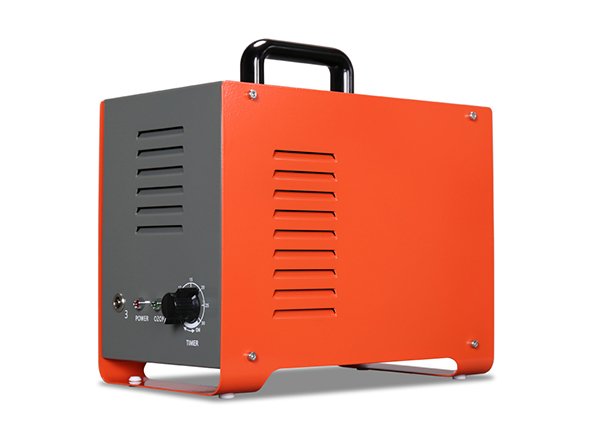
If you are struggling with persistent odors that won’t go away—such as cigarette smoke in a used car, mold in a damp basement, or “wet dog” smells in a rental property—ozone is often the only effective solution. This guide will explore the mechanics, benefits, and essential safety measures required to use these systems effectively.
How Does Ozone Air Purification Work?
To understand how an ozone air purification system works, we have to look at the chemistry of the air we breathe. The oxygen we need for survival is O2 (two oxygen atoms). Ozone is O3 (three oxygen atoms).
That third oxygen atom is highly unstable. When an ozone generator releases O3 into a room, that third atom seeks out organic pollutants. When it makes contact with a pollutant—such as a volatile organic compound (VOC) or a mold spore—the third atom breaks off and attaches itself to the pollutant.
This process is called oxidation. By changing the chemical composition of the pollutant, the ozone effectively neutralizes the odor or kills the biological agent. Once the reaction is complete, the O3 reverts back into breathable O2, leaving the air fresh and clean without the use of masking fragrances.
Ozone vs. HEPA: Which Do You Actually Need?
A common mistake among consumers is choosing between a HEPA filter and an ozone air purification system as if they perform the same task. They do not.
• HEPA (High-Efficiency Particulate Air) Filters: These are passive systems. They use a fan to pull air through a dense mesh, trapping dust, pollen, and pet dander. They are designed for continuous use while people and pets are in the room.
• Ozone Systems: These are active systems. They release a gas that seeks out contaminants in every corner of the room, including those embedded in carpets and upholstery. They are designed for intermittent “shock treatments” in unoccupied spaces.
Key Takeaway: Use a HEPA filter for daily allergy management. Use an ozone system for deep remediation of odors and pathogens.
The Core Benefits of Using an Ozone Air Purification System
1. Complete Odor Neutralization
Standard air fresheners cover smells with perfume. An ozone air purification system eliminates the source. This is why hotels use ozone to convert “smoking rooms” back into “non-smoking rooms.” It effectively neutralizes odors from:
• Tobacco and cannabis smoke
• Fire and soot damage
• Cooking oils and burnt food
• Pet urine and dander
2. Mold and Mildew Remediation
Mold spores are airborne and incredibly resilient. Ozone is a potent disinfectant that can penetrate porous surfaces to kill mold spores on contact. While it won’t remove the physical stain of mold, it will stop the growth and eliminate the musty “basement smell.”
3. Eradicating VOCs and Chemical Off-gassing
New furniture, paint, and carpets often release VOCs (Volatile Organic Compounds) like formaldehyde. These gases can cause headaches and long-term health issues. Ozone reacts with these chemicals, breaking them down into harmless base elements.
Safety First: The Golden Rule of Ozone Usage
The most important thing to know about an ozone air purification system is that it is not for use in occupied spaces.
The same oxidation process that kills bacteria can also irritate human lungs and mucous membranes. The EPA and various health organizations have warned that high concentrations of ozone can trigger asthma and reduce lung function.
Follow these strict safety protocols:
• Remove All Living Beings: This includes humans, pets, and even indoor plants.
• Seal the Area: Close windows and doors to keep the ozone concentrated where it is needed.
• Use a Timer: Most professional units come with a countdown timer. Never leave a unit running indefinitely.
• The “Wait Period”: After the machine turns off, wait at least 30 to 60 minutes before entering the room. This allows the O3 to dissipate back into O2.
• Ventilate: Open windows upon your return to flush out any remaining “after-rain” smell.
Choosing the Right Ozone Generator for Your Needs
When shopping for an ozone air purification system, you will encounter various specifications. Here is what to look for:
Milligrams per Hour (mg/h) Output
This measures how much ozone the machine produces.
• Small Rooms/Cars: 500–1,000 mg/h is sufficient.
• Large Basements/Homes: 5,000–10,000 mg/h is standard for residential remediation.
• Commercial Use: Units producing 20,000+ mg/h are used by professional restoration crews for fire damage.
Timer Functions
Look for a unit with a “Hold” function and a timed countdown. Digital timers are generally more precise than analog dials.
Portability and Durability
Since you will likely move the unit from room to room, a lightweight aluminum or stainless steel casing with a sturdy handle is preferred.
Case Study: Removing Smoke Odor from a 2,000 Sq. Ft. Home
Imagine a homeowner who has just purchased a property previously owned by a heavy smoker. Standard cleaning and painting haven’t removed the smell.
• The Strategy: A professional-grade 10,000 mg/h ozone generator was placed in the central HVAC intake.
• The Process: The homeowner set the timer for 4 hours and left the house. The HVAC fan was set to “On” to circulate the ozone through the ductwork.
• The Result: After 4 hours of treatment and 2 hours of dissipation, the house was ventilated. The “third-hand smoke” molecules embedded in the drywall and flooring were oxidized. The house was successfully sold two weeks later with zero odor complaints.
Step-by-Step Guide: How to Safely Run an Ozone Treatment
• Clean the Space First: Ozone works best when it doesn’t have to fight through thick layers of dust or physical debris. Vacuum and wipe down surfaces.
• Identify the Source: If there is a leak causing mold, fix the leak before ozonating.
• Set the Machine: Place the unit on a high surface (ozone is heavier than air and will sink).
• Activate and Exit: Start the timer and leave the premises immediately.
• Air it Out: Once the treatment is done, enter briefly to open windows, then leave again for 15 minutes while the fresh air circulates.
Maintenance of Your Ozone Air Purification System
Modern ozone units use ceramic ozone plates to create a corona discharge (mimicking lightning). Over time, these plates can accumulate dust or become “seasoned,” reducing their efficiency.
• Monthly Cleaning: If used frequently, remove the ceramic plates and clean them with 90% isopropyl alcohol.
• Plate Replacement: Depending on the model, plates usually need to be replaced every 1,000 to 5,000 hours of use to maintain peak O3 output.
FAQ: Common Questions About Ozone Air Systems
Q: Does ozone remove dust?
A: No. Ozone is a gas that neutralizes odors and biological contaminants. It does not have a physical filter to trap dust or hair. You should use a HEPA air purifier in conjunction with ozone for total air quality.
Q: Is the smell of ozone dangerous?
A: That “clean, electric” smell often felt after a thunderstorm is ozone. In very low concentrations, it is harmless. However, the high concentrations produced by an ozone air purification system for cleaning are hazardous to breathe. Always wait for the gas to dissipate.
Q: Can I use ozone to kill bed bugs?
A: While ozone is toxic to insects in extremely high concentrations over long periods, it is generally not considered a primary method for bed bug eradication. It is far more effective as a deodorizer and antimicrobial agent.
Q: How long does the ozone smell last?
A: After a treatment, the “ozone scent” may linger for 2–24 hours depending on the ventilation. This is not the ozone itself (which dissipates quickly), but rather the byproduct of the oxidation process.
Transforming Your Indoor Air Quality
Investing in an ozone air purification system is the most effective way to reclaim a space from overpowering odors and microbial growth. By understanding the science of oxidation and strictly following safety guidelines, you can achieve a level of “deep clean” that traditional cleaning methods simply cannot match.
Whether you are a property manager, a car enthusiast, or a homeowner dealing with the aftermath of a renovation, ozone technology provides a professional-grade solution to your most difficult air quality challenges. Ensure your space is unoccupied, set your timer, and breathe easier knowing the molecules of the past are being neutralized for good.