An ozone disinfection system is a powerful, chemical-free solution that utilizes ozone (O3)—a highly reactive form of oxygen—to destroy bacteria, viruses, and organic contaminants. Unlike traditional chemical disinfectants like chlorine, ozone acts almost instantaneously upon contact and reverts to pure oxygen, leaving zero harmful residues behind. For industries ranging from municipal water treatment to food processing and healthcare, ozone represents the gold standard in high-level disinfection efficiency.
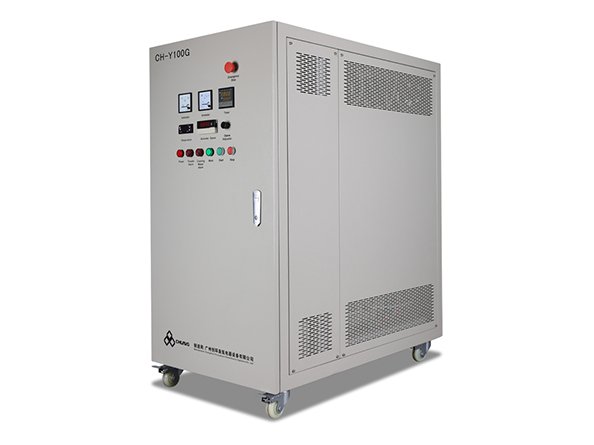
By reading this guide, you will gain a technical understanding of how ozone systems operate, their specific applications in industrial settings, and how to evaluate the ROI of switching from chemical-based systems to Advanced Oxidation Processes (AOP).
How Does an Ozone Disinfection System Work?
To understand the efficacy of an ozone disinfection system, one must look at the molecular level. Ozone is an unstable gas composed of three oxygen atoms. Because it is highly unstable, the third atom is eager to break away and bind with other organic substances.
The Science of Oxidation
When ozone molecules come into contact with a pathogen, a process called oxidation occurs. The ozone molecule ruptures the cell wall (lysis) of the microorganism, effectively neutralizing it. This process is non-selective, meaning it is highly effective against a wide spectrum of threats, including:
• Bacteria (E. coli, Legionella, MRSA)
• Viruses (Norovirus, Poliovirus)
• Protozoa (Giardia and Cryptosporidium, which are often chlorine-resistant)
• Fungi and Mold spores
Generation Methods: Corona Discharge vs. UV
Most industrial-grade systems utilize Corona Discharge. This involves passing dry air or pure oxygen through a high-voltage electrical field. The energy splits oxygen molecules (O2) into single atoms, which then recombine with other O2 molecules to form O3.
While UV-based ozone generation exists, it typically produces lower concentrations and is better suited for residential or light-duty air purification. For heavy-duty disinfection, Corona Discharge generators are the industry standard due to their ability to produce high-mass ozone flow.
Core Components of a Professional Ozone System
A robust ozone disinfection system is more than just a generator. It is a synchronized assembly of several critical components:
• Oxygen Feed System: Ozone is best generated from high-purity oxygen rather than ambient air. This increases the concentration of ozone produced and prevents the formation of nitric acid, which can damage equipment.
• Ozone Generator: The “heart” of the system where the electrical discharge occurs.
• Mass Transfer System (Venturi Injector): In water treatment, this component pulls the ozone gas into the water stream and creates micro-bubbles for maximum surface area contact.
• Reaction Tank (Contact Vessel): This provides the necessary “contact time” for the ozone to react with the contaminants.
• Ozone Destruct Unit: Because ozone is toxic to breathe, any “off-gas” that doesn’t dissolve in the water must be converted back into oxygen before being released into the atmosphere.
Industrial Applications of Ozone Disinfection
The versatility of ozone allows it to be deployed across diverse sectors. Industrial ozone systems are now replacing aging infrastructure globally due to their low environmental impact.
1. Municipal and Industrial Water Treatment
Ozone is a primary tool for potable water treatment. It excels at removing micro-pollutants and neutralizing unpleasant tastes and odors caused by algae or sulfur. Furthermore, it is the most effective method for killing Cryptosporidium, a parasite that is notoriously resistant to chlorine.
2. Food and Beverage Processing
In the food industry, ozone is used to wash produce and sanitize equipment. Because it is GRAS (Generally Recognized As Safe) by the FDA, it can be applied directly to food surfaces. It leaves no chemical taste, making it ideal for the beverage industry, specifically in bottling plants where water must be sterile but flavor-neutral.
3. Cold Storage and Agriculture
Ozone gas is pumped into cold storage rooms to extend the shelf life of fruits and vegetables. By oxidizing ethylene gas (the hormone that causes ripening and decay), ozone slows down the spoilage process and prevents the growth of surface molds.
4. Healthcare and Pharmaceutical Sterilization
Hospitals use ozone disinfection systems to sanitize patient rooms and surgical tools. In pharmaceutical manufacturing, high-purity ozone water is used to sanitize piping systems (Clean-in-Place or CIP) to ensure that no microbial growth interferes with drug formulation.
Ozone vs. Chlorine: The Strategic Comparison
For decades, chlorine was the default disinfectant. However, the tide is shifting toward ozone for several compelling reasons:
• Speed of Action: Ozone kills pathogens thousands of times faster than chlorine, requiring shorter contact times and smaller tank footprints.
• No Disinfection Byproducts (DBPs): Chlorine reacts with organic matter to create Trihalomethanes (THMs), which are known carcinogens. Ozone produces no such toxic byproducts in standard water treatment.
• On-Site Generation: Ozone is generated on-site from the air. This eliminates the need to transport, store, and handle hazardous chemicals like liquid bleach or chlorine gas.
• Operating Costs: While the initial capital expenditure (CAPEX) for an ozone system is higher, the operational expenditure (OPEX) is lower because there are no recurring chemical costs.
Safety Protocols and Regulatory Compliance
While ozone is highly effective, it must be handled with precision. High concentrations of ozone gas are hazardous to human respiratory systems. Therefore, any ozone disinfection system must include:
• Ambient Leak Sensors: To detect ozone in the air and automatically shut down the generator.
• ORP Monitoring: Sensors that measure the “Oxidation-Reduction Potential” to ensure the water is being disinfected at the correct dosage.
• OSHA Compliance: Following the PEL (Permissible Exposure Limit) of 0.1 ppm over an 8-hour shift.
Case Study: PureStream Bottling Facility Transformation
A mid-sized beverage bottling plant, PureStream, was struggling with consistent microbial counts in their rinse water despite using chlorine dioxide. The chemical residues were also affecting the taste profile of their premium mineral water.
The Solution: PureStream implemented a 50g/hr Corona Discharge ozone system integrated with a Venturi injection manifold.
The Results:
• Microbial Reduction: Total plate counts dropped to zero within the first week of operation.
• Cost Savings: The plant eliminated the $4,000 monthly spend on chlorine chemicals.
• Efficiency: The contact time required for sterilization was reduced from 20 minutes to just 4 minutes, increasing production speed by 15%.
• Sustainability: The plant lowered its carbon footprint by eliminating chemical delivery truck shipments.
Maintenance and Longevity of Ozone Equipment
To ensure your ozone system lasts 10 to 15 years, a proactive maintenance schedule is required. The primary focus should be on the air preparation system. If moisture enters the ozone generator, it can lead to the formation of nitric acid, which corrodes the dielectric tubes.
• Monthly: Check air dryers and filters.
• Quarterly: Calibrate ozone sensors and ORP probes.
• Annually: Inspect the generator cells and replace seals or gaskets.
FAQ Section
Is ozone disinfection safe for drinking water?
Yes. Ozone is widely used by municipal water plants. It effectively kills pathogens and then reverts to oxygen, leaving the water safe and fresh. It is often followed by a small amount of chlorine or UV if the water needs to travel through long distribution pipes to prevent re-contamination.
How long does ozone stay in the water?
Ozone has a very short half-life, typically 10 to 30 minutes depending on the water temperature and pH. This is why it must be generated on-site and used immediately.
Does ozone kill viruses like COVID-19?
Ozone is a proven “enveloped virus” killer. While specific tests are conducted for different strains, ozone’s ability to oxidize the viral envelope makes it a highly effective tool for disinfecting surfaces and air in high-traffic areas.
What is the difference between an ozone generator and an ozone disinfection system?
An ozone generator is just the component that creates the gas. A “system” includes the oxygen concentrator, the injection mechanism, the reaction tanks, and the safety monitoring equipment necessary for a functional application.
The Future of Chemical-Free Disinfection
As global regulations regarding chemical runoff and disinfection byproducts tighten, the adoption of ozone disinfection systems is set to accelerate. Whether you are looking to improve the safety of a public pool, ensure the sterility of a medical facility, or enhance the shelf life of agricultural products, ozone provides a powerful, sustainable, and highly efficient path forward.
Investing in ozone technology is not just a choice for better hygiene; it is a commitment to a cleaner, chemical-free future.