Ozone improves water clarity by acting as a powerful oxidizing agent that breaks down organic compounds, tannins, and micro-pollutants that cause discoloration. By neutralizing these contaminants and promoting micro-flocculation—where tiny particles clump together for easier filtration—an ozone generator effectively eliminates “tea-colored” tints and turbidity, resulting in unmatched, polished water transparency.
Introduction: The Quest for Pristine Water
Have you ever looked at your pool, aquarium, or industrial water supply and noticed a stubborn, yellowish tint or a slight “haze” that filters just can’t seem to catch? It is a common frustration for many water quality managers and hobbyists alike.
Standard filtration systems are excellent at removing large debris, but they often struggle with dissolved organics and microscopic particles. This is where advanced oxidation enters the frame. In this guide, we will explore the science of how ozone for water treatment acts as the ultimate “polishing” agent to restore total clarity.
—
The Science of Turbidity: Why Water Gets Cloudy
Before understanding the solution, we must understand the problem. Water clarity is usually compromised by three main factors:
• Dissolved Organic Compounds (DOCs): These are carbon-based molecules from decaying matter, fish waste, or runoff that tint the water.
• Colloidal Suspensions: Tiny particles that are too light to settle and too small for standard mechanical filters to trap.
• Microbial Growth: Algae blooms and bacterial colonies that create a “foggy” appearance.
While chlorine or basic sand filters handle some of these, they often leave behind the fine “dissolved” tea-color known as tannins. This is exactly where an ozone generator excels.
—
How Ozone Improves Water Clarity: The Three-Step Process
1. Rapid Oxidation of Dissolved Organics
Ozone (O3) is an unstable gas with a powerful drive to shed its third oxygen atom. When this atom contacts organic molecules, it “burns” them at a molecular level. This process breaks the double bonds of carbon molecules responsible for color. By destroying these chromophores, ozone improves water clarity by literally bleaching the stains out of the water safely and naturally.
2. Micro-Flocculation (The “Clumping” Effect)
One of the most overlooked benefits of ozone for water treatment is its role as a micro-flocculant. Ozone neutralizes the negative surface charges on microscopic particles. Once neutralized, these tiny particles no longer repel each other. They begin to clump together into larger masses (flocs) that are finally big enough to be captured by a standard protein skimmer or mechanical filter.
3. Destruction of Biofilms and Algae
Ozone is a potent biocide. It ruptures the cell walls of algae and bacteria on contact. Unlike chlorine, which can leave water looking dull or chemically “heavy,” ozone leaves the water looking “bright” because it removes the living biological load that contributes to light refraction and cloudiness.
—
Pro-Tip from the Field: When using an ozone generator for clarity, ensure your protein skimmer or fine-grade mechanical filter is cleaned regularly. Because ozone is clumping so much “invisible” waste into physical particles, your filters will fill up much faster than usual during the first 72 hours of treatment.
—
Ozone vs. UV vs. Chlorine: Which Provides Better Clarity?
| Feature | Ozone (O3) | UV Sterilization | Chlorine |
|---|---|---|---|
| Organic Breakdown | High (Oxidation) | None | Moderate |
| Color Removal | Excellent | Poor | Moderate |
| Micro-Flocculation | Yes | No | No |
| Residual Chemicals | None (Turns to O2) | None | High (Chloramines) |
| Clarity “Polish” | Superior | Moderate | Average |
While UV light kills bacteria, it does not “remove” the dead organic matter from the water. Chlorine sanitizes but can create byproducts that cloud the water. Ozone improves water clarity by actually removing the matter, leaving behind nothing but pure oxygen (O2).
—
Implementing an Ozone Generator Safely
To achieve that “diamonds in the sun” look, you need a properly sized system. Here is the expert-recommended setup for maximum clarity:
The Injection Point
Ozone should be injected via a Venturi injector or a reaction chamber. This ensures the gas has maximum “contact time” with the water. The better the mix, the clearer the water.
Monitoring Redox (ORP)
To ensure you are using ozone for water treatment effectively, monitor your Oxidation-Reduction Potential (ORP). A target range of 350mV to 450mV is typically the “sweet spot” where water becomes exceptionally clear without over-oxidizing the environment.
Carbon Post-Filtration
Always run the ozonated water through high-quality activated carbon before it returns to a main tank or pool. This removes any residual ozone gas and further polishes the water to a high-definition shine.
—
Expert Insights: Why “Clarity” Isn’t Just Aesthetic
High water clarity isn’t just about looking good; it’s a primary indicator of water health. In aquaculture, clearer water means better light penetration for aquatic plants and lower stress for fish. In municipal settings, high clarity indicates a lower risk of pathogen shielding.
When you use an ozone generator, you aren’t just “cleaning” the water; you are fundamentally changing its chemistry to be more life-supporting and oxygen-rich.
—
Frequently Asked Questions
1. How long does it take for ozone to clear cloudy water?
Usually, you will see a noticeable difference within 12 to 24 hours. However, for total “polishing” of deep-seated tannins, it may take 3 to 5 days of consistent O3 application.
2. Is ozone safe for fish and plants?
Yes, provided it is managed correctly. You must ensure that no “free ozone” enters the main livestock area. Using a carbon reactor and an ORP controller makes the process very safe and highly beneficial.
3. Does ozone remove green water (algae)?
Yes. Ozone is incredibly effective at destroying the single-celled algae responsible for “green water.” It kills the algae and then helps the filter remove the dead cells through flocculation.
4. What is the difference between an ozone generator and an air ionizer?
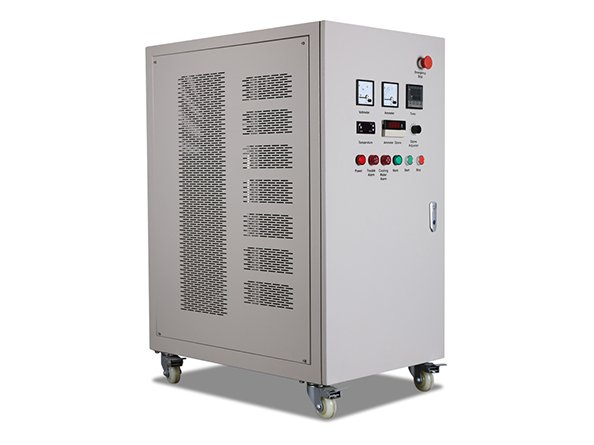
An ozone generator for water treatment is designed to produce high concentrations of O3 to be dissolved in liquid. An air ionizer is meant for air purification and lacks the output and delivery systems required to impact water clarity.
5. Do I still need a filter if I use ozone?
Absolutely. Ozone is not a replacement for a filter; it is an enhancer. Ozone breaks down and clumps particles so that your filter can actually “see” them and remove them from the system.
—
Conclusion: Achieve the Ultimate Water Polish
If you are tired of “dull” water and want to achieve a level of transparency that standard chemicals and filters cannot provide, the answer is clear. By leveraging an ozone generator, you utilize the power of active oxygen to oxidize stains and clump microscopic debris.
Ozone improves water clarity more efficiently than almost any other method available today. Whether for a high-end aquarium, a commercial swimming pool, or an industrial process, ozone for water treatment is the gold standard for pristine, sparkling water.
Ready to transform your water quality? Contact our specialists today to find the perfect ozone solution for your needs!