An ozone diffuser is a specialized device, often made of porous ceramic or stainless steel, designed to dissolve ozone gas into water by breaking it into millions of micro-bubbles. This process, known as mass transfer, maximizes the surface area of the ozone, allowing it to efficiently oxidize contaminants, kill bacteria, and neutralize odors within an ozone water treatment system.
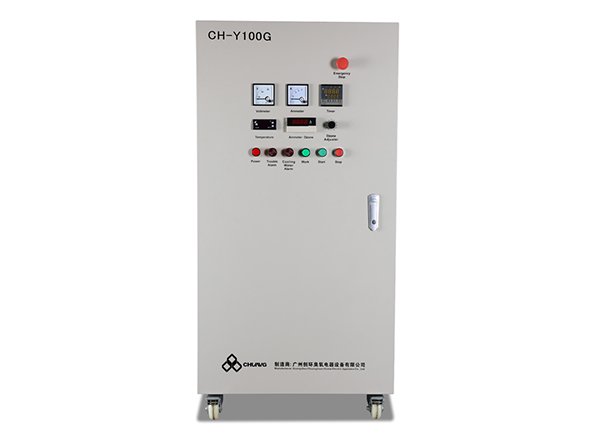
Introduction: The Secret to High-Efficiency Water Purification
Have you ever wondered why some water treatment systems achieve crystal-clear results while others struggle with stubborn odors or pathogens? The difference often lies not just in the ozone itself, but in how effectively that ozone is delivered into the liquid.
If you are researching an ozone generator for water treatment, you have likely realized that ozone gas is only useful if it actually dissolves. Without a high-quality delivery mechanism, the ozone simply floats to the surface and escapes—wasting energy and money.
In this guide, we will break down the mechanics of the ozone diffuser, explore the different types available, and explain why it is the heartbeat of any professional-grade purification setup.
—
What Exactly is an Ozone Diffuser?
At its core, an ozone diffuser is a high-performance injector or “bubbler.” While it might look similar to an aquarium airstone, the engineering behind it is far more sophisticated. Because ozone is a highly reactive and corrosive gas, diffusers must be constructed from ozone-resistant materials like 316L stainless steel, titanium, or specialized ceramics.
The primary role of the diffuser is to facilitate Mass Transfer. This is the physical process of moving ozone from its gaseous state into a dissolved state in water. The smaller the bubbles produced by the diffuser, the higher the “surface-area-to-volume” ratio, which leads to faster and more complete saturation.
—
How Does an Ozone Diffuser Work? (The Step-by-Step Process)
Understanding the mechanics of a diffuser helps in optimizing your entire ozone water treatment system. Here is the step-by-step journey of an ozone molecule:
1. Ozone Generation
First, an ozone generator for water treatment creates O3 gas via corona discharge or UV light. This gas is then pushed through delivery tubing toward the treatment tank or contact chamber.
2. Pressure and Penetration
The gas reaches the diffuser, which is submerged at the bottom of a water column. The system must apply enough pressure to overcome the “bubble point” of the diffuser—the amount of force required to push gas through the microscopic pores of the material.
3. Micro-Bubble Creation
As the gas exits the ozone diffuser, it is sheared into “fine bubbles” (typically 0.5 to 2 millimeters in diameter). These tiny bubbles rise slowly through the water column.
4. Mass Transfer and Oxidation
As the bubbles rise, the ozone molecules migrate across the gas-liquid interface. Once dissolved, the ozone begins its work: breaking down organic matter, killing viruses, and precipitating heavy metals like iron and manganese.
Expert Insight: The depth of the tank matters. The deeper the diffuser is placed, the longer the “contact time” as the bubble travels to the surface, resulting in significantly higher ozone absorption rates.
—
Key Components of a Modern Ozone Water Treatment System
An ozone diffuser does not work in isolation. To achieve Top-3 SERP-level efficiency, it must be integrated into a cohesive system.
• Ozone Generator: The source of the oxidant.
• The Diffuser: The interface for gas-to-liquid transfer.
• Contact Tank: A vessel designed to give the ozone time to react with contaminants.
• Off-gas Destruct Unit: Captures any undissolved ozone at the top of the tank to prevent it from entering the ambient air, ensuring safety.
—
Types of Ozone Diffusers
Choosing the right material is critical for longevity and performance.
1. Porous Ceramic Diffusers
These are the industry standard for large-scale municipal and industrial applications. They produce incredibly fine bubbles and are highly resistant to the oxidative power of ozone.
2. Stainless Steel (Sintered) Diffusers
Made from compressed stainless steel powder, these are rugged and can withstand high pressures. They are frequently used in beverage bottling and pharmaceutical water systems where durability and “clean-in-place” (CIP) protocols are required.
3. PTFE (Teflon) Diffusers
Ideal for highly corrosive environments, PTFE diffusers offer excellent chemical resistance but may produce slightly larger bubbles than ceramic options.
—
Why Bubble Size is the “Golden Rule” of Ozone Efficiency
In the world of water treatment, smaller is always better. Large bubbles rise quickly and have a small surface area relative to their volume. This leads to “off-gassing,” where the ozone escapes into the atmosphere without ever cleaning the water.
Fine-bubble diffusion ensures:
• Higher Solubility: More ozone stays in the water.
• Energy Savings: The ozone generator for water treatment can run at a lower output because less gas is wasted.
• Faster Reaction Times: Contaminants are neutralized in seconds rather than minutes.
—
Pro-Tips for Maintaining Your Ozone Diffuser
To keep your system running at peak performance, follow these expert maintenance steps:
• Monitor Backpressure: If the pressure on your ozone generator increases, it usually indicates that the diffuser pores are becoming clogged with mineral scale or biological film.
• Acid Cleaning: Periodically soaking ceramic or stainless diffusers in a mild acid solution can dissolve mineral buildup and restore original flow rates.
• Check for “Large Bubble” Leaks: If you see large, turbulent bubbles at the surface, it may indicate a crack in the diffuser or a loose connection at the base.
• Oxygen Feed: Using high-purity oxygen instead of ambient air in your ozone generator for water treatment will produce a higher concentration of ozone, making the diffuser’s job much easier.
—
Comparison: Diffusers vs. Venturi Injectors
While this article focuses on the ozone diffuser, you may also encounter Venturi injectors.
• Diffusers: Best for large tanks and systems where low energy consumption is a priority. They rely on the height of the water column for efficiency.
• Venturi Injectors: Use a pressure differential to “suck” ozone into a flowing stream of water. They are excellent for high-flow pipelines but require powerful pumps to create the necessary pressure drop.
—
Frequently Asked Questions (FAQ)
1. How long do ozone diffusers last?
A high-quality ceramic or stainless steel diffuser can last 5 to 10 years with proper maintenance. However, they should be cleaned annually to prevent “fouling” or clogging from minerals in the water.
2. Can I use a standard aquarium airstone for ozone?
No. Standard airstones are usually made of bonded sand or plastic that will degrade and crumble within days when exposed to ozone. You must use an ozone-compatible material like 316L stainless steel or ceramic.
3. What is the ideal bubble size for ozone treatment?
For maximum efficiency, bubbles should be between 0.5mm and 2.0mm. Anything larger than 3mm tends to rise too quickly, leading to poor ozone mass transfer.
4. Where should I place the diffuser in my tank?
The ozone diffuser should be placed at the absolute lowest point of the tank. This maximizes the “rise time,” allowing the gas more time to dissolve into the water before reaching the surface.
5. Why is my ozone system not removing odors?
The most common cause is poor mass transfer. If your diffuser is clogged or the bubbles are too large, the ozone isn’t dissolving. Ensure your ozone generator for water treatment is producing the correct concentration and that your diffuser is clean.
—
Conclusion: Investing in Quality Diffusion
An ozone water treatment system is only as strong as its weakest link. While the ozone generator for water treatment creates the “power,” the ozone diffuser provides the “delivery.” By selecting a high-quality, fine-bubble diffuser, you ensure maximum oxidation, lower operating costs, and the highest possible water quality.
Ready to upgrade your water quality?
Whether you are managing a commercial laundry, a craft brewery, or an industrial cooling tower, choosing the right diffusion technology is the first step toward pure, safe water. Consult with an ozone specialist today to size the perfect system for your needs.