If you are upgrading your pool or spa sanitation system, you have likely heard the hype surrounding ozone generators. Marketed as a natural, powerful way to achieve crystal-clear water, ozone is rapidly becoming a standard in both residential and commercial aquatic facilities. But this leads to one of the most common questions in pool maintenance: Do I still need chlorine with an ozone generator?
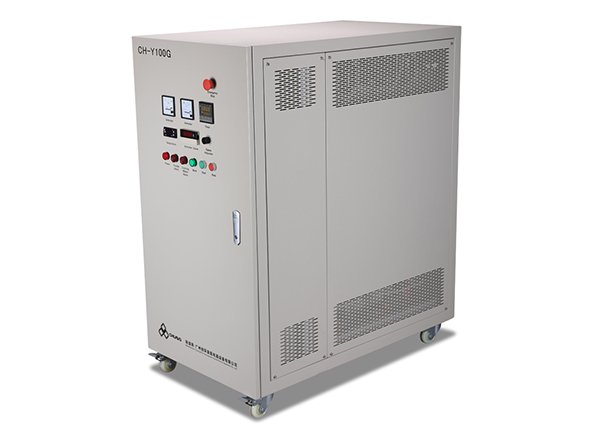
The short answer is yes. While ozone is a dramatically more powerful oxidizer than chlorine, it does not leave a residual in the water to protect against ongoing contamination. In this comprehensive guide, we will break down exactly how ozone works, why a chlorine residual is legally and practically required, and how to operate, maintain, and troubleshoot a hybrid ozone-chlorine system.
—
How Ozone Inactivates Pathogens and What It Actually Removes
To understand why chlorine is still necessary, you first need to understand the chemical mechanism of ozone (O3) and how it differs from traditional halogens. Ozone is an unstable, highly reactive gas and one of the strongest oxidizers available for water treatment.
When ozone is injected into pool water, it rapidly destroys pathogens by lysing (rupturing) the cell walls of bacteria and oxidizing the RNA and DNA of viruses. Furthermore, it aggressively attacks biofilms—the slimy protective layers where bacteria thrive—much more effectively than chlorine alone.
The true advantage of ozone lies in its Contact Time (CT) value, which measures the concentration of a sanitizer required to inactivate a pathogen over a specific period. Compared to chlorine, ozone acts up to 3,000 times faster. Let’s look at the relative susceptibility of common pool-borne pathogens to ozone based on peer-reviewed water treatment studies:
• E. coli & Norovirus: These are highly susceptible to both chlorine and ozone, but ozone destroys them almost instantaneously upon contact.
• Cryptosporidium (Crypto): This dangerous parasite features a tough outer shell making it highly resistant to chlorine. It can take days to achieve the CT value required to inactivate Crypto with normal pool chlorine levels (CT > 15,300). With ozone, the required CT value is roughly 1.0 to 2.5, neutralizing the parasite in mere minutes.
However, there is a fundamental catch to ozone’s power: it leaves almost zero residual in the water. Because ozone is so unstable, it quickly reverts to standard oxygen (O2) after doing its job in the system’s contact chamber. By the time the water returns to the main pool basin, the ozone is gone. If a swimmer introduces new bacteria into the water, there is no ozone present in the bulk water to kill it immediately. This lack of continuous, in-pool sanitation is exactly why a secondary residual sanitizer is mandatory.
Residual Sanitizer Requirements: Recommended Free Chlorine Levels, Codes, and Liability
Because ozone cannot provide a protective barrier in the bulk pool water, you must maintain a “residual sanitizer.” This ensures that cross-contamination between bathers—such as transferring bacteria or viruses from one swimmer to another—is mitigated instantly.
For public and commercial facilities, maintaining this residual is not just a best practice; it is a strict legal requirement. The Centers for Disease Control (CDC) and the Model Aquatic Health Code (MAHC), alongside local state and county health departments, dictate specific minimums.
Even with an advanced ozone system installed, the standard recommended target ranges are:
• Public Pools: A minimum of 1.0 ppm Free Chlorine (FC). Many operators using ozone target a sweet spot of 1.0–3.0 ppm to ensure compliance while keeping chemical use low.
• Hot Tubs & Spas: A minimum of 3.0 ppm Free Chlorine. Because warm water depletes chlorine faster and opens skin pores, the recommended operating range is typically 3.0–5.0 ppm.
Many competitor guides vaguely state that you should “keep some residual,” but they fail to address the liability risks. If a commercial pool drops below these legal limits and a waterborne illness outbreak occurs, the facility is entirely liable. Operating a hybrid system does not exempt you from health codes. To mitigate operational and legal risks, strict adherence to local regulations, high-frequency testing, and meticulous record-keeping are your best defenses. In the eyes of health inspectors, if the free chlorine level isn’t logged, it didn’t happen.
Operating, Monitoring, and Maintenance: Test Methods, ORP, Schedules, and Automation
To reap the benefits of an ozone-chlorine hybrid system, you need a structured operational routine. Relying on vague maintenance schedules will inevitably lead to equipment failure or cloudy water. Here is an actionable guide to maintaining your system:
Daily: Test Free Chlorine and pH using chemical reagents (DPD testing). Record these in your daily logbook. DPD tests are the ultimate source of truth for measuring exact parts per million (ppm).
Weekly / Post-Heavy Bather Load: While ozone massively reduces the need for super-chlorination, you should still perform a weekly “shock” treatment. Briefly elevating the free chlorine to 5–10 ppm (depending on product labels and regulatory caps) ensures you hit “breakpoint chlorination,” destroying any lingering organic matter that bypassed the ozone contact chamber.
Monthly / Annual Maintenance:
• Inspect the Corona Discharge (CD) cell or UV lamps: Ensure the generator is actually producing ozone.
• Clean the Venturi Injector: Calcium and scale love to build up at the injection point, blocking the suction of ozone gas into the water line.
• Replace Parts: Follow manufacturer guidelines. CD cells and UV bulbs typically degrade and require replacement every 12 to 24 months.
Understanding ORP vs. DPD Testing:
Many automated systems use ORP (Oxidation-Reduction Potential) sensors to measure water sanitation. While DPD tells you the amount of chlorine in the water, ORP tells you how effective that chlorine is at oxidizing contaminants. The standard target for a clean pool is ≈650 mV (in an environment without cyanuric acid).
However, beware of chemical interference. High levels of Cyanuric Acid (CYA, or chlorine stabilizer) and high pH will artificially suppress ORP readings, causing your automation system to over-feed chlorine. Always calibrate your ORP sensors regularly and prioritize DPD reagent tests as your baseline.
Chemistry Risks and System Compatibility: Bromate, Chloramines, Salt Systems, and Materials
Ozone does not exist in a vacuum; it interacts aggressively with your existing water chemistry, presenting both massive benefits and hidden risks.
The Benefit: Destroying Chloramines
When chlorine binds with sweat and urine, it forms chloramines (combined chlorine). This is what causes the notorious “indoor pool smell” and red, burning eyes. Ozone actively oxidizes and breaks down monochloramines and dichloramines, virtually eliminating pool odors and leaving the water feeling incredibly soft and fresh.
The Risk: Bromate Formation
If you use a bromine sanitation system, or if your pool salt contains high levels of bromide impurities, introducing ozone creates a chemical hazard. Ozone oxidizes bromide ions (Br) into bromate (BrO3), which is a suspected human carcinogen. To frame this risk, the EPA’s drinking water safety limit for bromate is just 10 ppb (parts per billion). If you are operating a saltwater or bromine pool, you must mitigate this by precisely controlling your ozone dosage, strictly managing pH levels, or deploying specific de-bromination strategies.
System and Material Compatibility
Ozone gas is highly corrosive. While it reduces the workload on salt water chlorine generators (extending their lifespan), ozone can degrade pool materials if not properly handled. Natural rubber seals, standard PVC, and certain metallic components will age rapidly if exposed to high concentrations of ozone. Ensure your system utilizes ozone-resistant materials like Teflon, Kynar, or Viton for all seals and injection tubing.
Sizing, Cost, Retrofits, ROI, and Troubleshooting
An improperly sized ozone generator is a waste of money. Whether you are building a new pool or retrofitting an old one, here is how to approach the economics and sizing.
Sizing Guidelines:
Sizing is based on pool volume, turnover rate, and the design of the inline contact chamber.
• Residential Pools: Typically require an ozone output ranging from 0.5 to 3.0 grams per hour (g/hr).
• Commercial Pools: Require heavy-duty systems outputting anywhere from a few grams to tens of grams per hour.
Costs and ROI:
Residential units range from $300 to $1,500, while commercial-grade systems can run from $5,000 to over $20,000. However, the return on investment (ROI) is highly compelling. By installing an ozone generator, commercial operators typically reduce their chlorine consumption by 40% to 60%. They also save on the costs of frequent water dumping and heating (since less water replacement is needed to dilute chloramines). A typical commercial facility can expect a full ROI in 2 to 4 years.
Retrofitting:
When retrofitting an existing pool, ensure you have adequate physical space for the bypass plumbing, the venturi gas injector, and (for commercial systems) a contact tank and off-gas destruct unit. Electrical interlocks must be installed so the ozone generator only runs when the main pool pump is active.
Troubleshooting Checklist:
• Low Ozone Output: Check the CD cell for carbon buildup or moisture intrusion (ensure the air dryer/desiccant is functioning).
• No Ozone Bubbles in Water: Inspect the venturi injector. It is likely clogged with calcium scale.
• Automation/Sensor Drift: If the system is over-chlorinating, clean your ORP probes with a mild acid solution and recalibrate them.
—
Ready to Upgrade? Let Us Help You Stay Compliant
Upgrading to an ozone-chlorine hybrid system is one of the best investments you can make for water clarity, bather comfort, and long-term chemical savings. But ensuring your system is sized correctly, installed safely, and meets all US state and county health requirements takes expertise.
Take the next step with our free resources:
• 💻 Instant Quote: Try our built-in [Ozone Sizing & ROI Calculator]. Simply input your pool volume, daily average bather load, and current chlorine costs to see exactly which model you need and when it will pay for itself.
We offer fully compliant installations for the US market, complete with long-term maintenance contracts, standard 3-to-5-year warranties, and rapid project turnaround times (typically 1-2 weeks from assessment to installation).
—
FAQ
Can I eliminate chlorine completely if I install an ozone generator for my pool or spa?
No. Ozone has a very short half-life and leaves no active residual in the bulk pool water. You must maintain a low level of chlorine to kill any new bacteria or viruses introduced by swimmers after the water has left the ozone contact chamber.
What free chlorine residual should I maintain in an ozone-assisted pool to meet U.S. public health codes?
To remain compliant with the CDC and local health codes, public pools must maintain a minimum of 1.0 ppm free chlorine, while public spas and hot tubs require a minimum of 3.0 ppm. Operators typically aim for 1.0–3.0 ppm in pools and 3.0–5.0 ppm in spas.
How should I monitor sanitation effectiveness with an ozone system—ORP, DPD free chlorine, or other tests?
You should use both. Automated systems use ORP (aiming for ~650 mV in un-stabilized water) to measure real-time oxidation power. However, you must perform daily manual DPD reagent tests to accurately log your exact free chlorine parts per million (ppm) for health code compliance.
Does ozone remove chloramines and reduce pool odor, and will it reduce the frequency of shock treatments?
Yes. Ozone is exceptionally effective at breaking down monochloramines and dichloramines, which are the compounds responsible for the strong “pool smell” and eye irritation. While it drastically reduces the need for frequent shock treatments, a routine maintenance shock is still recommended.
Is there a risk of bromate formation when using ozone in saltwater or bromide-containing pools, and how can I control it?
Yes. Ozone can oxidize bromide ions into bromate, a suspected carcinogen with an EPA drinking water limit of 10 ppb. You can control this risk by managing your pH precisely, dialing in the exact ozone dosage needed, or avoiding ozone in systems with high bromide concentrations.
How do I size an ozone generator for a residential pool and what are typical installation and operating costs?
Residential pools generally require 0.5 to 3 grams per hour (g/hr) of ozone output. Equipment and installation usually range from $300 to $1,500+. Operating costs are minimal (mostly the electricity to run the generator), and you will save money by purchasing significantly less chlorine.
What emergency steps should operators take if the ozone system fails during operation?
If the ozone system fails, operators should immediately manually test the free chlorine levels. Because the primary oxidizer is down, you must increase the chlorine feed rate to standard, non-ozone levels (often 2.0-4.0 ppm for pools) to maintain water safety until the ozone unit is repaired.