Ozone dosage in water treatment refers to the specific amount of ozone gas added to a water volume, typically measured in milligrams per liter (mg/L). It represents the total quantity of ozone injected by an ozone generator to achieve specific disinfection or oxidation goals, balancing the demand of contaminants with the desired residual concentration.
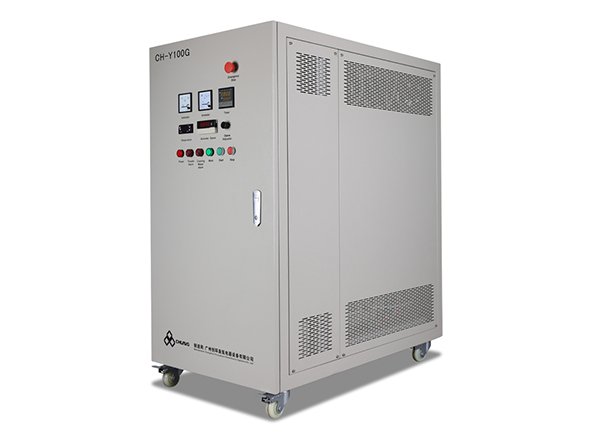
Introduction: Mastering the Science of Oxidation
Finding the right balance in water purification is a precision game. If you apply too little ozone, pathogens and micropollutants remain. Apply too much, and you waste energy or risk creating disinfection byproducts like bromate.
Do you feel overwhelmed by the technical calculations required to ensure your water is safe? You are not alone. Determining the correct dosage is the most critical step in designing an effective ozone system.
In this guide, we will break down the complexities of ozone dosing, the variables that influence demand, and how to optimize your ozone generator for peak performance. By the end, you will have a roadmap for achieving superior water quality.
—
Understanding Ozone Dosage vs. Ozone Demand
To master ozone for water treatment, you must first distinguish between three critical terms: Dosage, Demand, and Residual.
1. Ozone Dosage
This is the total amount of ozone “fed” into the water. It is a controlled variable determined by the output of your ozone generator and the flow rate of the water.
2. Ozone Demand
Once ozone enters the water, it immediately reacts with organic matter, metals (like iron and manganese), and bacteria. The amount of ozone consumed during these instantaneous reactions is the “demand.”
3. Ozone Residual
The residual is the amount of ozone remaining in the water after the demand has been met and a specific contact time has passed. This is what ensures ongoing disinfection.
The Golden Formula:
Dosage = Demand + Residual
—
Why Is Accurate Dosage Critical for Your Ozone System?
Ozone is one of the most powerful oxidants available, but it is also highly unstable. Unlike chlorine, it cannot be stored; it must be generated on-site.
Pathogen Inactivation
Correct dosing ensures the “CT Value” (Concentration × Time) is met. This is vital for killing resistant cysts like Cryptosporidium and Giardia, which chlorine often fails to neutralize.
Oxidation of Micropollutants
In industrial and municipal settings, ozone for water treatment is used to break down pharmaceuticals, pesticides, and endocrine disruptors. An insufficient dose leaves these harmful “forever chemicals” intact.
Efficiency and Cost-Savings
Operating an ozone system involves electricity and oxygen costs. By calculating the precise dosage, you prevent excessive wear on your ozone generator and reduce your carbon footprint.
—
Factors That Influence Ozone Dosage Requirements
No two water sources are the same. Several water quality parameters will dictate how much ozone you need to inject.
1. Total Organic Carbon (TOC)
High levels of organic matter act as a “sink” for ozone. The more carbon present, the higher the dosage required to penetrate the organic load and begin disinfection.
2. PH Levels
Ozone decomposes faster at higher pH levels. In alkaline water (pH > 8.0), ozone quickly converts into hydroxyl radicals. While these radicals are powerful, they have a shorter lifespan than molecular ozone.
3. Water Temperature
Solubility is inversely proportional to temperature. In warmer water, ozone gas is less soluble and escapes more quickly, necessitating a higher dosage to maintain a residual.
4. Turbidity
Suspended particles can shield bacteria and viruses from ozone exposure. Pre-filtration is often recommended to reduce turbidity before the water enters the ozone contact chamber.
—
How to Calculate Ozone Dosage
Calculating the output needed from your ozone generator involves a straightforward mathematical approach.
The Calculation Formula
To determine the grams of ozone required per hour (g/hr), use the following formula:
[Water Flow (m³/hr)] × [Desired Dosage (mg/L)] = Ozone Output (g/hr)
Example:
If you have a flow rate of 10 m³/hr and your target dosage is 2 mg/L:
10 × 2 = 20 grams of ozone per hour.
Pro-Tip: Always size your ozone generator to provide 20-30% more than your calculated maximum dosage. This allows for fluctuations in water quality and prevents running the equipment at 100% capacity, extending its lifespan.
—
Implementation: The Role of the Ozone Contact Tank
Dosage is only half of the equation; the other half is contact time. Once the ozone system injects the gas—usually via a Venturi injector or fine bubble diffusers—the water must stay in a contact tank.
• Standard Contact Time: Usually ranges from 4 to 10 minutes.
• Baffled Tanks: Using baffles prevents “short-circuiting,” ensuring every drop of water is exposed to the ozone for the required duration.
—
Expert Insights: Avoiding Common Dosing Pitfalls
According to senior environmental engineers, the most common mistake in ozone for water treatment is ignoring “Bromide” levels.
The Bromate Risk: If the water contains high levels of bromide, high ozone dosages can convert it into bromate, a regulated carcinogen. In these cases, engineers must utilize “pH depression” or “ammonia addition” to inhibit bromate formation while maintaining disinfection efficacy.
—
Typical Ozone Dosage Ranges by Application
| Application | Typical Dosage (mg/L) | Primary Goal |
|---|---|---|
| Drinking Water | 1.0 – 3.0 | Disinfection & Taste/Odor |
| Bottled Water | 0.2 – 0.4 | Residual Disinfection |
| Wastewater (Secondary) | 5.0 – 15.0 | BOD/COD Reduction |
| Cooling Towers | 0.2 – 0.5 | Biofilm Control |
| Iron/Manganese Removal | 0.5 – 2.0 | Oxidation/Precipitation |
—
FAQ: Frequently Asked Questions
1. How do I know if my ozone dosage is working?
You should measure the ozone residual at the outlet of the contact tank using a dissolved ozone sensor or a DPD colorimetric test. If you have a measurable residual (e.g., 0.1 mg/L), your dosage has successfully overcome the water’s demand.
2. Can I over-ozonate the water?
Yes. Over-ozonation can lead to the formation of bromate, damage to downstream piping (corrosion), and unnecessary energy consumption. It can also cause “off-gassing” of ozone, which is a respiratory hazard.
3. Does ozone stay in the water like chlorine?
No. Ozone has a short half-life (usually 10–30 minutes). It reverts back to oxygen, leaving no chemical residue. This is why a secondary disinfectant, like chlorine or chloramine, is often used in city pipes.
4. What is the difference between a Venturi and a Diffuser for dosing?
A Venturi injector uses a pressure drop to pull ozone gas into the water stream, offering high mass transfer efficiency (up to 90%). Diffusers bubble the gas from the bottom of a tank, which is simpler but often less efficient.
5. How does temperature affect my ozone system?
In cold water, ozone is more stable and lasts longer. In warm water (above 30°C/86°F), ozone decomposes rapidly, meaning you may need to increase the dosage from your ozone generator to achieve the same disinfection results.
—
Conclusion: Designing for Success
Understanding ozone dosage is the bridge between basic filtration and high-authority water purification. By accurately calculating your demand and monitoring your residuals, you ensure a safe, efficient, and cost-effective ozone system.
Whether you are managing a municipal plant or a specialized industrial process, the power of ozone for water treatment lies in its precision. Don’t guess—calculate.
Ready to optimize your water treatment process?
If you need help selecting the right ozone generator or designing a custom contact solution, contact our engineering team today for a technical consultation. Let’s build a cleaner future, one milligram at a time.