Ozone is safe for fish only when applied through a controlled, multi-stage delivery system that ensures complete off-gassing or destruction of residual ozone before the water reaches the livestock. While it is a powerful disinfectant, direct exposure to concentrations as low as 0.01 mg/L can cause lethal respiratory damage and oxidative stress.
Introduction: The Double-Edged Sword of Water Sterilization
Every professional aquaculturist and high-end pond enthusiast seeks the “holy grail” of water quality: crystal clear water, zero pathogens, and high dissolved oxygen levels. This is precisely why ozone in aquaculture has become the industry standard. However, the same oxidative power that kills viruses and bacteria can also destroy delicate fish gill tissue.
If you are wondering, “Is ozone safe for fish?” the answer is a nuanced “Yes, but only with precision.” If managed incorrectly, ozone leads to acute toxicity, characterized by “gas bubble disease” symptoms or sudden mass mortality.
In this guide, we will explore how to implement an ozone generator for aquaculture safely, the biological mechanics of toxicity, and the fail-safe protocols used by world-class hatcheries to keep their stock thriving.
—
How Ozone Works in an Aquatic Environment
Ozone (O3) is an unstable molecule consisting of three oxygen atoms. Because it is highly reactive, it seeks to “oxidize” or break down organic matter, tannins, and pathogens on contact. Unlike chlorine, ozone does not leave a long-term chemical residue; it eventually reverts back into pure oxygen (O2).
The Role of an Ozone Generator for Aquaculture
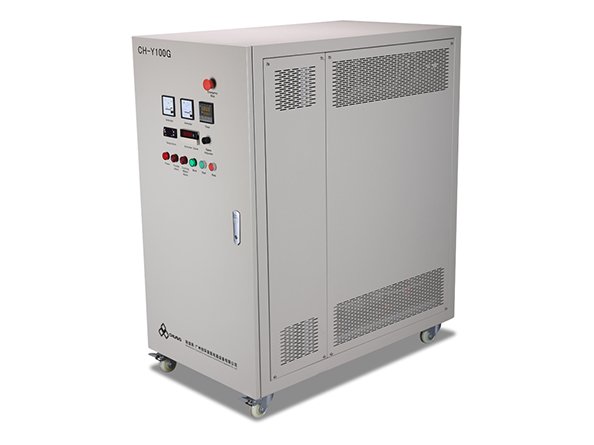
An ozone generator for aquaculture works by passing dry air or pure oxygen through a high-voltage corona discharge. This creates ozone gas, which is then injected into a reaction chamber or protein skimmer.
The primary benefits include:
• Microbial Control: Rapidly kills bacteria, fungi, and viruses.
• Water Clarity: Breaks down long-chain carbon molecules (tannins) that tint water yellow.
• Ammonia/Nitrite Reduction: While not a replacement for biofiltration, ozone assists in oxidizing nitrite (NO2) into nitrate (NO3).
—
Is Ozone Safe for Fish? Understanding the Thresholds
To answer the core question: ozone safe for fish status is entirely dependent on the Oxidation-Reduction Potential (ORP) levels of the water. ORP measures the “cleansing power” of the water in millivolts (mV).
Safe vs. Toxic Ranges
| ORP Level (mV) | Status | Effect on Fish |
|---|---|---|
| 150 – 250 mV | Low | Standard aquarium/pond water; high organic load. |
| 300 – 350 mV | Ideal | Optimum sterilization without harming livestock. |
| 400+ mV | Danger Zone | Potential for gill irritation and stress. |
| 450+ mV | Toxic | Acute mortality; destruction of gill lamellae. |
Expert Insight: Most fish species can tolerate a temporary spike in ORP, but chronic exposure to residual ozone—the actual O3 gas molecules—is what leads to “Ozone Toxicity.”
—
Symptoms of Ozone Toxicity in Fish
Detecting ozone toxicity early is vital for saving your stock. Because ozone attacks the gills first, the symptoms often mimic low oxygen levels or ammonia poisoning.
• Gasping at the Surface: Fish struggle to extract oxygen because their gill tissues are chemically burned.
• Hyperactivity and Erratic Swimming: Rapid, “jerky” movements followed by lethargy.
• Increased Mucus Production: The fish produce excess slime on the skin and gills as a protective barrier against oxidation.
• Cloudy Eyes: Prolonged exposure can cause corneal damage.
• Sudden Mortality: In high-concentration leaks, fish may die within minutes without showing prior symptoms.
—
5 Critical Steps to Avoid Ozone Toxicity
To ensure ozone in aquaculture remains a benefit rather than a hazard, follow these industry-standard safety protocols.
1. Use a Contact Chamber and Off-Gassing Tower
Never inject ozone directly into the main display tank or production pond. Ozone must be injected into a dedicated contact chamber (like a protein skimmer or pressurized reactor). After the ozone has reacted with the water, the “treated” water should pass through an off-gassing tower to allow residual O3 to escape into the atmosphere.
2. Carbon Filtration (The Fail-Safe)
The most effective way to guarantee water is ozone safe for fish is to pass the post-ozonated water through high-quality Activated Carbon (GAC). Carbon chemically neutralizes residual ozone, converting it back into oxygen.
Pro-Tip: Replace your activated carbon every 3–6 months. Exhausted carbon cannot neutralize ozone, leaving your fish vulnerable.
3. Integrated ORP Controllers
Never run an ozone generator for aquaculture on a simple timer. You must use an ORP controller with a high-quality probe.
• Set the controller to shut off the generator once the water reaches 350 mV.
• This creates a “feedback loop” that prevents the ORP from climbing into the toxic 400+ mV range.
4. Monitor Ambient Air Quality
Ozone is not just toxic to fish; it is toxic to humans. If you can smell ozone (a sharp, “electric” or “bleach-like” scent), your levels are too high. Use an ambient ozone monitor in the filtration room to protect both the fish and the operators.
5. Proper Sizing of the Generator
A common mistake is buying an oversized generator. For most aquaculture applications, a dosage of 0.1 to 0.5 mg of ozone per liter of water per hour is sufficient.
—
The Benefits of Using Ozone in Aquaculture Safely
When the safety protocols above are met, the results are transformative:
• Increased Growth Rates: With lower pathogen loads, fish divert more energy toward growth rather than immune defense.
• Reduced Water Usage: Ozone allows for higher recycling rates in Recirculating Aquaculture Systems (RAS).
• Improved FCR (Feed Conversion Ratio): Better water quality leads to better appetite and nutrient absorption.
—
Expert Insights: Troubleshooting Ozone Systems
The “Cold Weather” Variable:
Ozone is more stable in colder water. If you are operating a trout farm or a cold-water pond, residual ozone lasts longer before breaking down. You must increase the “contact time” and carbon filtration capacity in cold-water setups compared to tropical systems.
The Salinity Factor:
In marine environments, ozone reacts with bromide to create Ozone Produced Oxidants (OPOs) like hypobromous acid. These stay in the water longer than ozone itself. If you are a saltwater hobbyist or shrimp farmer, monitoring ORP is even more critical than in freshwater.
—
FAQ: Frequently Asked Questions
1. Can I smell if there is too much ozone in the water?
You cannot smell ozone in the water, but you can smell it in the air around the filtration system. If you smell a pungent, “clean” scent similar to the air after a lightning storm, your generator may be leaking or your off-gassing system is failing.
2. Does ozone affect the “good” bacteria in my biofilter?
If injected correctly into a contact chamber before the biofilter, ozone helps the biofilter by reducing the organic load. However, if residual ozone reaches the biofilter, it will kill the nitrifying bacteria. Always ensure ozone is neutralized before it hits your biological media.
3. Is there a “natural” way to neutralize ozone?
Time and aeration are the natural neutralizers. Ozone has a half-life of roughly 10–20 minutes in clean water. However, in a high-flow aquaculture system, you cannot rely on time alone; you need active neutralization like activated carbon.
4. How often should I calibrate my ORP probe?
For maximum safety, calibrate your ORP probe every 30 days. Probes can become “blinded” by biofilm or mineral deposits, leading to false low readings that cause the generator to stay on dangerously long.
5. Which fish species are most sensitive to ozone?
Larval fish and fry are the most sensitive due to their undeveloped gills. Invertebrates like shrimp are also highly sensitive to the oxidative byproducts (OPOs) created by ozone in saltwater.
—
Conclusion: Mastering the Element
Is ozone safe for fish? Yes, provided you respect its power. By integrating an ozone generator for aquaculture with a reliable ORP controller and activated carbon filtration, you create an environment that is biologically superior and incredibly clear.
The key to success is redundancy. Do not rely on a single piece of equipment. Use a combination of mechanical off-gassing, chemical neutralization, and electronic monitoring to ensure your water remains ozone safe for fish.
Ready to upgrade your water quality? Ensure your system is equipped with an industrial-grade ORP controller before activating your ozone system. Your fish will thank you with better health and faster growth.