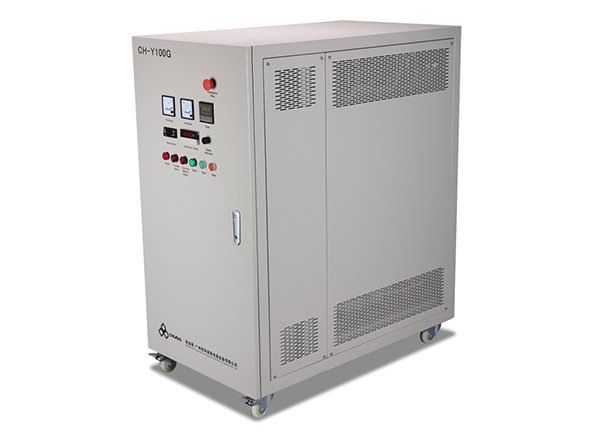
Ozone for hatcheries is a powerful water treatment solution that eliminates bacteria, viruses, and parasites by oxidizing organic matter on contact. By utilizing an ozone generator for aquaculture, hatchery managers can achieve superior water disinfection, enhance dissolved oxygen levels, and significantly reduce larval mortality rates without leaving harmful chemical residues in the delicate nursery environment.
Introduction: The High Stakes of Larval Health
Maintaining a hatchery is a race against biology. In the early stages of life, fish and shrimp larvae are exceptionally vulnerable, possessing undeveloped immune systems that make them easy targets for opportunistic pathogens. A single outbreak of Vibrio or a fungal infection can wipe out an entire cohort in a matter of hours, leading to devastating financial losses.
You’ve likely tried traditional disinfection methods—UV sterilization, chlorination, or massive water exchanges—only to find they either fall short of total sterilization or introduce toxic byproducts that stress the very organisms you are trying to save.
This article provides a deep dive into how ozone technology serves as the ultimate biosecurity shield. We will explore the science of oxidation, the practical integration of ozone systems, and how to balance aggressive disinfection with the delicate needs of sensitive larvae.
—
Why Hatcheries are Pathogen Hotspots
Hatcheries are unique environments. Unlike open-pond aquaculture, hatcheries operate at high stocking densities with high organic loads (from specialized feeds and metabolic waste). This creates a “perfect storm” for microbial growth.
The Problem with High Organic Loads
Excess protein and unconsumed feed lead to high levels of Total Suspended Solids (TSS). These solids act as “armor” for bacteria, shielding them from UV light. Ozone, however, is an oxidizer that physically breaks down these solids, stripping away the protection pathogens rely on.
The Limitations of Traditional Disinfection
• UV Sterilization: Requires extremely clear water to be effective. If the water is turbid, pathogens “shadow” behind particles and survive.
• Chlorination: Effective, but requires neutralization (dechlorination). Any residual chlorine or chloramines can cause gill damage and developmental deformities in larvae.
—
The Science of Ozone in Aquaculture
Ozone (O3) is an unstable gas comprised of three oxygen atoms. Because it is highly reactive, it seeks to return to its stable state (O2) by releasing a single oxygen atom that oxidizes organic compounds and microorganisms.
How Ozone Neutralizes Pathogens
When ozone in aquaculture is applied, it destroys the cell walls of bacteria and the protein coats of viruses through a process called lysis. Unlike antibiotics, to which bacteria can develop resistance, no pathogen can become “immune” to the oxidative power of ozone.
Micro-Flocculation: Clearer Water, Healthier Larvae
Beyond killing germs, ozone acts as a micro-flocculant. It causes fine particles to clump together, making them easier to remove via protein skimmers or sand filters. This results in “crystal clear” water, which reduces the physiological stress on larvae.
—
Key Benefits of Using an Ozone Generator for Aquaculture
Investing in a high-quality ozone generator for aquaculture offers multifaceted advantages that go beyond simple disinfection.
1. Eradication of Resistant Pathogens
Ozone is highly effective against notorious hatchery threats, including:
• Vibrio species: The leading cause of Early Mortality Syndrome (EMS).
• Nodavirus: A devastating viral threat in marine hatcheries.
• Fungal spores: Preventing “fuzz” on egg masses.
2. Reduction of Nitrite (NO2)
Nitrite is toxic to larvae as it interferes with their ability to carry oxygen in the blood. Ozone directly oxidizes nitrite into nitrate (NO3), which is significantly less toxic, providing an extra layer of safety in Recirculating Aquaculture Systems (RAS).
3. Increased Dissolved Oxygen
As ozone decays, it reverts into pure oxygen. This naturally boosts the dissolved oxygen (DO) levels in the hatchery tanks, supporting the high metabolic demands of rapidly growing larvae.
Pro-Tip: Monitoring is Mandatory
While ozone is a miracle worker, “too much of a good thing” is dangerous. Always use an ORP (Oxidation-Reduction Potential) controller. For most hatcheries, maintaining an ORP between 250mV and 350mV provides maximum disinfection without harming the larvae.
—
Implementing Ozone: From Intake to Larval Tanks
How do you safely integrate ozone into a hatchery workflow? It isn’t as simple as bubbling gas into a tank. It requires a structured approach.
Step 1: Pre-treatment (The Intake)
Most hatcheries use ozone at the point of intake. Treating raw seawater or well water ensures that no “wild” pathogens enter the facility.
Step 2: The Contact Chamber
Ozone must be dissolved into the water using a Venturi injector or a reaction column. The water should stay in contact with the ozone for several minutes to ensure a complete “kill” of pathogens.
Step 3: De-ozonation (The Safety Gap)
This is the most critical step. Residual ozone is toxic to larvae. Before the treated water reaches the larval rearing tanks, it must pass through a de-ozonation process. This is typically achieved via:
• GAC (Granular Activated Carbon): Effectively strips residual ozone.
• Degassing Towers: Allows the gas to dissipate naturally.
• UV Radiation: High-dose UV can break down residual ozone molecules.
—
Economic Impact: ROI of Ozone Systems
While the initial cost of an ozone generator for aquaculture can be significant, the Return on Investment (ROI) is usually realized within the first few harvest cycles.
| Feature | Without Ozone | With Ozone |
|---|---|---|
| Survival Rate | 30% – 50% (Variable) | 70% – 90% (Consistent) |
| Chemical Costs | High (Chlorine, Antibiotics) | Low (Ozone is generated from air) |
| Water Exchange | Frequent (High Pumping Costs) | Minimal (Reduced Water Usage) |
| Growth Rate | Stunted by pathogen stress | Optimized due to high water quality |
—
Expert Insights: Addressing the “Sensitive Larvae” Concern
A common myth is that ozone is “too harsh” for sensitive larvae like shrimp zoea or delicate marine finfish.
Expert Insight: “Ozone doesn’t hurt larvae; residual ozone hurts larvae. When managed correctly with an ORP-controlled loop, ozone creates a sterile environment that allows the larval immune system to focus on growth rather than fighting off infections. The result is a more robust post-larvae (PL) that performs better in the grow-out phase.”
—
Frequently Asked Questions (FAQ)
1. Is ozone safe for shrimp hatcheries?
Yes. Ozone is widely used in shrimp hatcheries to combat Vibrio and WSSV (White Spot Syndrome Virus). It is particularly effective during the nauplius and zoea stages when larvae are most vulnerable to bacterial blooms.
2. How do I know if my ozone levels are too high?
The most accurate way is to measure the ORP. If ORP levels exceed 400mV, there is a risk of tissue damage to the larvae. You can also use “DPD” test kits to check for residual oxidants in the water.
3. Can ozone replace biofilters?
No. Ozone and biofilters work together. Ozone removes the “heavy lifting” of organic matter and nitrites, which actually makes the biofilter more efficient by preventing it from becoming clogged with sludge.
4. Does ozone affect the pH of the water?
Ozone has a neutral effect on pH. Unlike some chemical disinfectants that can cause the water to become more acidic or alkaline, ozone keeps the water chemistry stable.
5. What maintenance does an ozone generator require?
Modern generators require minimal maintenance. Key tasks include checking the air prep system (desiccant dryers) to ensure the incoming air is dry and cleaning the corona discharge cells once or twice a year to maintain efficiency.
—
Conclusion: The Future of Biosecure Hatcheries
In an era where antibiotic resistance is a global concern and environmental regulations are tightening, ozone in aquaculture stands out as the most sustainable and effective disinfection method available. By integrating an ozone generator for aquaculture, hatchery operators can ensure their sensitive larvae are protected by a “wall of oxidation” that leaves no trace behind—only clean, oxygen-rich water.
Ready to boost your hatchery’s survival rates?
Consult with an aquaculture engineer today to design a custom ozone solution tailored to your species and flow rates. Don’t leave your biosecurity to chance—protect your investment with the power of ozone.