To optimize Recirculating Aquaculture Systems (RAS), ozone technology is used to disinfect water, remove organic colloids, and eliminate nitrites. By integrating an industrial-grade ozone generator for aquaculture, farm managers can achieve superior water clarity, reduce pathogen loads, and significantly enhance fish growth rates through a more stable and oxygen-rich aquatic environment.
Introduction: The Evolution of Modern Fish Farming
Maintaining a delicate biological balance is the greatest challenge in land-based fish farming. As global demand for protein rises, Recirculating Aquaculture Systems (RAS) have become the gold standard for sustainable production. However, as stocking densities increase, so does the accumulation of organic waste, fine solids, and dissolved organic compounds (DOC).
You may have noticed that traditional biofiltration often struggles to keep up with high feed loads, leading to “yellow water” and spiked nitrite levels. This is where advanced oxidation enters the frame. By implementing ozone in aquaculture, producers can bridge the gap between “surviving” and “thriving.”
In this guide, we will explore the technical nuances of ozone integration, the mechanical benefits of ozone generators, and how to calibrate your system for maximum ROI.
—
The Science of Ozone in Aquaculture
Ozone (O3) is a powerful oxidizing agent—significantly more potent than chlorine—that reverts to pure oxygen after its reaction. In an RAS environment, ozone serves three primary functions: micro-flocculation, disinfection, and chemical oxidation.
1. Micro-flocculation of Fine Solids
Traditional drum filters are excellent at removing large particles, but fine, colloidal solids often pass right through. Ozone acts as a “micro-flocculant,” clumping these microscopic particles together so they can be easily trapped by sand filters or protein skimmers.
2. Elimination of Nitrites (NO2)
Nitrite is a persistent threat in RAS, often causing “brown blood disease” in fish. While biofilters eventually convert nitrite to nitrate, ozone provides an immediate chemical safety net by oxidizing nitrite (NO2) directly into nitrate (NO3).
3. Removal of Dissolved Organic Compounds (DOC)
Have you noticed a yellowish tint in your tank water? That is the result of tannin and lignin buildup. Ozone breaks the carbon bonds in these organic molecules, bleaching the water to crystal clarity and allowing better light penetration and visual monitoring.
—
Why Every Modern RAS Needs an Ozone Generator for Aquaculture
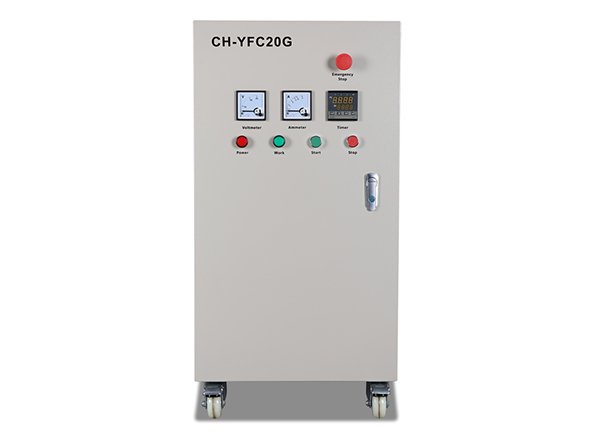
Investing in a high-quality ozone generator for aquaculture is no longer a luxury; it is a biosecurity necessity. These units generate ozone by passing dried air or concentrated oxygen through a high-voltage corona discharge.
Expert Insight: Always prioritize oxygen-fed ozone generators over air-fed units. Oxygen-fed systems produce higher concentrations of ozone and prevent the formation of nitric acid, which can damage your equipment and lower your pH.
Benefits of Ozone Integration:
• Reduced Water Exchange: Higher water quality means you can recirculate a higher percentage of water, reducing your environmental footprint.
• Pathogen Control: Ozone effectively inactivates bacteria, viruses, and fungi (such as Aeromonas and Vibrio) that thrive in high-density tanks.
• Enhanced Growth Rates: Clean water reduces physiological stress on the fish, leading to better Feed Conversion Ratios (FCR).
—
Strategic Implementation: Where Does Ozone Go?
You cannot simply “bubble” ozone into a fish tank. Because ozone is toxic to aquatic life in high concentrations, it must be managed through a “Side-Stream” or “Contact Chamber” approach.
The Contact Chamber
The ozone gas is injected into a sealed contact chamber or a protein skimmer. Here, the gas-to-liquid transfer occurs. The goal is to provide enough “contact time” for the ozone to react with organic matter before the water returns to the main culture tanks.
Monitoring ORP (Oxidation-Reduction Potential)
The most critical component of an ozone setup is the ORP controller. ORP measures the “cleansing power” of the water in millivolts (mV).
• Safe Range: 250mV to 350mV.
• Danger Zone: Above 400mV (can cause gill damage).
Pro-Tip: Install a “de-ozonation” step after the contact chamber. Using a UV sterilizer or a GAC (Granular Activated Carbon) filter ensures that zero residual ozone enters the fish holding area.
—
Comparative Analysis: Ozone vs. Traditional UV Sterilization
| Feature | Ozone Technology | UV Sterilization |
|---|---|---|
| Primary Function | Oxidation & Disinfection | Disinfection Only |
| Water Clarity | Significant Improvement | Minimal Impact |
| Solids Removal | Helps flocculate fine solids | No effect on solids |
| Residual Effect | Can be monitored via ORP | No residual measurement |
| Maintenance | Requires probe calibration | Requires bulb replacement |
While UV is excellent for DNA-level sterilization, it does nothing to remove the organic “muck” that clouds the water. Ozone in aquaculture solves the root cause of poor water quality rather than just treating the symptoms.
—
Maintenance and Safety Protocols
Operating an ozone generator for aquaculture requires a commitment to safety. Ozone is a lung irritant for humans and a gill irritant for fish.
• Ambient Leak Sensors: Install ozone gas detectors in the equipment room. If a leak is detected, the system should automatically shut down the generator.
• Probe Cleaning: ORP probes are prone to “bio-fouling.” Clean and calibrate your sensors at least once a month to ensure accurate readings.
• Check Valves: Always use ozone-compatible check valves (Kynar or PTFE) to prevent water from backing up into the generator.
—
Economics of Ozone: Is the ROI There?
Many farm managers hesitate at the initial CAPEX of an industrial ozone system. However, the OPEX (Operating Expenditure) tells a different story.
By reducing the mortality rate by just 5-10% and improving the Feed Conversion Ratio, most ozone systems pay for themselves within 18 to 24 months. Furthermore, the ability to maintain higher stocking densities without crashing the system allows for greater scaling potential.
—
Frequently Asked Questions (FAQ)
1. Is ozone safe for all types of fish and shrimp?
Yes, when managed correctly via ORP controllers. Most species thrive in water maintained between 250-300 mV. However, sensitive species like larval shrimp require more precise dosing and rigorous de-ozonation.
2. How do I determine what size ozone generator I need?
The general rule of thumb for RAS is 10-15 grams of ozone per kilogram of feed per day. However, this varies based on your water exchange rate and the efficiency of your mechanical filtration.
3. Does ozone affect the beneficial bacteria in my biofilter?
If the ozone is injected before the biofilter, it actually helps the bacteria by reducing the organic load they have to process. However, residual ozone should never reach the biofilter, as it will kill the nitrifying bacteria.
4. Can ozone remove odors from the facility?
Absolutely. Ozone is highly effective at neutralizing “earthy” smells (like Geosmin) often found in recirculating systems, which can also improve the flavor profile of the fish.
5. What materials are resistant to ozone?
When installing an ozone generator for aquaculture, ensure your piping is made of 316L Stainless Steel, PTFE (Teflon), or high-quality PVC (Schedule 80). Avoid natural rubber or low-grade plastics.
—
Conclusion: Future-Proofing Your Aquaculture Business
The integration of ozone in aquaculture represents the pinnacle of modern water management. By effectively removing dissolved organics, oxidizing harmful nitrites, and providing unparalleled water clarity, ozone technology allows farmers to push the boundaries of what RAS can achieve.
If you are looking to increase your biosecurity, improve fish health, and optimize your system’s efficiency, now is the time to evaluate your oxidation strategy. A robust ozone generator for aquaculture is more than just a piece of equipment—it is an insurance policy for your livestock and a catalyst for your farm’s profitability.
Ready to upgrade your water quality? Contact an aquaculture engineering specialist today to design a custom ozone solution tailored to your specific biomass and production goals.