An ozone generator function is centered on the production of O3 (trioxygen) molecules to neutralize odors, kill bacteria, and eliminate mold spores through a process called oxidation. Unlike traditional air purifiers that use HEPA filters to trap particles, an ozone generator changes the chemical composition of pollutants in the air and on surfaces. This guide provides an in-depth look at the mechanics, science, and safety protocols required to utilize ozone technology effectively.
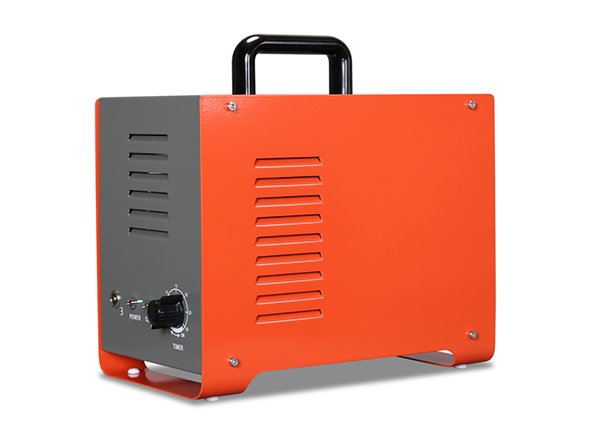
By reading this guide, you will gain a professional-level understanding of the “corona discharge” and “UV radiation” methods of ozone production, the specific chemical reactions that occur during air treatment, and the critical safety steps necessary to protect your health while achieving a sterilized environment.
How Does an Ozone Generator Work? The Science of O3
To understand an ozone generator function, one must first understand the ozone molecule itself. The oxygen we breathe is O2—two oxygen atoms bonded together. Ozone is O3—three oxygen atoms bonded together. This third atom is highly unstable and seeks to attach itself to other organic molecules.
The Oxidation Process
When the generator releases O3 into a room, the extra oxygen atom detaches and attaches itself to pollutant molecules such as smoke, VOCs (Volatile Organic Compounds), or bacteria. This process, known as oxidation, breaks down the molecular structure of the pollutant.
Once the reaction is complete, the pollutant is typically rendered inert or transformed into a harmless substance, and the O3 molecule reverts back into breathable O2 (oxygen). This is why ozone is often referred to as “nature’s most powerful disinfectant.”
Primary Methods of Ozone Production
Commercial and residential ozone generators typically use one of two primary methods to create O3 from ambient air.
1. Corona Discharge
The most common and efficient method for high-output ozone generation is corona discharge. This process mimics the way lightning creates ozone during a thunderstorm.
• The Mechanism: The machine pulls in ambient air and passes it through a high-voltage electrical field (the “corona”).
• The Reaction: The electrical energy splits the O2 molecules into individual oxygen atoms. These “singlet” atoms quickly bond with surrounding O2 molecules to create O3.
• The Output: This method produces high concentrations of ozone, making it ideal for “shock treatments” in restoration projects.
2. Ultraviolet (UV) Radiation
UV ozone generators use a specific wavelength of ultraviolet light (usually around 185 nanometers) to split oxygen molecules.
• The Mechanism: Ambient air is passed over UV lamps.
• The Reaction: The UV light breaks the molecular bonds of oxygen, similar to how the sun creates the ozone layer in the upper atmosphere.
• The Output: UV systems generally produce lower concentrations of ozone than corona discharge systems. They are often found in water treatment systems or small-scale air purifiers.
Common Applications for Ozone Generator Function
Because of its aggressive oxidation properties, ozone is used in various industrial and residential scenarios where traditional cleaning fails.
Smoke and Fire Damage Restoration
Ozone is the industry standard for removing the smell of smoke. Because ozone is a gas, it can penetrate porous surfaces such as upholstery, curtains, and even drywall to reach the microscopic smoke particles trapped inside.
Mold and Mildew Remediation
While ozone should not be the only tool used for mold, it is highly effective at killing airborne mold spores. In a high-concentration “shock treatment,” the ozone generator function disrupts the cell walls of fungi, preventing reproduction.
Dealing with “Stink” (Pet and Biological Odors)
From veterinary clinics to rental properties, ozone is used to neutralize ammonia smells from pet urine or the lingering scent of decay. It doesn’t mask the smell with perfume; it destroys the source of the odor at a molecular level.
Hypothetical Case Study: The “Smoker’s Apartment” Transformation
Consider a 1,000-square-foot apartment previously occupied by a heavy smoker for ten years. Standard deep cleaning and painting might mask the smell, but the odor usually returns when the humidity rises.
The Solution: A professional restoration team uses a high-output corona discharge ozone generator.
• Step 1: The apartment is sealed, and all living things (plants, pets, people) are removed.
• Step 2: The generator is set to run for 6 hours, saturating the space with O3.
• Step 3: After the cycle, the space remains sealed for another 2 hours to allow the O3 to dissipate back into O2.
• The Result: The chemical bonds of the nicotine and tar residues are broken. The apartment smells “rain-fresh” because the pollutants no longer exist.
Critical Safety Protocols for Ozone Generation
The very characteristic that makes ozone effective—its reactivity—also makes it a respiratory irritant. Safety is the most important aspect of any ozone generator function.
The “Vacant Space” Rule
Ozone is toxic to humans, animals, and plants. It can cause chest pain, coughing, and shortness of breath.
• Never operate a high-output ozone generator in an occupied room.
• Remove all pets, including fish (ozone can affect water chemistry).
• Cover or remove plants, as ozone will oxidize plant tissue and kill them.
Managing Materials Sensitive to Oxidation
Frequent or prolonged exposure to high levels of ozone can damage certain materials.
• Natural Rubber: Ozone will cause rubber to become brittle and crack (this includes elastic in clothing or seals in appliances).
• Synthetic Fibers: Some carpets or paddings may degrade over time if treated repeatedly.
• Artwork: Oil paintings and certain dyes can be affected by the oxidation process.
Step-by-Step Guide: How to Use an Ozone Generator Safely
• Clean the Area: Remove the source of the odor first (e.g., clean up the spill, remove the trash). Ozone is for the lingering molecules, not the bulk waste.
• Set the Timer: Most modern units have built-in timers. Calculate the time needed based on the square footage and the intensity of the odor.
• Seal the Room: Close all windows and doors. Use painters’ tape to seal gaps under doors if necessary.
• The Wait Period: Once the machine turns off, wait at least 1 to 2 hours before re-entering. This allows the O3 to naturally decay back into O2.
• Ventilate: Open windows upon re-entry to flush out any remaining “metallic” ozone scent.
FAQ: Common Questions About Ozone Generators
Can I stay in the house while an ozone generator is running?
No. You should not stay in the same room or even the same house if the HVAC system is circulating the air. High levels of ozone are hazardous to the lungs and mucous membranes. Always follow the “vacant space” protocol.
Does an ozone generator remove dust?
No. An ozone generator function is chemical, not mechanical. It does not filter air or remove physical particles like dust, hair, or dander. For dust removal, you need an air purifier with a HEPA filter.
How long does the “ozone smell” last?
After a treatment and proper ventilation, the distinct “after-rain” or metallic smell of ozone usually dissipates within a few hours. If the smell persists, it usually means the area needs more ventilation.
Will ozone kill bed bugs?
While extremely high concentrations of ozone can kill insects, the levels required are dangerous and could damage your home’s infrastructure (rubber, wires). Ozone is not a recommended primary treatment for pest control.
Conclusion: Harnessing the Power of Oxidation
The ozone generator function is one of the most powerful tools in a homeowner’s or professional cleaner’s arsenal. By utilizing the natural power of O3 to oxidize pollutants, these machines solve odor and microbial problems that chemicals and scrubbing simply cannot touch.
However, with great power comes the need for great caution. Always prioritize safety by ensuring the treatment area is vacant and allowing ample time for the ozone to revert to oxygen. When used correctly, an ozone generator doesn’t just clean the air—it restores it to a pristine, molecularly balanced state.
Ready to refresh your environment? Always ensure you choose a machine rated for your specific square footage and read the manufacturer’s safety manual thoroughly before your first shock treatment.