If you are struggling with stubborn odors that deep cleaning and sprays cannot touch, an ozone machine for smells is the most effective industrial-strength solution available. Unlike air fresheners that mask scents, an ozone generator uses activated oxygen (O3) to seek out and chemically destroy odor-causing molecules at their source. Whether you are dealing with cigarette smoke, pet accidents, or musty basement odors, ozone technology provides a permanent fix by oxidizing organic and inorganic matter in the air and on surfaces.
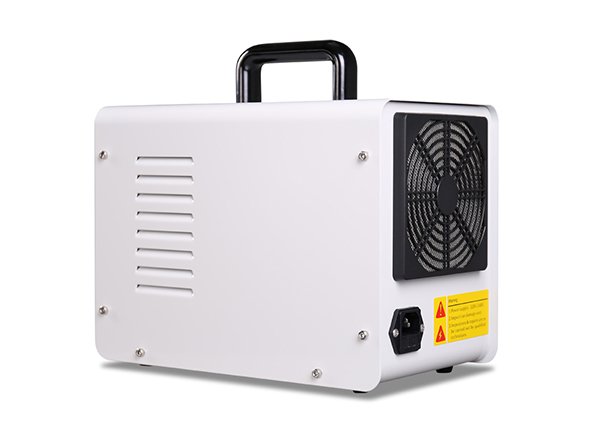
In this comprehensive guide, you will learn exactly how ozone machines work, the critical safety protocols you must follow to protect your health, and a step-by-step process for performing a “shock treatment” to restore your home or vehicle to a neutral, fresh scent.
How Ozone Technology Actually Destroys Odors
To understand why an ozone machine for smells is so effective, you have to look at the chemistry of the O3 molecule. The oxygen we breathe is O2 (two oxygen atoms). An ozone generator uses a high-voltage discharge—similar to lightning—to break O2 molecules apart, allowing them to reform into O3.
This third oxygen atom is highly unstable and “wants” to detach itself. When it encounters a pollutant, such as a volatile organic compound (VOC) or a bacteria cell, the third atom attaches to the odor molecule and oxidizes it. This process effectively changes the chemical composition of the smell, rendering it odorless and harmless. Once the process is complete, the O3 reverts back into plain O2, leaving no chemical residue behind.
Common Use Cases for Ozone Generators
Professional restoration companies and car detailers have used these machines for decades. Here are the most common scenarios where an ozone machine is the best tool for the job:
1. Removing Cigarette and Fire Smoke
Smoke molecules are incredibly small and porous; they sink deep into drywall, upholstery, and carpeting. Traditional cleaning rarely reaches these depths. Ozone gas, however, permeates every crack and crevice, neutralizing the tar and nicotine residues that cause the lingering “stale” smell.
2. Eliminating Pet Odors
Even the best-trained pets can leave behind odors from dander or accidents. If a home smells like a “wet dog” or has deep-seated urine scents in the subflooring, an ozone shock treatment can break down the proteins in the organic waste that feed odor-causing bacteria.
3. Mold and Mildew Remediation
While ozone should not be used as a substitute for physically removing mold, it is an excellent secondary treatment. It kills airborne mold spores and neutralizes the “musty” smell associated with damp basements or water-damaged properties.
4. Vehicle Detailing
If you’ve purchased a used car that smells like the previous owner’s perfume or tobacco use, a 30-minute ozone treatment in the cabin can make the interior smell like it just rolled off the factory floor.
Essential Safety Protocols: The “No-Occupant” Rule
Before you turn on an ozone machine for smells, you must understand that ozone is a powerful lung irritant. It is not safe for humans, pets, or plants to be in the room while the machine is running.
• Clear the Area: Ensure all people and pets are out of the building or vehicle.
• Remove Plants: Ozone can damage or kill indoor plants by oxidizing their tissues.
• Cover Electronics: In high concentrations and frequent use, ozone can degrade natural rubber and certain types of wire insulation. For a standard one-time treatment, this is rarely an issue, but it is worth noting for high-output industrial machines.
• The “Wait Time” Rule: After the machine finishes its cycle, you must wait at least 30 to 60 minutes for the O3 to dissipate back into O2 before re-entering the space.
Step-by-Step: How to Use an Ozone Machine for Smells
Follow this professional protocol to ensure maximum odor elimination and total safety.
Step 1: Deep Clean the Area First
Ozone is a finisher, not a janitor. If there is a pile of trash or a soiled carpet, the smell will return once the machine is off. Remove the physical source of the odor first. Vacuum, mop, and wipe down surfaces.
Step 2: Set Up the Machine
Place the ozone generator in a central location, preferably high up (on a table or ladder). Because ozone is heavier than air, it will sink, so elevating the machine helps it distribute more evenly throughout the room.
Step 3: Set the Timer
For a standard bedroom with light odors, 30 to 60 minutes is often sufficient. For a house with heavy smoke damage, you may need to run the machine for 4 to 10 hours in stages. Never run a machine for more than 12 hours at a time.
Step 4: Seal the Room
Close all windows and doors. If you are treating a specific room, use a towel to block the gap under the door to prevent ozone from leaking into the rest of the house.
Step 5: The “Air Out” Period
Once the timer goes off, the ozone needs time to settle. Wait 1 hour, then enter the room briefly to open windows and provide ventilation. Leave again for another 30 minutes while the fresh air circulates.
Case Study: Treating a 2,000 Sq. Ft. “Smoker’s Home”
Consider a real-world scenario where a homeowner inherited a property from a heavy smoker. Despite painting the walls, the smell persisted.
• The Strategy: The homeowner rented an industrial 10,000 mg/h ozone generator.
• The Execution: They treated the house section by section over a weekend. They ran the machine for 4 hours in the living area, followed by a 2-hour dissipation period.
• The Result: By the end of the second day, the chemical bond of the nicotine residue was broken. The “yellow” smell was gone, replaced by a clean, “after-rain” scent.
Choosing the Right Ozone Machine
When shopping for an ozone machine for smells, look for these three specifications:
• Mg/h Output: This stands for milligrams per hour. For home use, a machine with 5,000 to 10,000 mg/h is standard.
• Timer Function: Never buy a machine that doesn’t have an automatic shut-off timer.
• Portability: Look for a unit with a sturdy handle, as you will likely move it from room to room.
FAQ: Frequently Asked Questions
Does ozone kill mold?
Ozone can kill airborne mold spores and inhibit growth on surfaces, but it will not kill mold that has grown deep into porous materials like drywall or wood. You must remove the moisture source and the physical mold first.
How long does the “ozone smell” last?
After treatment, a faint “clovery” or “electric” smell may linger for 24 hours. This is normal and is simply the scent of the leftover ozone dissipating. Proper ventilation speeds up this process.
Is an ozone machine the same as an air purifier?
No. Standard air purifiers (HEPA) use filters to trap dust and dander and are safe to run while you are in the room. An ozone machine is a remediation tool that uses a chemical process and should only be used in unoccupied spaces.
Can I use an ozone machine in my car?
Yes, it is one of the best ways to remove car smells. Simply place the machine on the floorboard, run a cord through the window (and seal the gap with tape), and run it for 30 minutes with the AC on “recirculate” to clean the ductwork.
Conclusion: Breathe Clean Air Again
An ozone machine for smells is the ultimate “reset button” for your indoor environment. By following the safety protocols and ensuring the space is unoccupied, you can eliminate odors that have plagued your home or vehicle for years.
Ready to reclaim your space? Start by deep cleaning the target area today, then select a high-quality ozone generator to finish the job. If the odor is severe—such as after a major house fire—consider contacting a professional restoration service to handle the high-output equipment for you.