An ozone generator is a device used to produce the gas ozone (O3) for the purpose of eliminating strong odors, killing mold and bacteria, and neutralizing volatile organic compounds (VOCs). Unlike traditional air purifiers that use filters to trap particles, an ozone generator uses a chemical process called oxidation to break down pollutants at the molecular level. It is most commonly used by professionals for fire damage restoration, mold remediation, and deep-cleaning vehicles or hotel rooms where conventional cleaning methods have failed.
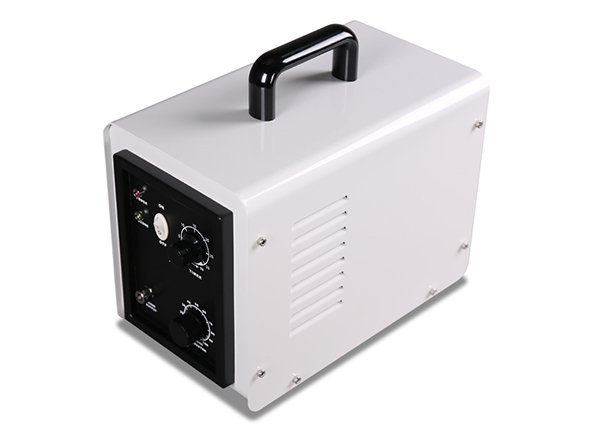
By reading this guide, you will understand the science behind ozone production, the specific industries that rely on it, and the strict safety protocols required to use this powerful tool without risking your health.
How an Ozone Generator Works: The Science of O3
To understand what an ozone generator is used for, you must first understand the molecule it creates. Most of the oxygen we breathe exists as O2. An ozone generator uses either corona discharge (a high-voltage electrical discharge) or UV radiation to split these O2 molecules into single atoms. These rogue atoms then attach themselves to other O2 molecules, creating O3, or “activated oxygen.”
Ozone is highly unstable. When the third oxygen atom encounters a pollutant—such as a smoke molecule or a mold spore—it detaches and oxidizes the contaminant. This process effectively changes the chemical composition of the pollutant, rendering it odorless or inert. Once the reaction is complete, the ozone reverts back into breathable oxygen (O_2), leaving no chemical residue behind.
Primary Use Case: Smoke Damage and Odor Removal
The most frequent application for ozone generators is the permanent removal of smoke odors. Whether the source is a house fire, long-term cigarette use, or a kitchen mishap, smoke molecules are incredibly small and porous, allowing them to lodge deep within walls, carpets, and furniture.
• Cigarette Smoke: In “smoking rooms” or homes previously owned by smokers, the smell of nicotine and tar can linger for years. Ozone generators are used to perform a “shock treatment” that penetrates the surfaces and neutralizes the chemical compounds responsible for the stench.
• Fire Restoration: After a structural fire, the smell of charred wood and plastic is toxic. Professional restoration teams use high-output ozone machines to clear the air and ensure the property is habitable again.
• Cooking Odors: Persistent smells from grease, spices (like curry), or burnt food are easily dismantled by the oxidation process.
Use Case: Mold and Mildew Remediation
While an ozone generator should never be the only tool used for mold (as the physical colony must be removed), it is a vital secondary step. When mold grows, it releases mycotoxins and fungal spores into the air.
Ozone generators are used to kill airborne mold spores and prevent them from spreading to other parts of a building. In damp environments like basements or crawl spaces, ozone can reach into crevices where liquid cleaners cannot. By oxidizing the outer shell of the spore, the ozone renders it unable to reproduce, effectively stopping the biological growth cycle.
Use Case: Vehicle Detailing and Restoration
Car detailers frequently use portable ozone generators to restore the “new car smell” or remove bio-hazards. Because cars have many inaccessible areas—such as deep inside the HVAC vents and under the upholstery—gaseous ozone is the perfect solution.
• Removing Pet Odors: If a pet has an accident or simply leaves a “wet dog” smell in a vehicle, ozone can neutralize the organic proteins.
• Eliminating Bacteria: Ozone is an effective disinfectant. It is used to sanitize vehicles that have been exposed to high levels of bacteria or viruses.
• Spilled Food and Milk: Anyone who has spilled milk in a car knows the smell is nearly impossible to remove. Ozone breaks down the organic compounds that cause the sour odor.
Use Case: Hospitality and Rental Turnovers
In the hotel and short-term rental industry (Airbnb), time is money. If a guest smokes in a non-smoking room, the hotel cannot rent that room the next night without a deep clean.
Hotel staff use industrial-grade ozone generators to treat rooms for 30 to 60 minutes between guests. This quickly resets the room’s atmosphere, ensuring a fresh experience for the next occupant. This application is also common in real estate, where agents use ozone to prepare a “stale” house for an open home.
Step-by-Step: How to Safely Use an Ozone Generator
Ozone is a powerful lung irritant. According to the EPA, ozone that is effective enough to remove odors is also at a high enough concentration to be hazardous to humans and pets. To use one for its intended purpose, you must follow these steps:
1. The “Vacant” Rule
The space being treated must be entirely empty. This includes humans, pets, and even indoor plants. Ozone will damage the lung tissue of animals and can cause plants to wither and die.
2. Seal the Environment
Close all windows and doors. If you are treating a specific room, use painter’s tape and plastic sheeting to seal the gaps under the doors to prevent ozone from leaking into the rest of the house.
3. Set the Timer
Most generators have a built-in timer. For a standard bedroom, 30–60 minutes is usually sufficient. For a whole-house “shock treatment,” it may require 4 to 10 hours depending on the machine’s output (measured in mg/hr).
4. The Waiting Period (The 2-Hour Rule)
After the machine turns off, you must wait at least 2 hours before entering the space. This allows the O3 to naturally dissipate and turn back into O2. If you enter too early, you will notice a “bleach-like” smell and may experience coughing or chest tightness.
Hypothetical Case Study: The “Unsellable” Home
Consider a real estate investor, Sarah, who purchased a distressed property. The previous owner had lived there for 30 years and smoked indoors. The walls were yellowed, and the smell was overwhelming.
Sarah tried washing the walls with TSP and painting with odor-blocking primer, but the smell returned within days. She hired a professional restoration company that used two high-output ozone generators (10,000 mg/hr) for a 12-hour shock treatment. By sealing the home and allowing the ozone to permeate the subflooring and HVAC ducts, the odor was completely neutralized. The home was listed the following week and sold for its full asking price.
Ozone Generators vs. HEPA Air Purifiers: What’s the Difference?
Many consumers confuse these two devices. It is important to know which one you need:
• HEPA Air Purifiers: Designed for continuous use while people are in the room. They use a fan to pull air through a filter, trapping dust, pollen, and pet dander. They do not “kill” odors; they trap the particles that carry them.
• Ozone Generators: Designed for temporary, unoccupied use. They do not filter the air of dust; they chemically destroy the odor-causing molecules through oxidation.
FAQ Section
Are ozone generators safe for home use?
Ozone generators are safe only when used in unoccupied spaces. Because ozone reacts with biological tissue, it can cause respiratory distress, aggravate asthma, and damage the lungs if inhaled in high concentrations. Always follow the manufacturer’s safety guidelines and ensure the area is well-ventilated after treatment.
Does ozone remove the smell of mold permanently?
Ozone will remove the smell of mold and kill airborne spores, but it will not fix the root cause. If you have a water leak or high humidity, the mold will return. You must remove the physical mold colony and fix the moisture issue before using ozone as a final deodorizing step.
How long does it take for ozone to dissipate?
Generally, it takes between 30 minutes and 2 hours for ozone to break down back into oxygen once the generator is turned off. To speed up this process, you can open windows and doors once it is safe to re-enter the area.
Can ozone damage my electronics or furniture?
Extended exposure to high concentrations of ozone can degrade certain materials, particularly natural rubber, some plastics, and carpet padding. For standard odor removal, this is rarely an issue, but “shock treatments” lasting more than 24 hours should be monitored carefully.
Conclusion: Making the Most of Ozone Technology
An ozone generator is an unparalleled tool for odor destruction and biological sanitization. Whether you are a property manager dealing with a difficult tenant, a car enthusiast restoring a classic find, or a homeowner recovering from a kitchen fire, these devices provide a molecular-level solution that traditional cleaning simply cannot match.
However, with great power comes the need for great caution. Always prioritize safety by ensuring the treatment area is vacant and allowing ample time for the ozone to revert to oxygen. When used correctly, an ozone generator is the ultimate “reset button” for your indoor air quality.
Ready to clear the air? Contact a local restoration professional or browse certified industrial ozone generators to start your remediation process today.