Ozone water filtration is a powerful, chemical-free water treatment process that utilizes trioxygen (O3) to oxidize organic matter, heavy metals, and biological contaminants. Unlike traditional filtration that simply “traps” particles, ozone actively destroys bacteria, viruses, and parasites while converting dissolved minerals like iron and sulfur into solid particles that can be easily filtered out. By reading this guide, you will gain a deep understanding of how ozone technology works, how it compares to reverse osmosis and chlorination, and whether it is the right investment for your specific water quality needs.
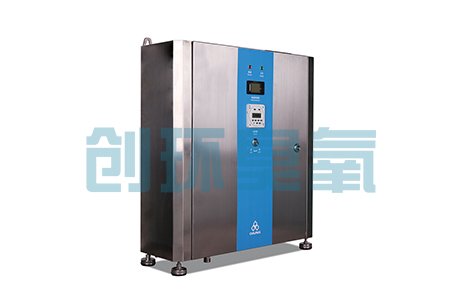
What is Ozone Water Filtration?
To understand ozone filtration, we must first look at the molecule itself. We breathe oxygen in the form of O2. Ozone is O3, meaning it contains a third oxygen atom. This third atom is highly unstable and seeks to bind with other molecules. When ozone is injected into water, this extra atom breaks away and “attacks” contaminants through a process called oxidation.
This reaction is incredibly fast. In fact, ozone is roughly 3,000 times faster at disinfecting water than chlorine, yet it leaves behind no chemical residue. Because ozone is an unstable gas, it cannot be stored in tanks; it must be generated on-site using specialized equipment. This makes the system an “active” treatment rather than a “passive” one.
How Does an Ozone Water System Work? (Step-by-Step)
An effective residential or commercial ozone system follows a precise four-stage cycle to ensure safety and purity.
1. Ozone Generation (Corona Discharge)
The process begins with an ozone generator. Most high-end systems use Corona Discharge technology, which mimics a miniature lightning strike. Air is passed through an electrical discharge field, stripping oxygen molecules apart so they can reform into O3.
2. Mass Transfer (The Venturi Effect)
Once generated, the ozone gas must be dissolved into the water. This is usually achieved via a Venturi injector, which creates a vacuum to pull the gas into the water stream. The goal is to maximize the surface area contact between the bubbles and the water.
3. Contact Time and Oxidation
The ozonated water enters a contact tank. Here, the ozone reacts with dissolved contaminants. It breaks down the cell walls of bacteria (like E. coli) and oxidizes dissolved minerals. For example, dissolved “clear-water” iron is converted into solid “ferric” iron flakes.
4. Filtration and Off-Gassing
Finally, the water passes through a physical filter (usually catalytic carbon or a multi-media bed) to remove the now-solidized minerals. Any remaining ozone gas is vented out safely through an ozone destruct valve, converting it back into harmless oxygen.
Key Benefits of Ozone Over Traditional Methods
Why choose ozone when there are cheaper alternatives? The benefits lie in the efficacy and the “clean” nature of the process.
• Total Elimination of “Rotten Egg” Odors: Hydrogen sulfide is the culprit behind that swampy water smell. Ozone oxidizes sulfur instantly, removing the odor at the source.
• No Chemical Byproducts: Chlorination often creates trihalomethanes (THMs), which are linked to health risks. Ozone leaves behind only pure oxygen.
• Effective Against Metal Contaminants: Ozone is unmatched in its ability to handle high concentrations of iron and manganese, preventing orange and black staining on fixtures.
• Microbial Destruction: It effectively neutralizes Cryptosporidium and Giardia, which are often resistant to standard chlorine levels.
Ozone vs. Chlorine vs. Reverse Osmosis
When choosing a system, it is vital to understand where ozone fits in the hierarchy of water treatment.
Ozone vs. Chlorine: Chlorine is a cheap disinfectant, but it requires long contact times (often 20–30 minutes) and leaves a distinct chemical taste. Ozone works in seconds and improves the taste of water by increasing dissolved oxygen levels.
Ozone vs. Reverse Osmosis (RO): RO is a “point-of-use” system typically installed under the kitchen sink. It removes dissolved solids by forcing water through a membrane. Ozone, however, is a Point-of-Entry (POE) solution. It treats every tap in the house. Most high-end luxury homes use Ozone as a “pre-treatment” to protect an RO system from being clogged by iron or bacteria.
Real-World Case Study: The “Iron-Rich” Well Water Crisis
Consider a hypothetical homeowner, Sarah, who lives in a rural area with deep well water. Sarah’s water tested positive for 5 ppm of iron and 2 ppm of hydrogen sulfide. Her laundry was stained orange, and the smell of sulfur was unbearable.
Traditional water softeners failed because the iron was “clear water iron” and fouled the resin beds. A standard carbon filter clogged within weeks. Sarah installed a Whole-House Ozone Filtration System.
The Result: The ozone oxidized the iron into large particles that her 5-micron sediment filter could catch. The sulfur was vaporized instantly. Within 24 hours of installation, her ORP (Oxidation-Reduction Potential) levels rose from a stagnant 200mV to a healthy 650mV, resulting in bottled-water quality from every faucet in her home.
Installation and Maintenance Requirements
An ozone system is a sophisticated piece of machinery. While it is more “automated” than a salt-based softener, it does require professional oversight.
• Air Preparation: Ozone generators work best with dry air. High-end systems include an air dryer to prevent nitric acid buildup inside the generator.
• Filter Backwashing: The physical filter that catches the oxidized iron must be backwashed regularly to clear out the “junk” it has collected.
• Annual Checkups: You should inspect the check valves and the corona discharge cell once a year to ensure there is no mineral buildup or moisture ingress.
What Does Ozone Water Filtration Cost?
Pricing for ozone systems varies based on the flow rate (Gallons Per Minute) and the concentration of contaminants.
• Residential Systems: Typically range from $3,000 to $7,000. While the upfront cost is higher than a standard charcoal filter, the lack of ongoing chemical or salt costs often leads to a “break-even” point within 4–5 years.
• Commercial/Industrial: These can range from $15,000 to $50,000+ and are used in bottling plants, breweries, and large-scale agriculture.
Safety Considerations
Is ozone safe? Yes, when managed correctly. Ozone is a powerful lung irritant in gas form. This is why professional systems are designed with an “ozone destruct” unit. This ensures that while the water is being treated with high doses of O3, the air inside your home remains perfectly safe. Always ensure your system is NSF/ANSI Standard 61 certified.
FAQ Section
Q: Does ozone water filtration remove fluoride?
A: No. Ozone is an oxidizer and disinfectant. It does not remove dissolved minerals like fluoride or calcium. For fluoride removal, you would need to pair your ozone system with an Activated Alumina filter or a Reverse Osmosis system.
Q: Can I drink ozonated water immediately?
A: Yes. In fact, most bottled water companies use ozone as the final disinfection step before sealing the bottle. The “extra” oxygen in the water can often give it a “crisper” and “fresher” taste compared to tap water.
Q: How long does an ozone generator last?
A: A high-quality corona discharge cell can last between 5 to 10 years before it needs replacement or professional cleaning, provided the air supply is kept dry and free of dust.
Q: Does ozone remove lead?
A: Ozone can help oxidize lead into a particulate form, making it easier to filter, but it is not the primary recommended method for lead removal. You should use a certified lead-reduction filter or RO system for heavy metal concerns like lead or arsenic.
Conclusion: Is Ozone Right for You?
Ozone water filtration represents the gold standard in water treatment for those seeking a chemical-free lifestyle. If you are struggling with persistent odors, heavy iron staining, or the presence of “iron bacteria,” ozone is likely the most effective solution available on the market today.
While the initial investment is higher than traditional filters, the long-term benefits of low maintenance, no chemical refills, and superior water clarity make it a preferred choice for premium residential properties. For the best results, always start with a comprehensive water test to determine your specific contaminant levels, and consult with a certified water specialist to size your ozone generator correctly.
Are you ready to transform your home’s water quality? Contact a local water treatment expert today to request an ozone feasibility test and experience the difference of oxygen-purified water.