Ozone odour removal is a chemical process where an ozone generator creates O3 molecules that oxidize and permanently destroy odor-causing bacteria, viruses, and volatile organic compounds (VOCs) at the molecular level. Unlike candles or sprays that mask scents, ozone physically alters the chemical structure of the pollutant, rendering it odorless. This guide provides the technical breakdown, safety protocols, and step-by-step procedures required to achieve a “clean room” environment in homes, vehicles, and commercial spaces.
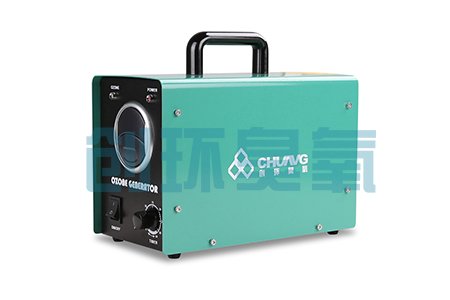
Whether you are battling the aftermath of a house fire, a persistent tobacco stench in a used car, or the lingering biological markers of pet accidents, ozone therapy is often the only way to achieve 100% remediation. However, because ozone is a powerful oxidant, it must be handled with professional-grade caution.
The Science of O3: How Ozone Destroys Odors
To understand why ozone odour removal is so effective, we must look at the chemistry of the “trioxygen” molecule. The air we breathe is O2 (two oxygen atoms). An ozone generator uses either a high-voltage “corona discharge” or UV light to split O2 molecules, which then reform into O3.
Ozone is inherently unstable. The third oxygen atom is loosely attached and seeks any opportunity to break away and bind with other substances. When this third atom encounters an odor molecule (such as a smoke particle or bacteria), it creates an oxidation reaction. This reaction breaks the chemical bonds of the pollutant. Once the reaction is complete, the ozone molecule reverts back into plain oxygen (O2), leaving no chemical residue—only a fresh, “after-rain” scent.
Common Use Cases for Ozone Treatment
While traditional deep cleaning removes surface grime, odors often penetrate “soft goods” and porous surfaces like drywall, insulation, and upholstery. Ozone is a gas, allowing it to permeate everywhere air can reach.
• Tobacco and Cannabis Smoke: Smoke particles are microscopic and oily. They stick to walls and seep into carpet padding. Ozone breaks down these resins effectively.
• Fire and Soot Restoration: After a fire, the smell of charred wood and plastic can linger for years. Professionals use “ozone shock treatment” to neutralize the acidic nature of soot odors.
• Mold and Mildew: While ozone should not be used as the primary method to “kill” massive mold colonies (remediation requires removal), it is excellent at killing airborne mold spores and removing the “musty” smell associated with damp basements.
• Biological and Pet Odors: Protein-based odors, such as urine or decay, contain nitrogen and sulfur. Ozone oxidizes these compounds instantly.
Professional Step-by-Step: The “Shock Treatment” Process
To perform ozone odour removal effectively, you cannot simply turn on a machine and walk away. A specific protocol must be followed to ensure both efficacy and safety.
1. Pre-Treatment Cleaning
Ozone is most effective when it doesn’t have to fight through physical layers of filth. You must remove the source of the smell first. If a pet urinated on the carpet, the carpet must be professionally cleaned. If there is fire damage, the charred debris must be removed. Ozone is the “finishing touch” that handles the molecules trapped in the pores of the building.
2. Calculating the Dosage
Not all odors require the same concentration. A small car with a light food smell may only need 30 minutes of treatment at a low output. A 2,000-square-foot home with 20 years of heavy tobacco use requires a high-output industrial generator running for 24 to 48 hours.
3. Total Evacuation
This is the most critical safety step. Ozone is a powerful lung irritant. Before the generator is activated, the following must be removed from the treatment area:
• All humans and pets.
• All indoor plants (ozone will kill them by oxidizing their tissues).
• Valuable artwork or delicate rubber (prolonged exposure can degrade natural rubber and certain oil paints).
4. The Treatment Phase
Place the ozone generator in a high location (ozone is heavier than air and will sink). Use a fan to circulate the gas throughout the room. Set the timer and exit the premises. Ensure all windows and doors are sealed to maintain the necessary concentration of O3 to achieve “shock” levels.
5. The Dissipation Period
After the machine turns off, you must wait. Usually, it takes 1 to 2 hours for the O3 to revert back into O2. Entering the room too early can cause respiratory distress, coughing, or headaches. Once you enter, open windows to provide cross-ventilation.
Safety Precautions and Risks
While ozone is a “green” technology because it leaves no chemical residue, it is not without risks. The EPA (Environmental Protection Agency) warns against using ozone generators in occupied spaces.
Exposure Risks:
• Respiratory Irritation: Ozone can cause shortness of breath and worsen asthma symptoms.
• Material Degradation: High-concentration ozone can “dry out” leather, degrade foam carpet padding, and cause rubber gaskets in electronics to become brittle.
• Chemical Reactions: If ozone reacts with certain perfumes or household chemicals, it can temporarily create formaldehyde or other particulates. This is why thorough cleaning before ozone treatment is essential.
Ozone vs. Hydroxyl Generators
A common question in the restoration industry is whether to use ozone or hydroxyl generators.
• Ozone is faster and more powerful but requires total evacuation. It is best for “unoccupied” shock treatments.
• Hydroxyl Generators use UV light and humidity to create hydroxyl radicals. They are slower than ozone but are safe to use while people and pets are present. If you cannot leave your home, a hydroxyl generator is your preferred alternative.
Hypothetical Case Study: The “Chain-Smoker” Rental Recovery
The Scenario: A property manager took over a 1-bedroom apartment where the previous tenant had smoked heavily for 10 years. Traditional painting and carpet cleaning reduced the smell by only 40%. The “stale” odor remained deeply embedded in the popcorn ceiling and kitchen cabinetry.
The Solution: A professional restoration team was called in for an ozone odour removal shock treatment.
• Day 1: The team scrubbed the walls with TSP (trisodium phosphate) and removed the carpets.
• Day 2: An industrial ozone generator (10,000 mg/hr output) was placed in the central living area. The HVAC system was set to “Fan On” to distribute the gas through the ductwork. The machine ran for 12 hours overnight.
• Day 3: The unit was aired out for 4 hours.
The Result: The “third-hand smoke” molecules were successfully oxidized. The apartment was rented 48 hours later with zero complaints of odor from the new tenants.
Comparison Table: Ozone vs. Traditional Deodorizers
| Feature | Ozone Treatment | Aerosol Sprays | Baking Soda/Carbon |
|---|---|---|---|
| Action | Chemical Destruction | Masking/Scenting | Absorption |
| Permanent? | Yes | No | Partial |
| Reach | Penetrates porous surfaces | Surface only | Contact only |
| Safety | Unoccupied spaces only | Generally safe | Very safe |
| Best For | Smoke, Mold, Skunk | Cooking, Bathroom | Small spills |
FAQ: Common Questions About Ozone Treatment
Q: How long does the “ozone smell” last?
A: Immediately after treatment, there is a distinct “electrical storm” or metallic scent. With proper ventilation, this usually dissipates within 24 hours, leaving the area smelling neutral.
Q: Can ozone kill bed bugs or dust mites?
A: While very high concentrations of ozone can kill insects, the levels required are dangerous and potentially damaging to your home’s structure. Ozone should be used for odors, while a licensed exterminator should handle pests.
Q: Will ozone damage my television or computer?
A: Under normal “shock treatment” durations (12-24 hours), modern electronics are generally safe. However, in extreme concentrations or repeated treatments, the rubber components and wire coatings can become brittle.
Q: Is it okay to run a small ozone generator while I sleep?
A: No. Never run an ozone generator in an occupied room. Even small “plug-in” units can exceed safe respiratory levels in confined spaces.
Conclusion: Regain a Fresh Environment
Ozone odour removal remains the gold standard for neutralizing the most stubborn environmental smells. By leveraging the power of oxidation, you can eliminate odors that have been trapped for years in a matter of hours. However, the key to success lies in the preparation: remove the source, evacuate the space, and allow for proper dissipation.
If you are dealing with a severe odor issue that won’t go away, consider renting a professional-grade ozone generator or contacting a restoration specialist. Done correctly, ozone treatment doesn’t just hide the past—it erases it, restoring your space to a clean, breathable, and healthy state.