If you are tired of swimming in a chemical soup, battling red eyes, and dealing with the overwhelming smell of chloramines, an ozone generator might be the exact upgrade your pool needs. But how does a pool ozone generator work, and is it truly the silver bullet for water sanitization?
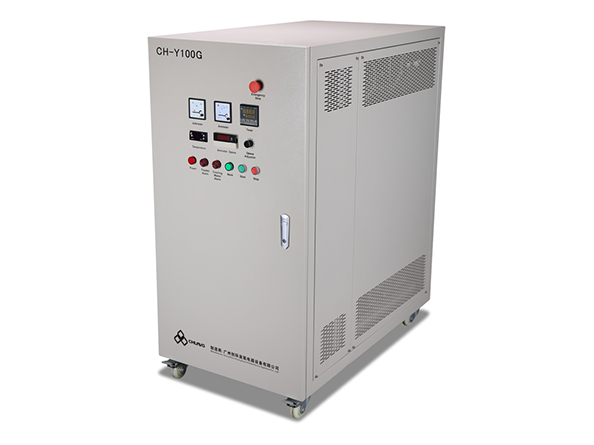
Unlike standard chemical treatments, ozone relies on powerful, naturally occurring gas to destroy contaminants at the molecular level. In this guide, we dive deep into the engineering, chemistry, and practical applications of pool ozone systems, covering everything from sizing and installation to maintenance and ROI.
How Ozone Disinfects Pool Water: Mechanism, Efficacy, and Residual Management
To understand how a pool ozone generator works, you first need to look at the chemistry. Ozone (O3) is an unstable, highly reactive gas. When injected into pool water, it disinfects and oxidizes through two distinct pathways: direct oxidation and indirect oxidation.
In direct oxidation, the ozone molecule reacts straight with organic matter, bacteria, and viruses, rupturing their cell walls. In the indirect pathway, ozone decomposes in water to form hydroxyl radicals (•OH). These radicals are among the most powerful oxidizers on earth—even stronger than ozone itself—initiating a chain reaction that rapidly destroys lotions, body oils, and chloramines.
However, there is a critical distinction many pool owners overlook: ozone leaves no lasting residual. Because it is so unstable, ozone reverts back to normal oxygen (O2) within minutes. Therefore, it cannot be used as a standalone sanitizer. You must maintain a secondary, active residual of chlorine or bromine in the pool.
The goal of an ozone system is to do 80% of the heavy lifting, allowing you to maintain a “minimum effective chlorine residual.” For most ozone-equipped residential pools, this means keeping free chlorine at a mere 0.2–0.5 ppm (or as dictated by local health codes), drastically reducing chemical exposure.
Furthermore, you must account for Cyanuric Acid (CYA) levels. While ozone dramatically reduces chlorine demand, high levels of CYA can “lock up” the tiny 0.2–0.5 ppm chlorine residual, rendering it useless. Keeping CYA on the lower end (10–20 ppm) is crucial when using ozone.
The Bromate Risk and Disinfection Byproducts (DBPs)
A commonly ignored risk in ozone treatment is the formation of bromate (BrO3), a suspected carcinogen. This occurs when ozone oxidizes bromide ions naturally present in some source waters or salt mixes. To control bromate formation, operators must manage pH levels (keeping it slightly lower, around 7.2–7.4), limit incoming bromide, and carefully choose their feed gas. In the U.S., the EPA limit for bromate in drinking water is 10 ppb, a standard many high-end pool operators use as a safety benchmark.
—
Ozone Generation Technologies: Corona Discharge, UV, and Feed Gas Choices
Not all ozone generators are created equal. The market is dominated by two primary technologies: Corona Discharge (CD) and Ultraviolet (UV). Understanding the difference is vital for choosing the right system for your pool size and budget.
Ultraviolet (UV) Ozone Generators
UV systems pass ambient air over a specialized UV lamp (emitting light at 185 nanometers) to split oxygen molecules and create ozone.
• Pros: Cheap, reliable, and generally unaffected by ambient humidity.
• Cons: Low output (typically yielding less than 1 g/hr) and low efficiency.
• Best for: Hot tubs, spas, and very small above-ground pools. The UV lamps typically require replacement every 12 to 18 months as their intensity degrades.
Corona Discharge (CD) Ozone Generators
CD systems simulate lightning. They pass dried air or pure oxygen through a high-voltage electrical field (an arc), rapidly converting O2 into O3.
• Pros: High output (ranging from 1 g/hr to over 100+ g/hr) and highly energy efficient.
• Cons: Higher upfront cost and strict air-preparation requirements.
• Best for: Most residential pools and all commercial pools.
The Importance of Feed Gas
A crucial, often neglected factor in CD systems is the feed gas.
If you feed regular, moist ambient air into a CD generator, the nitrogen and moisture react to form nitric acid, which quickly destroys the generator’s internal electrodes and reduces lifespan to mere months. Therefore, CD systems use air dryers.
Premium systems go a step further and use Oxygen Concentrators. Feeding pure oxygen (rather than ambient air, which is 78% nitrogen) increases ozone yield by up to 300%, lowers energy consumption, and significantly reduces the risk of generating nitrogen-based byproducts that can exacerbate bromate formation.
Decision Matrix:
• Tight budget, portable spa: UV System
• Standard residential pool (10k-20k gallons): CD System with Air Dryer
• Large residential/Commercial pool: CD System with Oxygen Concentrator
—
System Components, Flow Design, Contact Time and Degassing Requirements
An ozone generator is not just a box you plug into the wall; it is a multi-stage system. A properly engineered setup consists of five main components: the feed gas preparation unit, the generator cabinet, the injection manifold, the contact tank, and the destruct unit.
1. Injection and Mixing
Ozone gas must be dissolved into the water. This is almost universally done using a Venturi injector—a specialized valve that creates a vacuum, sucking the ozone gas into the water stream and breaking it into microscopic bubbles. Some systems follow this with a static mixer to increase the dissolution rate.
2. Contact Time (CT)
Ozone needs time to react with the pathogens before the water returns to the pool. This is measured by the CT Value (Concentration × Time). If you skip the contact tank, ozone won’t have enough time to sanitize effectively.
Example Calculation: If your pool has a flow rate of 60 gallons per minute (GPM), and you require a 2-minute contact time for optimal pathogen destruction, you need a contact tank with a capacity of at least 120 gallons (60 GPM x 2 min = 120 gal).
3. Degassing and Ozone Destruct (Crucial Step)
Here is a detail many basic guides miss: Unreacted ozone gas must not enter the pool. Off-gassing ozone is highly toxic to human lungs and will rapidly degrade automatic pool covers and plastic fittings. After the contact tank, water must pass through a degassing valve, which vents the trapped ozone gas into an ozone destruct unit (usually containing a heated catalytic bed like Carulite) that converts the O3 safely back into breathable O2 before it hits the atmosphere.
Optimal Equipment Flow Order
For proper integration, the equipment layout should be:
`Pool Pump -> Sand/Cartridge Filter -> Pool Heater -> Ozone Venturi Injector -> Contact Tank -> Degassing Valve -> Chlorine/Chemical Feeder -> Return to Pool.`
Monitoring points should be installed post-contact tank to measure Oxidation-Reduction Potential (ORP) and verify ozone residuals.
—
Sizing, Installation, Integration and Code Considerations for U.S. Pools
Properly sizing your ozone generator is the difference between pristine water and a costly paperweight. You must size the unit based on the pool volume and the required turnover rate.
Sizing Formula and Example Calculation
To calculate the required ozone output (measured in grams per hour, g/hr), use the following formula based on a standard dosing rate (typically 0.5 to 0.8 mg/L for residential pools):
Formula: Required Output (g/hr) = [Pool Volume (Liters) / Turnover Time (Hours)] × Target Dose (mg/L) / 1000
Example: You have a 50,000 Liter pool (approx. 13,200 gallons) and want a fast 1.5-hour turnover rate, aiming for a 0.5 mg/L dose.
• Flow Rate = 50,000 L / 1.5 hr = 33,333 Liters/hour
• Required Dose = 33,333 L/hr × 0.5 mg/L = 16,666 mg/hr
• Convert to grams: 16,666 mg/hr / 1000 = 16.6 g/hr
(Always add a 20% safety factor, so you should shop for a 20 g/hr unit).
Installation and U.S. Code Considerations
In the U.S., commercial installations are strictly governed, but residential installations should follow the same safety principles.
• Certifications: Ensure the equipment is UL Listed (for electrical safety) and NSF 50 Certified (proving its efficacy and flow safety).
• Ventilation: Equipment rooms must have adequate air exchange (referencing ASHRAE standards) because an ozone leak in an enclosed pump room is a severe respiratory hazard.
• Permits: A licensed electrician must handle the 220V wiring and bonding, and plumbing alterations often require local permits.
Integration with Salt Water Generators (SWG) and Retrofitting
Ozone pairs beautifully with Saltwater Chlorine Generators (SWGs). Because the ozone oxidizes 80% of the bather load, you can turn your SWG output down significantly. This extends the life of your expensive salt cell by years.
Retrofitting Trap: If you are adding ozone to an older pool, be aware that adding a Venturi injector and a contact tank introduces “head loss” (resistance). You may need to upgrade to a Variable Speed Pump (VSP) to push water effectively through the new system.
—
Operation, Maintenance, Troubleshooting, Costs and ROI
Many pool owners assume ozone is “set it and forget it,” but it requires scheduled maintenance to remain effective.
Maintenance Schedule & Consumable Lifespan
• Weekly: Check the generator indicator lights and inspect the Venturi injector to ensure gas is being drawn (look for tiny bubbles in the site glass).
• Monthly: Clean the air dryer filters. Check the ORP readings and test for free chlorine to ensure the balance is correct.
• Yearly: Replace the one-way check valves (crucial to prevent water from backing up into the electrical cabinet) and inspect Teflon/Kynar tubing for brittleness.
• Long-Term Replacement: UV lamps generally last 1–2 years ($100–$150). CD generator cells last 3–5 years ($200–$500+). Ozone destruct catalysts need replacement every 3–5 years ($150–$300).
Troubleshooting Common Issues
• Symptom: Strong bleach/electrical smell near equipment. Cause: Ozone leak. Turn off the system immediately and check all tubing connections.
• Symptom: Decreased water clarity but lights are on. Cause: Nitric acid buildup on the CD cell (due to failed air dryer), or the Venturi injector is clogged with calcium.
• Symptom: High Bromate levels. Cause: Source water has high bromide. Switch to an oxygen concentrator feed gas and lower your pH.
Costs and Return on Investment (ROI)
A quality CD ozone system for a standard residential pool costs between $1,500 and $3,500 installed. The energy consumption is surprisingly low—usually 100 to 300 watts—costing just pennies a day (roughly $50–$100 annually in electricity).
The ROI Calculation: If you currently spend $600 a year on liquid chlorine, shock treatments, and algaecides, a properly sized ozone system can cut chemical use by 60-80%.
Saving $400 a year on chemicals, plus adding 2-3 years to the life of your pool surfaces and salt cells (an average savings of $200/year), yields a total annual savings of $600. In this scenario, a $2,000 ozone system pays for itself in just over 3 years, not factoring in the priceless benefit of healthier, crystal-clear water.
—
Conversion / CTA: Take the Next Step Toward Healthier Water
Ready to eliminate harsh chemical smells and experience the clearest pool water of your life? Upgrading to an ozone system requires precision, but you don’t have to figure it out alone.
Use our Quick Ozone System Sizing Calculator to find the exact g/hr output your pool needs. Simply enter your:
• Total Pool Volume
• Maximum Depth
• Target Turnover Rate
• Existing Pump Flow Rate (GPM)
[Click Here to Use the Sizing Calculator]
Prefer a human touch? Book a Free Assessment with our water chemistry experts. We will connect you with a local, qualified installer who can provide a written quote, ensuring your setup meets UL/NSF certifications, local electrical permits, and equipment room ventilation codes.
To help you prepare, download our free Ozone Buyer’s & Installation Checklist, complete with an estimated equipment and parts cost breakdown, so you can shop with confidence!
—
FAQ
How do I calculate the ozone g/hr required for my pool based on volume and turnover?
Divide your pool volume by your desired turnover time (in hours) to get your hourly flow rate. Multiply that flow rate by your target ozone dose (usually 0.5 mg/L), and divide by 1000. This gives you the required grams per hour (g/hr). Always add a 20% safety margin.
Can ozone replace chlorine entirely, or how much chlorine should I keep as a residual?
No, ozone cannot replace chlorine entirely because it dissipates from the water in minutes, leaving no residual to protect against new contaminants. You should maintain a “minimum effective residual” of chlorine, typically between 0.2 and 0.5 ppm, depending on local health codes.
What are the practical differences between corona discharge and UV ozone generators for residential pools?
UV generators are cheaper and easier to maintain but produce very low amounts of ozone, making them suitable only for spas or small above-ground pools. Corona Discharge (CD) generators have a much higher initial cost but produce vastly more ozone, making them the only practical choice for standard and large residential pools.
Under what conditions can ozone lead to bromate formation, and how can I minimize that risk?
Bromate forms when ozone oxidizes bromide naturally present in water or salt mixes. You can minimize this risk by keeping your pH slightly lower (7.2-7.4), using an oxygen concentrator as your feed gas (instead of ambient air), and monitoring the bromide levels in your source water.
How often should ozone cells or lamps be serviced or replaced, and what are common failure signs?
UV lamps degrade quickly and should be replaced every 12 to 18 months. CD cells generally last 3 to 5 years. Common failure signs include cloudy pool water (despite normal chemical levels), a lack of tiny bubbles in the Venturi injector sight glass, or system controller alarms.
What are typical operating costs and energy consumption estimates for a pool ozone system?
Ozone generators are highly energy-efficient. Most residential units draw between 100 and 300 watts of power. Operating 8 to 12 hours a day, this typically translates to $50 to $100 per year in electricity costs, which is heavily offset by the savings in chemical purchases.
Can I retrofit an ozone generator to a saltwater chlorine generator pool, and will it affect CYA or chlorine demand?
Yes, they pair perfectly. Ozone does the heavy oxidizing, which lowers your chlorine demand and allows you to turn down your salt cell output, extending its lifespan. However, ozone can oxidize cyanuric acid (CYA) over time, so you must monitor your CYA levels to ensure they stay around the 10-20 ppm range to protect your tiny chlorine residual.