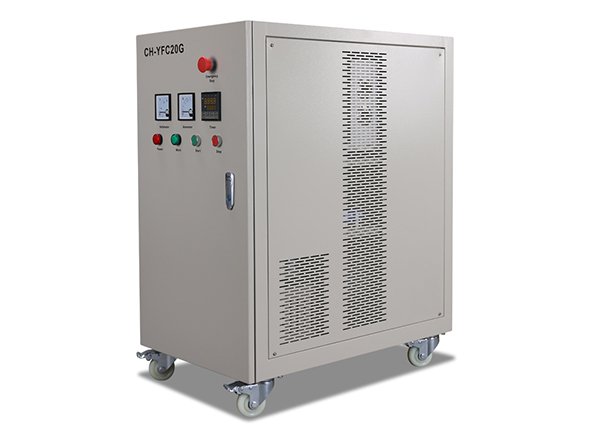
A corona discharge ozone generator is an advanced device that creates ozone (O3) by passing dry air or oxygen through a high-voltage electrical field. This process, known as the “corona effect,” splits oxygen molecules (O2) into individual atoms, which then recombine with other O2 molecules to form powerful, sanitizing ozone gas for industrial and residential use.
Introduction: Why Ozone Technology Matters Today
In an era where hygiene and water purity are non-negotiable, finding the most efficient way to sanitize environments is critical. Whether you are managing a municipal water facility or looking to improve indoor air quality, you have likely encountered the term “ozone.”
But how do we create this powerful oxidant on demand? The answer lies in the corona discharge ozone generator. While other methods like UV light exist, corona discharge is the gold standard for high-output, reliable ozone production.
In this guide, we will break down the complex physics of the corona effect, explore the core components of an ozone system, and help you determine if this technology is the right fit for your specific needs.
—
The Science Behind the Spark: How Corona Discharge Works
To understand a corona discharge ozone generator, we must look at the “corona” itself—a luminous electrical discharge caused by the ionization of a fluid (in this case, air or oxygen) surrounding a conductor.
The Electrical Breakdown
At its core, the generator consists of two electrodes separated by a dielectric (insulating) material. When high-voltage electricity is applied, it creates a “plasma field” or a silent electrical discharge. As oxygen molecules (O2) pass through this field, the intense energy breaks their molecular bonds.
Recombination into O3
These free-floating oxygen atoms are highly unstable. They immediately seek out stable O2 molecules to latch onto. This chemical marriage results in O3, or ozone. Because ozone is an unstable gas with a short half-life, it must be generated on-site—this is exactly where the generator proves its worth.
—
Core Components of an Industrial Ozone System
A professional-grade ozone system is more than just a box with a spark. It is a sophisticated assembly of several critical sub-systems designed to maximize output and longevity.
• Feed Gas Preparation: Ozone is created from oxygen. Using ambient air (which is only 21% oxygen and contains moisture) can lead to the formation of nitric acid, which corrodes the machine. High-end systems often include an oxygen concentrator or an air dryer.
• The Power Supply Unit (PSU): This transforms standard building voltage into the high-frequency, high-voltage current needed to bridge the dielectric gap.
• The Corona Cell: This is the heart of the machine where the actual discharge happens.
• Cooling System: The corona effect generates significant heat. If the cell gets too hot, the ozone will decompose back into oxygen. Most industrial units use water-cooling or high-velocity air-cooling.
Pro-Tip: Always check the “dew point” of your feed gas. If your air is not bone-dry (at least -60°C dew point), your corona discharge cell will lose efficiency and eventually fail due to “nitric acid gunk.”
—
Why Choose Corona Discharge Over UV Ozone Generation?
When researching ozone technology, you will often find two contenders: UV lamps and Corona Discharge (CD). Here is why CD is the preferred choice for 95% of commercial applications.
1. Higher Concentration and Output
UV lamps generally produce ozone at concentrations of 0.1% to 0.01% by weight. In contrast, a corona discharge ozone generator can reach concentrations of 3% to 12%, depending on the feed gas.
2. Longevity and Maintenance
While UV bulbs lose intensity and must be replaced every 8,000 hours, a well-maintained CD cell can last for years. The ability to scale the output by simply adjusting the voltage makes CD systems much more versatile for fluctuating demands.
3. Space Efficiency
Because CD generators are more efficient, they have a much smaller footprint. To produce the same amount of ozone as one small CD unit, you would need a UV rack the size of a shipping container.
—
Applications: Where is Ozone Used?
Ozone is one of the most powerful oxidants available, second only to fluorine. This makes it incredibly effective at destroying pathogens, odors, and chemical contaminants.
• Water Treatment: From municipal drinking water to large-scale aquariums, ozone kills bacteria and viruses faster than chlorine without leaving harmful residues.
• Cold Storage: Ozone gas is circulated in warehouses to extend the shelf life of produce by killing mold spores and neutralizing ethylene gas.
• Odour Remediation: Restoration professionals use these generators to remove smoke smells from fire-damaged buildings or “locker room” odors in commercial gyms.
• Waste Water Management: It breaks down complex organic compounds that traditional biological treatments cannot touch.
—
Safety First: Managing Ozone Output
While ozone is a miracle molecule for purification, it is a respiratory irritant at high concentrations. Implementing a corona discharge ozone generator requires a strict adherence to safety protocols.
Ambient Monitoring
Any room containing an ozone system should be equipped with an ambient ozone monitor. These sensors automatically shut down the generator if concentrations exceed OSHA or WHO limits (typically 0.1 ppm for 8-hour exposure).
Destruction Units
In water treatment, not all ozone dissolves into the liquid. This “off-gas” must be passed through an ozone destruct unit—usually a thermal or catalytic converter—to turn it back into safe oxygen before it is vented outside.
—
Expert Insight: The Importance of Materials
One common mistake beginners make is using standard plastic tubing or brass fittings with ozone. Ozone is highly corrosive to “soft” materials.
Expert Recommendation: Always ensure your system utilizes Ozone-Compatible Materials:
• Metals: 316L Stainless Steel.
• Elastomers: Viton or PTFE (Teflon).
• Dielectrics: High-purity Alumina Ceramics or Borosilicate Glass.
Using the wrong materials will lead to leaks, which compromises both the efficiency of the corona discharge ozone generator and the safety of the workspace.
—
Frequently Asked Questions (FAQ)
1. Does a corona discharge ozone generator produce nitrogen oxides?
If the feed gas is ambient air (which contains 78% nitrogen), yes, small amounts of nitrogen oxides (NOx) are produced. However, using an oxygen concentrator as the feed source virtually eliminates NOx production and doubles the ozone output.
2. How long does the ozone last after being generated?
Ozone is highly reactive and has a half-life of about 20 to 30 minutes in the air before it reverts to oxygen. In water, it dissipates even faster, usually within minutes depending on the temperature and organic load.
3. Is it better than chlorine for swimming pools?
Ozone is much faster at killing “Cryptosporidium” and other chlorine-resistant pathogens. While it doesn’t provide a long-lasting residual like chlorine, using it in conjunction with low-level chlorine significantly improves water clarity and eliminates the “chlorine smell” (chloramines).
4. Can I run a corona discharge generator in a room with people?
Generally, no. High-output generators should only be used in unoccupied spaces or in closed-loop systems (like water pipes). For low-level “air purifiers,” the output must be strictly regulated to stay below safety thresholds.
5. What maintenance does an ozone system require?
The primary maintenance tasks include cleaning the corona cell to remove dust or mineral deposits, replacing air filters, and ensuring the air dryer/oxygen concentrator is functioning at peak efficiency.
—
Conclusion: Investing in the Future of Oxidation
The corona discharge ozone generator is a powerhouse of modern engineering. By mimicking the natural process of lightning, this technology allows industries to sanitize water, air, and surfaces without the need for harsh, lingering chemicals.
Whether you are looking to upgrade your industrial facility or seeking the most efficient sterilization method available, the scalability and power of a corona-based ozone system make it the premier choice.
Ready to revolutionize your sanitation process? Contact our engineering team today for a custom consultation on integrating a high-performance ozone solution into your workflow. Ensure your environment is clean, safe, and sustainable with the power of advanced oxidation.