When comparing ozone vs chlorine for bottled water treatment, ozone is the superior choice. Unlike chlorine, which leaves chemical residues and alters taste, ozone acts as a rapid, powerful oxidant that destroys bacteria and viruses instantly. It then safely reverts to oxygen, leaving pure, fresh-tasting bottled water without harmful byproducts.
Ensuring flawless water quality is the biggest hurdle for any commercial bottling plant. A single batch of contaminated water can lead to costly recalls and legal nightmares.
Furthermore, today’s consumers demand crystal-clear, great-tasting water. Even a faint chemical odor or the presence of disinfection byproducts can destroy your brand’s reputation overnight.
You need a foolproof, highly efficient disinfection strategy to stay competitive. In this expert guide, we dive deep into the debate between ozone vs chlorine for bottled water treatment so you can make the most profitable and safe choice for your facility.
The Role of Disinfection in Bottled Water Production
Raw water sources often harbor microscopic threats. Bacteria, viruses, and parasites must be completely eradicated before water enters a sealed bottle.
Historically, water treatment facilities relied on a variety of chemicals to achieve this baseline safety. However, municipal water treatment and commercial bottled water production have vastly different end goals.
Municipalities need long-lasting chemicals to keep water safe as it travels through miles of pipes. Bottled water brands, on the other hand, require immediate, residue-free sterilization to preserve natural taste and purity.
Understanding Chlorine in Water Purification
Chlorine has been the global standard for municipal water treatment for over a century. It is a highly effective, low-cost chemical disinfectant.
When added to water, chlorine breaks down the cell walls of microorganisms, neutralizing their threat. While it is incredibly useful for city tap water, its application in commercial bottling is highly controversial.
The Drawbacks of Chlorine in Bottling
The biggest issue with chlorine is its lasting chemical footprint. Chlorine leaves a noticeable residual taste and a harsh, clinical odor.
Additionally, chlorine reacts with natural organic matter in water to form Disinfection Byproducts (DBPs). These include Trihalomethanes (THMs), which are heavily regulated and linked to long-term health risks.
For a premium bottled water brand, relying solely on chlorine is a massive operational risk. Consumers buy bottled water specifically to escape the chlorinated taste of municipal tap water.
The Power of Ozone for Bottled Water Treatment
To bypass the limitations of chlorine, the industry has widely adopted ozonation. Relying on ozone for Bottled Water Treatment has quickly become the gold standard for premium beverage brands worldwide.
Ozone (O3) is a naturally occurring, supercharged oxygen molecule. It is one of the most powerful oxidizing agents available for commercial purification.
Because ozone is highly unstable, it cannot be stored or shipped in tanks. It must be generated on-site immediately before application.
How an Ozone Generator Upgrades Your Plant
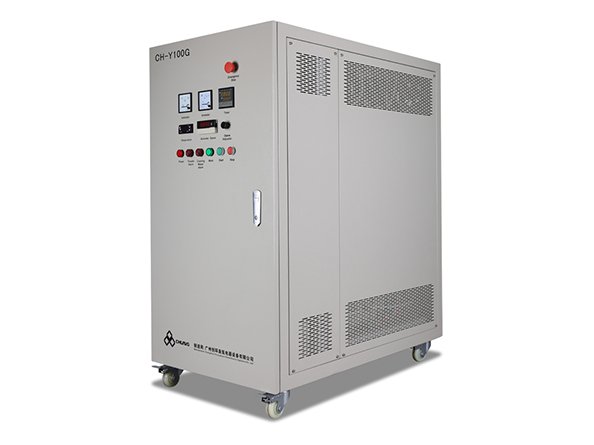
To utilize this technology, facilities must install an industrial ozone generator. This equipment takes ambient air or pure oxygen and passes it through a high-voltage electrical field.
This process, known as corona discharge, splits oxygen molecules (O2) and forces them to recombine as ozone (O3). The ozone gas is then immediately injected into the water right before the bottling stage.
Once injected, ozone oxidizes heavy metals, destroys bacteria, and eliminates viruses on contact. Best of all, the unreacted ozone safely decomposes back into breathable oxygen within 20 to 30 minutes.
The Undeniable Pros of Ozone
• Pristine Taste: Because it reverts to oxygen, ozone leaves absolutely zero chemical residue, preserving the water’s natural spring profile.
• Superior Speed: Ozone works up to 3,000 times faster than chlorine at destroying bacteria and organic matter.
• Bottle Sterilization: When ozonated water is capped, the trapped ozone gas actually sterilizes the inside of the bottle and the cap before dissipating.
Head-to-Head Comparison: Ozone vs Chlorine
To truly understand the debate of ozone vs chlorine for bottled water treatment, we must look at the key performance metrics. Here is how they stack up against each other:
1. Disinfection Strength
Ozone is vastly superior. It easily eradicates chlorine-resistant pathogens like Cryptosporidium and Giardia. Chlorine requires much longer contact times to achieve a fraction of this efficacy.
2. Taste and Odor
Chlorine guarantees a chemical aftertaste, which is unacceptable in the bottled water industry. Ozone removes existing odors and leaves the water tasting exceptionally crisp and clean.
3. Safety and Byproducts
Chlorine produces THMs and haloacetic acids, which require extensive filtration to remove. Ozone produces zero chemical byproducts, ensuring compliance with strict FDA and EPA bottling regulations.
4. Operational Costs
Chlorine is cheaper upfront but requires ongoing chemical purchases, storage, and safety handling protocols. An ozone system requires a higher initial capital investment, but operates continuously with lower long-term variable costs.
Expert Insights & Pro-Tips for Bottled Water Plants
Expert Insight: According to industry data, over 90% of premium bottled water brands currently rely on ozonation. The International Bottled Water Association (IBWA) recognizes ozone as a highly effective, safe, and preferred antimicrobial agent.
Pro-Tip 1: Monitor your ozone dosage carefully. While ozone leaves no chemical residue, over-ozonation in water with high natural bromide levels can create bromate. Always utilize precise monitoring sensors to maintain optimal ozone levels (typically between 0.2 and 0.4 ppm).
Pro-Tip 2: Use a hybrid approach for pre-treatment. Some facilities use light chlorination for the initial raw water storage to prevent algae growth. They then use reverse osmosis to strip the chlorine, finishing with ozone right before bottling for ultimate purity.
Conclusion: Making the Right Choice for Your Brand
When analyzing ozone vs chlorine for bottled water treatment, the verdict is remarkably clear. Chlorine is excellent for city pipes, but it has no place in the final stages of premium bottled water production.
Ozone offers unmatched sterilization power, zero chemical residuals, and a pristine flavor profile. Upgrading your facility with cutting-edge ozonation technology is an investment in your brand’s reputation and long-term profitability.
Ready to elevate your water quality? Contact our commercial water treatment specialists today to find the perfect ozonation system tailored for your bottling plant!
—
Frequently Asked Questions (FAQ)
1. Is ozone safe to consume in drinking water?
Yes, it is entirely safe. By the time a bottle of ozonated water reaches the consumer, the ozone has completely reverted back to natural, breathable oxygen. There is no active ozone left in the water when you drink it.
2. Why does chlorine leave a bad taste in water?
Chlorine is a harsh halogen chemical that binds with organic compounds in the water. This binding process creates chloramines and other byproducts, which are directly responsible for the distinct “swimming pool” taste and smell.
3. Do I need an ozone generator for my bottling plant?
If you want to produce premium, shelf-stable, and great-tasting bottled water, an onsite generator is essential. It is the only way to ensure ultimate microbial safety without relying on taste-altering liquid chemicals.
4. How long does ozone last in a sealed bottle of water?
Ozone has a very short half-life. Inside a sealed water bottle, the ozone will typically dissipate and convert entirely back into pure oxygen within 20 to 30 minutes of capping.
5. Can I use both ozone and chlorine together?
Not simultaneously in the final product. However, plants often use chlorine to treat raw water in bulk storage tanks. They must completely filter out the chlorine (usually via activated carbon) before injecting ozone for the final bottling phase.