If you are looking at water treatment options, you have probably seen the term ozonator water purification system and wondered whether it is a serious solution or just another marketing buzzword.
The short answer: it is a real and effective technology, but only when it is used for the right purpose. An ozonator does not replace every type of filtration. Instead, it uses ozone gas to disinfect water, reduce odors, and improve water quality in ways that chlorine and basic filters cannot always match.
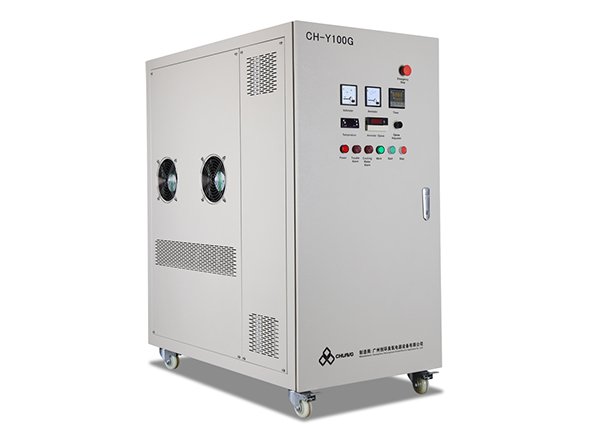
For homes, food and beverage processing, spas, aquaculture, and certain commercial facilities, ozone can be a smart choice. For some other use cases, it may be overkill or incomplete on its own.
This article explains what an ozonator water purification system is, how it works, its major benefits, its limitations, and how to decide whether it fits your needs.
What Is an Ozonator Water Purification System?
An ozonator water purification system is a treatment setup that generates ozone, dissolves it into water, and uses the ozone to disinfect and oxidize contaminants.
Ozone is a molecule made of three oxygen atoms. It is unstable, which makes it highly reactive. When ozone enters water, it attacks many microorganisms and certain dissolved pollutants. That is why ozone is widely used in water disinfection, odor control, and oxidation processes.
In simple terms, an ozonator is a machine that creates a powerful but short-lived cleaning agent inside the water itself.
Unlike a sediment filter or carbon filter, ozone does not work by trapping particles. It works by changing the chemistry of what is in the water.
How an Ozonator Works
A typical ozonator water purification system follows a simple chain:
- Oxygen or air is fed into the generator.
- The generator creates ozone using corona discharge or UV technology.
- Ozone is injected into the water through a venturi, diffuser, or contact tank.
- The ozone reacts with bacteria, viruses, odors, color, iron, manganese, and some organic compounds.
- Excess ozone is destroyed or allowed to break down back into oxygen.
The key idea is contact time. Ozone must stay in the water long enough to do its job. That is why many systems include a contact chamber, not just a generator.
If the ozone dose is too weak, the system underperforms. If the contact time is too short, the disinfecting effect drops sharply.
What Ozone Can and Cannot Do
Ozone is strong, but it is not magic.
It can be very effective at:
- Disinfecting water by inactivating microorganisms.
- Reducing unpleasant tastes and odors.
- Oxidizing iron and manganese.
- Helping break down some organic contaminants.
- Improving clarity and water freshness in closed systems.
It is not a complete solution for:
- Dissolved salts.
- Nitrates.
- Fluoride.
- Most heavy metals.
- All chemical contaminants.
That is why many ozonator systems are paired with sediment filters, carbon filters, softeners, or reverse osmosis systems. Ozone handles disinfection and oxidation. Other media handle the rest.
Main Benefits of an Ozonator Water Purification System
1. Powerful Disinfection
Ozone is one of the strongest oxidizing agents used in water treatment. It can inactivate a wide range of bacteria, viruses, and other microorganisms.
For users who care about sanitation, this is the biggest reason to choose ozone.
2. Better Taste and Smell
Water with a sulfur odor, musty smell, or organic taint often benefits from ozone treatment. Ozone can reduce the compounds that cause these problems.
This is especially useful in well water applications.
3. No Need to Store Chemicals
Many systems require chlorine or other chemical dosing. An ozonator generates ozone on-site, so there is no bulky chemical storage in the same sense.
That can make operations cleaner and easier.
4. Fast Reaction
Ozone acts quickly. In the right setup, it can produce noticeable improvements in a short time.
That speed is one reason it is used in food processing, beverage production, and commercial sanitation.
5. Breaks Down Naturally
Ozone eventually reverts to oxygen. That makes it attractive for users who want a treatment method that leaves no long-lasting disinfectant residue.
Still, this does not mean the system should be used carelessly. Strong oxidation must always be controlled.
Limitations You Should Understand
An ozonator water purification system has clear limitations, and ignoring them leads to bad buying decisions.
1. Ozone Does Not Last Long
Ozone is unstable. It disappears quickly after use. That is good for safety, but it also means you do not get long-term residual protection in the plumbing the way chlorine can provide.
If your system needs residual disinfection, ozone alone may not be enough.
2. It May Need Pre-Treatment
Water with heavy sediment, high iron, or a large organic load may require pre-filtration. Otherwise, the ozone gets consumed too quickly and efficiency drops.
3. It Is Not a Full Water Solution
If your water has dissolved solids, salt, nitrate, or fluoride concerns, ozone will not solve those issues.
4. It Requires Correct Design
The effectiveness of the system depends on ozone dose, injector design, contact time, venting, and off-gas destruction. A poorly designed system can look impressive on paper and still perform badly in real life.
5. Safety Matters
Ozone is powerful, but breathing ozone is not safe. Good systems need proper containment and ventilation. This is especially important in enclosed spaces.
Where Ozonator Systems Make the Most Sense
Ozonator water purification systems are especially useful in these scenarios:
- Well water treatment with odor or iron issues.
- Residential water systems that need strong disinfection support.
- Spas, pools, and wellness facilities.
- Aquaculture and hydroponic systems.
- Food and beverage operations.
- Industrial wash water or process water.
In these environments, the strengths of ozone line up well with the problem.
For example, if your water smells like sulfur and tests show bacteria risk, ozone can be a strong part of the solution. If your main problem is high TDS or fluoride, it is the wrong tool.
How to Choose the Right System
When comparing ozonator systems, do not just look at price. Look at whether the system matches your water quality and usage.
1. Check Your Water Test Results
Before buying, test the water for:
- Bacteria.
- Iron and manganese.
- pH.
- Turbidity.
- Organic contamination.
- Total dissolved solids.
This tells you whether ozone is solving the real problem.
2. Match Capacity to Flow Rate
The system must handle your actual water flow. A small ozonator connected to a large-demand household or facility will disappoint.
Think in terms of gallons per minute, peak usage, and contact time.
3. Decide Whether You Need a Full System or a Component
Sometimes you need only the ozone generator. Sometimes you need a complete package with injector, contact tank, air dryer, filters, and off-gas destruction.
The more complex the water quality issue, the more complete the system should be.
4. Look at Maintenance Requirements
Good systems are not maintenance-free. You may need to replace lamps, clean injectors, service air dryers, or inspect seals and tubing.
A cheap unit with hard-to-find parts often becomes expensive later.
5. Verify Safety Features
The system should include proper ozone containment, safe off-gas handling, and a layout that prevents exposure.
If the seller cannot explain these basics clearly, that is a red flag.
Common Mistakes Buyers Make
The most common mistake is assuming ozone can do everything.
Other mistakes include:
- Buying based on marketing claims instead of water test data.
- Using a system that is too small.
- Skipping pre-filtration for dirty water.
- Expecting ozone to replace carbon or reverse osmosis.
- Ignoring ventilation and exposure risk.
- Not checking whether the system is designed for residential or commercial duty.
A good rule is this: ozone should solve a specific water problem, not act as a vague “premium upgrade.”
Maintenance and Operating Tips
To keep an ozonator water purification system working well:
- Follow the manufacturer’s ozone output and service schedule.
- Keep pre-filters clean.
- Inspect tubing, seals, and fittings regularly.
- Make sure the contact chamber and injector are not fouled.
- Replace consumable parts on time.
- Re-test water quality after installation and after major maintenance.
If performance drops, do not assume the generator is broken. The issue may be airflow, moisture, fouling, or insufficient contact time.
Final Verdict
An ozonator water purification system is a strong choice when you need fast disinfection, odor reduction, and oxidation of specific contaminants like iron or manganese. It is not a universal water treatment solution, but in the right application it can outperform simpler methods.
The best buyers are the ones who start with the water test, define the actual problem, and then choose a system sized for the real demand.