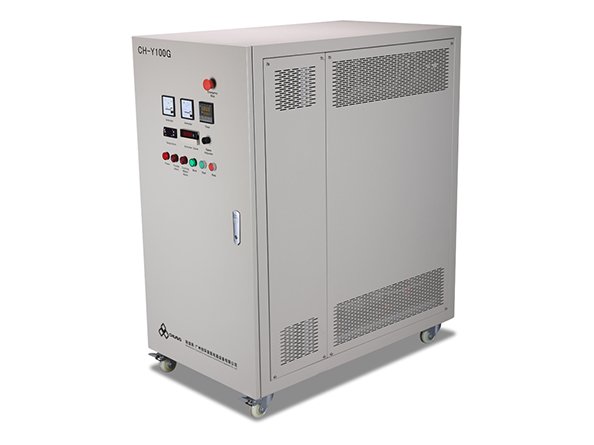
An ozone water treatment system is a powerful water purification technology that uses ozone gas (O3) to oxidize contaminants, including bacteria, viruses, iron, sulfur, and manganese. By injecting this unstable oxygen molecule into water, the system rapidly destroys pathogens and neutralizes minerals without leaving chemical residues, eventually reverting back into pure oxygen.
The Evolution of Clean: Why Ozone is Outpacing Chlorine
For decades, chlorine was the undisputed king of water disinfection. However, as homeowners and industries seek healthier, more sustainable alternatives, ozone for water treatment has emerged as the superior choice.
Does your water smell like rotten eggs? Are you dealing with stubborn orange stains on your fixtures? Or perhaps you are concerned about microscopic cysts that chlorine can’t kill?
If you’ve struggled with subpar water quality, you aren’t alone. In this guide, we will break down exactly how an ozone water treatment system works, its diverse applications, and why it is considered the most effective oxidation method available today. By the end of this article, you will know if ozone is the right investment for your home or business.
—
How Does an Ozone Water Treatment System Work?
To understand an ozone water treatment system, you have to understand the chemistry of “Active Oxygen.” Ozone consists of three oxygen atoms, making it highly unstable. This instability is its greatest strength.
1. Generation
Ozone cannot be stored in tanks; it must be created on-site. Most systems use Corona Discharge, which mimics lightning. Air is passed through a high-voltage electrical discharge, splitting oxygen molecules (O2) into single atoms, which then reattach to form O3.
2. Injection and Mass Transfer
Once generated, the ozone gas is injected into the water stream, typically via a Venturi injector or a fine-bubble diffuser. This is where the magic happens. The ozone must be thoroughly mixed with the water to ensure maximum contact with contaminants.
3. Oxidation and Disinfection
As soon as the ozone contacts a contaminant—whether it’s a bacterium cell wall or a dissolved iron molecule—it “pops.” It sheds that third oxygen atom in a process called oxidation. This reaction destroys the DNA of pathogens and causes dissolved minerals to solidify (precipitate) so they can be filtered out.
4. Filtration and Off-Gassing
After oxidation, the water passes through a catalytic media filter (like carbon or manganese dioxide) to remove the precipitated solids. Any remaining ozone gas is vented out through an off-gas valve, turning back into harmless oxygen.
—
Key Benefits of Ozone for Water Treatment
Using ozone for water treatment offers distinct advantages over traditional UV or chemical-based systems.
1. Superior Disinfection Power
Ozone is 50% stronger than chlorine and acts 3,000 times faster. It effectively neutralizes Cryptosporidium and Giardia, parasites that are notoriously resistant to chlorine.
2. Elimination of “Rotten Egg” Odors
If your water smells like sulfur, you likely have hydrogen gas. Ozone reacts instantly with sulfur, turning it into a solid that is easily filtered, leaving your water smelling fresh and clean.
3. Chemical-Free Purification
Unlike chlorination, which can produce harmful disinfection byproducts (DBPs) like trihalomethanes (THMs), ozone leaves no chemical footprint. It is the ultimate “green” technology for water.
4. Micro-Flocculation
Ozone acts as a micro-flocculant, meaning it causes organic matter to clump together. This makes your secondary filtration systems significantly more efficient at producing “polished,” crystal-clear water.
—
Common Applications: Where is Ozone Used?
While ozone was once reserved for large-scale municipal plants or bottled water facilities, modern technology has made it accessible for various sectors.
Residential Well Water
Well water often suffers from high levels of iron and manganese. An ozone water treatment system is the most effective way to prevent the staining and metallic taste associated with these minerals without adding salt or harsh chemicals to your home.
Food and Beverage Industry
Because ozone is FDA-approved for direct food contact, it is widely used to wash produce and sanitize bottling lines. It ensures a sterile environment without affecting the flavor of the product.
Commercial Pools and Spas
Ozone significantly reduces the need for chlorine in pools. It eliminates “chloramines”—the compounds responsible for red eyes and itchy skin—resulting in a much more pleasant swimming experience.
—
Pro-Tip: The “Contact Time” Rule
When evaluating an ozone system, always check the “contact tank” size. Oxidation is fast, but it isn’t instantaneous. For heavy iron or bacterial loads, a larger contact tank ensures the ozone has enough time to fully neutralize every contaminant before it reaches your tap.
—
Comparing Ozone vs. Chlorine vs. UV
| Feature | Ozone System | Chlorine | UV Light |
|---|---|---|---|
| Oxidation Power | Extremely High | Moderate | None |
| Residual Chemicals | None (Turns to O2) | High (DBPs) | None |
| Speed of Action | Seconds | Minutes/Hours | Instant |
| Removes Iron/Sulfur | Yes | Yes (Slowly) | No |
| Maintenance | Low to Moderate | High (Refills) | Annual Lamp Change |
—
Critical Components of a High-Quality Ozone System
If you are shopping for an ozone water treatment system, look for these high-performance components:
• Air Dryer: Ozone generators work best with dry air. A built-in desiccant or heat dryer will double the life of your ozone cells.
• Stainless Steel or Teflon Fittings: Ozone is highly corrosive to rubber and cheap plastics. Quality systems use ozone-resistant materials.
• Automatic Backwash Filter: This is essential for removing the “rust” and solids created during the oxidation process.
• Degassing Valve: This ensures that no excess air or ozone builds up in your plumbing, preventing “milky” water or sputtering faucets.
—
Expert Insights: Is Ozone Right for You?
As a strategist in water quality, I often see homeowners choose UV systems when they actually need ozone.
The distinction is simple: UV light neutralizes bacteria (making them unable to reproduce), but it does not remove anything. If your water has “color” or minerals, UV light will be blocked (shadowing).
Ozone, however, is a “workhorse.” It cleans the water and kills the bacteria simultaneously. If your water report shows iron, manganese, or sulfur alongside bacterial concerns, ozone is the only comprehensive solution.
—
Frequently Asked Questions (FAQ)
1. Is ozone water safe to drink?
Yes. Ozone is used by most major bottled water brands. Once the oxidation process is complete, the ozone reverts to oxygen, leaving the water safe, oxygen-rich, and chemical-free.
2. How much maintenance does an ozone system require?
Modern residential systems are mostly automated. Maintenance typically involves checking the air dryer every 6–12 months and ensuring the ozone generator’s corona cell is clean. The filtration media may need replacement every 3–5 years depending on usage.
3. Does ozone remove lead or arsenic?
Ozone can help oxidize certain forms of arsenic (Arsenic III to Arsenic V), making it easier to filter out. However, it is not a primary solution for lead removal. For heavy metals, ozone should be paired with specialized filtration media.
4. Will an ozone system affect my water pressure?
When installed correctly by a professional, there is a negligible drop in water pressure. Most systems are designed to handle the peak flow rates of a standard household.
5. Is ozone more expensive than a water softener?
The initial investment for an ozone system is typically higher than a basic water softener. However, because you do not need to buy salt or chemicals monthly, the long-term operating costs are significantly lower.
—
Conclusion: Investing in Your Water’s Future
An ozone water treatment system represents the pinnacle of modern water purification. By leveraging the power of active oxygen, it provides a chemical-free, highly effective solution for the toughest water problems—from the “rotten egg” smell of sulfur to dangerous bacterial contaminants.
If you are tired of staining, odors, and the constant need for chemicals, it’s time to upgrade your water quality.
Ready to transform your water? Contact a local water treatment specialist today for a comprehensive water test and see if an ozone system is the right fit for your home!