Ozone in food and beverage water treatment is a powerful, chemical-free disinfection method that uses triatomic oxygen (O3) to rapidly oxidize bacteria, viruses, and organic contaminants. Unlike chlorine, ozone leaves no harmful residues, breaks down into pure oxygen, and is FDA-approved for direct contact with food, making it the gold standard for maintaining beverage purity and food safety.
Introduction: Why the Industry is Shifting to Ozone
The global food and beverage industry faces a tightening vice of regulatory pressure and consumer demand for “clean label” products. Traditional chemical disinfectants like chlorine are increasingly scrutinized due to harmful disinfection byproducts (DBPs) and their impact on flavor profiles.
Do you find yourself struggling with persistent microbial loads or rising water costs? Are you worried about chemical residuals tainting your final product? You are not alone. These challenges are universal in modern manufacturing.
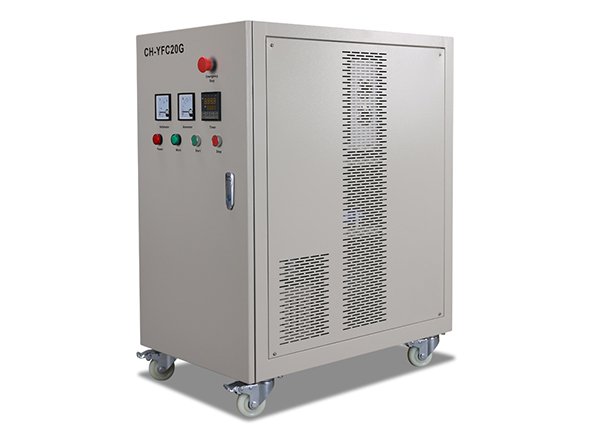
The solution lies in harnessing the oxidative power of ozone. In this guide, we will explore how implementing an ozone generator for water treatment can streamline your operations, ensure regulatory compliance, and provide a superior level of disinfection that chemicals simply cannot match.
—
The Science of Oxidation: How Ozone Works
Ozone is one of the most potent oxidants available for industrial use. While chlorine relies on diffusion through a cell wall to kill a microorganism, ozone destroys the cell wall through a process called lysing. This happens almost instantaneously.
The Mechanism of Action
When ozone for water treatment is introduced into a system, the third oxygen atom in the O3 molecule is highly unstable. It seeks to detach and bind with organic matter, heavy metals, and pathogens. Once the reaction is complete, the ozone reverts back into diatomic oxygen (O2), leaving behind zero chemical trace.
Comparison with Chlorine
• Speed: Ozone reacts 3,000 times faster than chlorine.
• Potency: It is roughly 50% stronger than chlorine as an oxidant.
• Byproducts: Chlorine produces trihalomethanes (THMs); ozone produces only oxygen.
—
Critical Applications of Ozone in Food and Beverage Water Treatment
The versatility of ozone in food and beverage water treatment allows it to be integrated into multiple stages of the production line.
1. Ingredient Water Purification
For beverage manufacturers—including bottled water, soft drinks, and brewing—the quality of the ingredient water is non-negotiable. Ozone ensures that the water is free from Cryptosporidium, Giardia, and other chlorine-resistant pathogens. It also removes unwanted tastes and odors, ensuring a consistent product every time.
2. Surface and Equipment Sanitation (CIP)
Clean-in-Place (CIP) systems are the backbone of facility hygiene. Using ozonated water for CIP cycles reduces the need for hot water and harsh detergents. This not only saves energy but also shortens rinse times, allowing for faster production changeovers.
3. Food Surface Washing
Directly washing produce, poultry, or seafood with ozonated water significantly reduces the microbial load on the surface of the food. This extends shelf life by delaying the onset of decay and ensures that the product is safe for raw consumption.
Expert Insight: “Ozone is ‘Generally Recognized as Safe’ (GRAS) by the FDA. This allows manufacturers to apply it directly to food products without a secondary rinse, a massive advantage over chemical sanitizers.”
—
Benefits of Using an Ozone Generator for Water Treatment
Investing in a high-quality ozone generator for water treatment offers more than just biological safety; it provides a significant Return on Investment (ROI).
Reduced Chemical Costs
By generating ozone on-site, facilities eliminate the need to purchase, transport, and store hazardous chemicals. This removes the risk of chemical spills and reduces the administrative burden of managing Safety Data Sheets (SDS).
Enhanced Shelf Life
Because ozone is so effective at neutralizing mold spores and spoilage bacteria, products treated with ozone typically have a longer shelf life. For exporters, this means fewer losses during transit and higher customer satisfaction.
Environmental Sustainability
Modern consumers prioritize brands with a low environmental footprint. Since ozone decomposes back into oxygen, it reduces the chemical load in your wastewater. This often leads to lower “BOD” (Biochemical Oxygen Demand) surcharges from municipal sewage authorities.
—
Integrating Ozone into Your Facility: Step-by-Step
Implementing ozone for water treatment requires a systematic approach to ensure safety and efficacy.
• Water Quality Analysis: Before installing an ozone generator for water treatment, test your source water for minerals like manganese and iron. Ozone will oxidize these, causing them to precipitate, which may require filtration.
• Sizing the System: The amount of ozone required depends on the flow rate and the “ozone demand” of the water. High organic loads require higher concentrations.
• Contact Time (CT Value): Effective disinfection is a product of Concentration × Time. Your system must be designed with appropriate contact tanks or venturi injectors to ensure the ozone stays in the water long enough to work.
• Monitoring and Destruct: Use ambient ozone monitors to ensure worker safety. Additionally, an ozone destruct unit should be installed to convert any “off-gas” back into oxygen before it is vented.
—
Pro-Tip: The “Micro-Bubble” Secret
To maximize the efficiency of ozone in food and beverage water treatment, focus on gas-to-liquid mass transfer. Using a venturi injector combined with a static mixer creates micro-bubbles. The smaller the bubble, the larger the surface area for the ozone to react, leading to faster disinfection with less energy.
—
Regulatory Compliance: FSMA and Beyond
The Food Safety Modernization Act (FSMA) places heavy emphasis on preventive controls. Ozone is a recognized preventive control for biological hazards. By maintaining a validated ozone system, facilities can easily demonstrate compliance during audits by the FDA or third-party bodies like the SQF (Safe Quality Food) Institute.
—
Frequently Asked Questions (FAQ)
1. Is ozone safe for use in organic food production?
Yes, ozone is approved for use in organic food processing by the USDA National Organic Program (NOP). It is considered a non-synthetic substance that leaves no residue on the final product.
2. Does ozone change the taste of beverages?
When used correctly in ozone for water treatment, it actually improves the taste by removing organic compounds that cause “earthy” or “musty” flavors. It reverts to oxygen and does not leave a chemical aftertaste like chlorine.
3. How often does an ozone generator require maintenance?
Modern industrial ozone generators for water treatment are designed for 24/7 operation. Routine maintenance typically involves checking the air preparation system (dryers) and cleaning the corona discharge cells once or twice a year.
4. Can ozone be used for wastewater treatment in food plants?
Absolutely. Ozone is highly effective at reducing COD (Chemical Oxygen Demand) and BOD in wastewater, making it easier to meet environmental discharge permits and potentially allowing for water reuse in non-food applications.
5. Is ozone more expensive than chlorine?
While the initial capital expenditure for an ozone generator for water treatment is higher than a chlorine dosing pump, the operational costs are significantly lower. When you factor in the savings from chemical purchases, water heating, and reduced wastewater fines, ozone often pays for itself within 18–24 months.
—
Conclusion: The Future is Clear
The adoption of ozone in food and beverage water treatment is no longer a luxury—it is a strategic necessity for brands aiming for the highest standards of purity and sustainability. From protecting your ingredient water to extending the shelf life of your products, ozone offers a chemical-free path to superior food safety.
By integrating a professional-grade ozone generator for water treatment, you are not just cleaning water; you are protecting your brand’s reputation and your bottom line.
Ready to upgrade your water safety protocol?
Contact an ozone specialist today to audit your current system and discover how a customized ozone solution can revolutionize your production line.
—
Expert Summary Table
| Feature | Chlorine | Ozone |
|---|---|---|
| Reaction Speed | Slow (Minutes) | Immediate (Seconds) |
| Residue | Harmful DBPs | Zero (Pure Oxygen) |
| Regulatory Status | Restricted Levels | FDA/USDA GRAS |
| Storage | Dangerous Chemicals | Generated On-Site |
| Impact on Flavor | High (Chemical taste) | Positive (Removes odors) |