Yes, ozone safe in water treatment protocols is widely recognized as one of the most effective and eco-friendly disinfection methods available today. When managed via a high-quality ozone generator for water treatment, it leaves no chemical residue, destroys 99.9% of pathogens, and quickly reverts to pure oxygen, ensuring the treated water is safe for consumption and industrial use.
The Rising Demand for Clean Water Solutions
Ensuring the safety of our drinking water has never been more critical. With emerging contaminants, antibiotic-resistant bacteria, and the environmental impact of traditional chemicals like chlorine, many are looking for a “cleaner” alternative.
You might be wondering: is it truly safe to use a gas known for being a pollutant in our atmosphere to clean the water we drink?
If you are concerned about chemical byproducts in your tap water or looking for a high-level industrial disinfection solution, you are in the right place. In this guide, we will break down the science, the safety protocols, and the practical applications of ozone for water treatment to determine if it is the right choice for your needs.
—
What is Ozone Water Treatment?
Ozone (O3) is a highly reactive gas composed of three oxygen atoms. Unlike the stable oxygen we breathe (O2), ozone is an unstable molecule that seeks to “oxidize” everything it touches. This makes it a formidable weapon against bacteria, viruses, and parasites.
In a professional setting, an ozone generator for water treatment creates this gas by passing oxygen through a high-voltage discharge (corona discharge) or ultraviolet light. Once the ozone is dissolved in water, it begins a process called lysis—effectively exploding the cell walls of contaminants.
The Lifecycle of Ozone in Water
• Generation: Ozone is created on-site.
• Contact: The gas is diffused into the water.
• Oxidation: Ozone destroys pathogens, metals (like iron and manganese), and organic odors.
• Reversion: Within minutes, the O3 molecule loses its third atom and turns back into O2 (Oxygen).
—
Is Ozone Safe in Water Treatment?
The short answer is yes, but with a caveat: safety depends on proper engineering and monitoring. When asking “is ozone safe in water treatment,” we must look at two distinct areas: the safety of the water produced and the safety of the workers operating the equipment.
1. Water Safety and Residues
Unlike chlorine, which stays in the water and can create a distinct “bleach” taste, ozone leaves no residual disinfectant. This is a double-edged sword. While it means you aren’t drinking chemicals, it also means the water has no “residual protection” if it sits in a pipe for a long time. This is why municipal plants often use ozone for primary disinfection and a tiny amount of chloramine for secondary protection.
2. Elimination of Disinfection Byproducts (DBPs)
One of the strongest arguments for ozone safety is the reduction of Trihalomethanes (THMs). When chlorine reacts with organic matter in water, it creates carcinogenic byproducts. Ozone for water treatment does not produce these specific toxic chemicals, making the final product significantly safer for long-term human consumption.
3. Gas Safety and Off-Gassing
Ozone gas is toxic if inhaled in high concentrations. Therefore, any professional ozone generator for water treatment must be paired with an “ozone destruct” unit. This system ensures that any ozone that doesn’t dissolve into the water is safely converted back into oxygen before being vented into the air.
Pro-Tip: Always ensure your water treatment room is equipped with an ambient ozone sensor. These devices trigger an automatic shut-off if gas levels exceed 0.1 ppm, keeping personnel safe.
—
Comparing Ozone to Chlorine: Which is Safer?
For decades, chlorine was the gold standard. However, modern science is shifting the needle toward ozone.
| Feature | Chlorine | Ozone |
|---|---|---|
| Disinfection Speed | Slow | 3,000x faster than chlorine |
| Pathogen Reach | Misses Cryptosporidium | Kills Cryptosporidium & Giardia |
| Chemical Residual | High (creates DBPs) | Zero (reverts to Oxygen) |
| Taste & Odor | Chemical taste | Fresh, clean taste |
| Storage Safety | Dangerous chemical tanks | Generated on-site as needed |
While chlorine is cheaper upfront, the health and safety benefits of being ozone safe in water treatment far outweigh the initial investment for many municipalities and high-end residential systems.
—
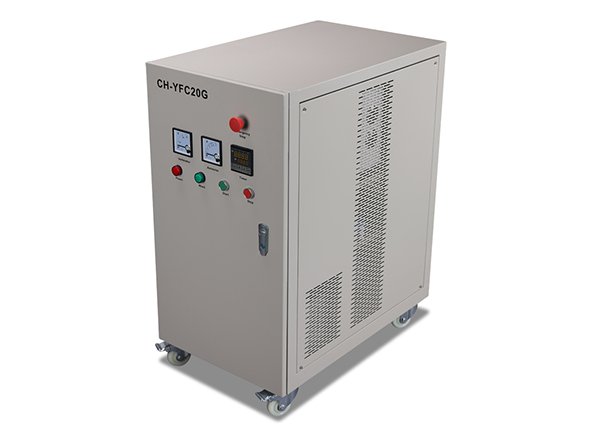
The Role of the Ozone Generator for Water Treatment
You cannot buy “bottled ozone” because it decays too quickly. Therefore, the safety of the system is entirely dependent on the quality of the ozone generator for water treatment.
Key Components of a Safe System:
• Air Prep System: Removes moisture and concentrates oxygen to ensure the generator runs efficiently without producing nitric acid.
• The Generator Cell: Where the corona discharge occurs. High-quality cells are made of stainless steel or ceramic to prevent corrosion.
• Injection Manifold: Often using a Venturi injector, this creates a vacuum to pull the ozone into the water stream safely.
• Degas Valve: Removes excess bubbles from the water line.
—
Expert Insight: Managing Bromate Risks
While ozone is safe, an expert strategist must mention Bromate. If your source water contains high levels of bromide, the ozone can oxidize it into bromate (BrO3), which is a regulated contaminant.
How to mitigate this:
• Water Testing: Always test for bromide before installing an ozone system.
• pH Control: Lowering the pH of the water can inhibit bromate formation.
• Ammonia Addition: In some industrial cases, adding a tiny amount of ammonia protects the bromide from oxidation.
—
Applications Where Ozone Safety Shines
1. Bottled Water Industry
Almost every bottle of water you buy has been treated with ozone. It provides “terminal disinfection”—killing any bacteria in the bottle or on the cap—before reverting to oxygen. This ensures the shelf life is long and the taste is neutral.
2. Residential Well Water
For homeowners dealing with “rotten egg” odors (hydrogen sulfide) or iron staining, a residential ozone generator for water treatment is a lifesaver. It oxidizes these contaminants into solids that can be easily filtered out, providing city-quality water without the chemicals.
3. Aquarium and Aquaculture Life Support
Fish are highly sensitive to chemicals. Ozone is used to keep large-scale aquarium water crystal clear and pathogen-free without harming the delicate respiratory systems of aquatic life, provided the residual ozone is removed before it reaches the tanks.
—
Regulatory Standards: Is it EPA Approved?
Yes, the Environmental Protection Agency (EPA) and the FDA recognize ozone as “Generally Recognized as Safe” (GRAS) for food and water contact.
The EPA’s Long Term 2 Enhanced Surface Water Treatment Rule specifically mentions ozone as a preferred method for inactivating Cryptosporidium, a parasite that is notoriously resistant to chlorine.
—
Frequently Asked Questions (FAQ)
1. Is it safe to drink water immediately after ozone treatment?
Yes. Ozone has a very short half-life (usually 10–30 minutes). By the time the water reaches your tap from a treatment plant or home system, the ozone has typically reverted back into pure oxygen.
2. Can ozone kill viruses like COVID-19 or Norovirus in water?
Ozone is one of the most powerful virucides known. It effectively deactivates virtually all waterborne viruses by damaging the viral envelope and nucleic acids.
3. Does an ozone generator for water treatment produce harmful radiation?
No. While some generators use UV light to create ozone, the “corona discharge” method uses electricity. Neither method leaves the water radioactive or dangerous.
4. What are the symptoms of breathing too much ozone gas?
If a system leaks, you will smell a “pungent, sweet” odor similar to the air after a thunderstorm. Short-term exposure can cause coughing, chest tightness, or eye irritation. This is why automated sensors and destruct units are mandatory for safety.
5. Is ozone more expensive than chlorine?
The initial capital cost for an ozone generator for water treatment is higher than a chlorine pump. However, because you do not have to buy, transport, or store dangerous chemicals, the long-term operational costs are often lower.
—
Conclusion: The Verdict on Ozone Safety
When we evaluate the question, “is ozone safe in water treatment?”, the evidence points to a resounding yes. It offers a level of biological purity that chlorine cannot match, while simultaneously protecting the environment from toxic chemical runoff.
By investing in a high-quality ozone generator for water treatment and following standard safety protocols—such as ambient monitoring and proper off-gas destruction—you can enjoy water that is not only safe to drink but superior in taste and clarity.
Ready to Upgrade Your Water Safety?
If you’re looking to transition to a chemical-free disinfection solution, start by testing your water for bromide and organic load. Consult with a certified water specialist to size an ozone for water treatment system that meets your specific flow rate and purity goals.
Take the first step toward pure, oxygen-rich water today.