Ozone in water treatment is a powerful oxidation process used to disinfect and purify water by injecting ozone gas (O3) into a liquid stream. It effectively neutralizes bacteria, viruses, and parasites while removing organic contaminants, odors, and colors more efficiently than chlorine, eventually reverting back into pure oxygen without leaving chemical residues.
Introduction: The Gold Standard of Water Purification
Do you ever wonder how high-end bottled water brands or municipal systems achieve that crisp, clean taste without the lingering smell of bleach? The answer is often ozone.
While traditional methods have relied on chlorine for decades, modern industrial and residential standards are shifting toward more sustainable and powerful alternatives. Ozone is not just a secondary option; it is a high-performance oxidant that handles contaminants that other chemicals simply cannot touch.
In this guide, we will dive deep into the mechanics of ozone for water treatment, the technology behind an ozone generator for water treatment, and why this “triple-atom oxygen” is the secret weapon for ultra-pure water.
—
How Does Ozone Work? The Science of Oxidation
To understand ozone, we have to look at its molecular structure. While the oxygen we breathe is O2, ozone is O3. That third oxygen atom is highly unstable and looking for a “fight.”
The Oxidation Process
When ozone is injected into water, that third atom breaks off and attaches itself to contaminants. This process, known as oxidation, destroys the cell walls of bacteria and viruses and breaks down the molecular bonds of organic pollutants.
From O3 Back to O2
One of the most significant advantages of ozone is its lifecycle. Once the oxidation process is complete, the ozone molecule loses its extra atom and reverts to stable oxygen (O2). This means you are left with purified water and increased dissolved oxygen levels, but zero chemical byproducts like trihalomethanes (THMs).
—
The Role of an Ozone Generator for Water Treatment
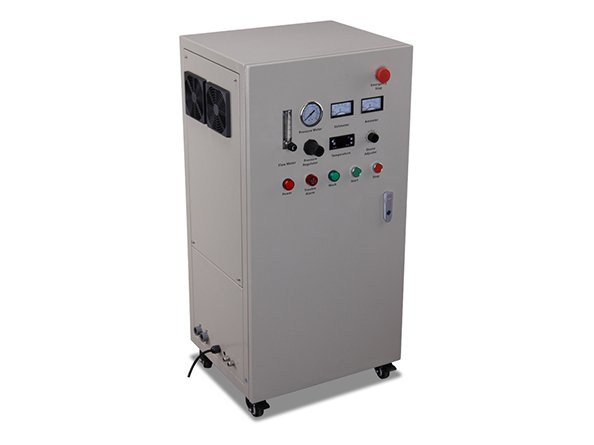
Ozone cannot be stored in tanks or shipped in bottles because it decays back into oxygen very quickly. Therefore, it must be created on-site. This is where an ozone generator for water treatment comes into play.
How These Systems Create Ozone
• Corona Discharge: This is the most common industrial method. It mimics lightning by passing air or pure oxygen through a high-voltage electrical field. This energy splits the O2 molecules, which then reform into O3.
• UV Radiation: Using specific wavelengths of ultraviolet light (usually around 185nm), oxygen molecules are split to create ozone. This is common in smaller, residential applications.
• Electrolytic Ozone Generation: This method generates ozone directly from the water molecules themselves, often used in ultra-pure water environments like pharmaceutical manufacturing.
Expert Insight: When choosing an ozone generator for water treatment, the feed gas matters. Using concentrated oxygen instead of ambient air can increase ozone production efficiency by 300% to 400%.
—
Key Benefits of Using Ozone for Water Treatment
1. Superior Disinfection Power
Ozone is roughly 50% stronger than chlorine and acts 3,000 times faster. It is exceptionally effective against “tough” pathogens like Cryptosporidium and Giardia, which are often resistant to standard chlorination.
2. Elimination of Taste and Odor
If your water smells like “rotten eggs” (hydrogen sulfide) or has a metallic tang, ozone is the solution. It oxidizes iron, manganese, and sulfur into solid particles that can then be easily filtered out.
3. Micro-Pollutant Removal
Modern water sources are increasingly contaminated with trace amounts of pharmaceuticals, pesticides, and endocrine disruptors. Ozone for water treatment breaks these complex chemical structures down into harmless biodegradable components.
4. No Chemical Residue
Unlike chlorine, which can leave a chemical taste and produce harmful Disinfection Byproducts (DBPs), ozone leaves nothing behind. It is the cleanest way to ensure biological safety.
—
Comparison: Ozone vs. Chlorine
| Feature | Ozone (O3) | Chlorine (Cl) |
|---|---|---|
| Oxidation Potential | Very High | Moderate |
| Contact Time | Seconds to Minutes | 20 – 120 Minutes |
| Residues | None (Turns to Oxygen) | Chemical (Chloramines/DBPs) |
| Effect on Viruses | Extremely Effective | Moderately Effective |
| On-site Storage | Not Required (Generated) | Required (Hazardous Tanks) |
—
Applications of Ozone Water Systems
Municipal Water Plants
Many major cities use ozone as a primary disinfectant to ensure tap water is free from emerging contaminants and to improve the clarity and taste of the water delivered to homes.
Food and Beverage Industry
Since ozone is “GRAS” (Generally Recognized As Safe) by the FDA, it is used to wash produce and sanitize bottles without needing a final rinse. It extends the shelf life of fruits and vegetables by killing surface bacteria.
Commercial Laundries
Ozone helps break down soil and fats in fabrics, allowing commercial laundries to use cold water instead of hot, which saves massive amounts of energy and reduces detergent costs.
Residential Well Water
For homeowners dealing with high iron or “sulfur smell,” a residential ozone generator for water treatment is often the only permanent fix that doesn’t require constant chemical refills.
—
The Technical Setup: How an Ozone System is Structured
A professional-grade ozone system generally consists of four main components:
• Feed Gas Preparation: Systems that dry and concentrate air or oxygen.
• Ozone Generator: The core unit where the O3 gas is created.
• Mass Transfer/Contacting: A venturi injector or bubble diffuser that mixes the gas into the water.
• Destruct Unit: A device that safely converts any “off-gas” (unused ozone) back into oxygen before it is vented into the air.
—
Challenges and Considerations
While ozone is powerful, it is not a “plug-and-play” solution for every scenario.
• Initial Cost: The capital investment for an ozone generator for water treatment is higher than for a simple chlorine pump.
• No Residual Protection: Because ozone dissipates quickly, it does not provide “residual” protection in long piping systems. In municipal settings, a tiny amount of chlorine or chloramine is often added after ozonation to keep the water safe as it travels to your tap.
• Bromate Formation: If the source water has high levels of bromide, ozone can react to form bromate, which is a regulated contaminant. Professional water testing is essential before installation.
—
Pro-Tips for Implementing Ozone Systems
• Test Your Water First: Before investing in ozone for water treatment, get a comprehensive lab report focusing on Iron, Manganese, Bromide, and Total Organic Carbon (TOC).
• Prioritize Pre-Filtration: Ozone works best when the water is already relatively clear of heavy sediment.
• Check Your Seals: Ozone is a powerful oxidant and can degrade natural rubber. Ensure all gaskets and seals in your plumbing are made of ozone-resistant materials like Viton or Teflon.
—
Frequently Asked Questions (FAQ)
1. Is ozone in water safe to drink?
Yes. Ozone is used by major bottled water companies worldwide. Because it reverts back to oxygen within minutes, there is no ozone left in the water by the time it reaches your glass.
2. Does ozone remove fluoride from water?
No. Ozone is highly effective at removing biological contaminants and organic chemicals, but it does not remove dissolved minerals or salts like fluoride, calcium, or sodium. For that, you would need Reverse Osmosis (RO).
3. How long does ozone last in water?
The “half-life” of ozone in water is typically 10 to 30 minutes, depending on the temperature and pH of the water. In warmer water, ozone dissipates even faster.
4. Can I smell ozone if it’s being used?
Ozone has a very distinct, “clean” scent often described as the smell of the air after a lightning storm. While you might smell it near the generator, you should not smell it in the treated water.
5. Does ozone kill 100% of bacteria?
When properly sized and engineered, ozone is capable of achieving a 99.99% (4-log) reduction in pathogens, making it one of the most effective disinfection methods available.
—
Conclusion: Is Ozone Right for You?
Ozone represents the pinnacle of water treatment technology. Whether it is used to ensure the safety of a city’s drinking supply or to remove the stubborn “well water smell” from a rural home, its ability to disinfect without chemicals is unmatched.
By utilizing an ozone generator for water treatment, you are choosing a solution that is both environmentally friendly and incredibly powerful. While the initial setup requires expertise and investment, the result is the highest quality water possible.
Ready to upgrade your water quality? Consult with a water treatment professional today to see if an ozone for water treatment system is the right fit for your specific needs. Clean, pure, and oxygen-rich water is just one oxidation cycle away.