To determine whether ozone or UV sterilization is better for aquaculture, you must evaluate your specific goals: Ozone is superior for oxidizing organic matter, improving water clarity, and destroying complex pathogens in large-scale systems, while UV sterilization is the safer, more cost-effective choice for targeted microbial control and DNA-level disinfection without chemical residuals.
Introduction: The Battle for Bio-Security
Maintaining pristine water quality is the single most important factor in successful aquaculture. Whether you are managing a high-density Recirculating Aquaculture System (RAS) or a sensitive hatchery, the threat of viral outbreaks and organic buildup is ever-present.
You likely understand that traditional filtration isn’t enough to combat microscopic pathogens and dissolved proteins. This leads to a critical crossroad: Ozone vs. UV Sterilization. While both technologies aim to disinfect water, they operate on fundamentally different physical and chemical principles.
In this comprehensive guide, we will break down the mechanics, costs, and performance metrics of both systems. By the end, you will know exactly which technology—or combination thereof—is right for your specific aquatic environment.
—
Understanding UV Sterilization: The Invisible Shield
Ultraviolet (UV) sterilization is a non-chemical process that uses specific wavelengths of light (typically 254 nm) to disrupt the DNA and RNA of microorganisms.
How UV Works in Aquaculture
When water passes through a UV chamber, the light penetrates the cell walls of bacteria, viruses, and algae. This damage prevents the microorganisms from reproducing, effectively rendering them harmless. Unlike ozone, UV is a physical process; it adds nothing to the water and removes nothing except the viability of pathogens.
The Pros of UV Systems
• User Safety: UV is incredibly safe for operators. There is no risk of toxic gas leaks.
• No Residuals: Since it’s a light-based process, there are no harmful byproducts left in the water that could stress fish or shrimp.
• Low Maintenance: Modern UV systems require simple annual lamp replacements and occasional sleeve cleaning.
• Lower Initial Investment: Generally, UV systems are more affordable to purchase and install than ozone generators.
The Cons of UV Systems
• Water Clarity Dependence: UV efficiency drops drastically in turbid water. If the water is “dark” or full of suspended solids, the light cannot reach the pathogens (a phenomenon known as “shadowing”).
• No Oxidation Power: UV does not remove dissolved organic carbons (DOC) or yellow pigments (tannins). It disinfects but does not “clean” the water chemically.
—
Understanding Ozone (O3): The Power of Oxidation
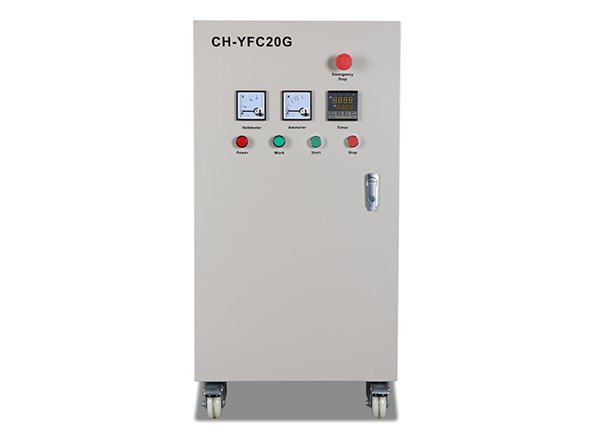
Ozone is a highly reactive gas composed of three oxygen atoms. Ozone in aquaculture, it acts as a massive “oxidizer,” effectively “burning” through organic pollutants and pathogens alike.
How Ozone Works in Aquaculture
Ozone is generated on-site and injected into the water, usually via a protein skimmer or a contact reaction vessel. Because it is an unstable molecule, it seeks to give up its third oxygen atom to any organic material it encounters. This process—oxidation—shatters the cell walls of bacteria and breaks down complex organic molecules.
The Pros of Ozone Systems
• Superior Water Clarity: Ozone is unmatched at removing the “yellow tint” from water, leading to crystal-clear visibility.
• Reduces Ammonia and Nitrite: While not a replacement for biofiltration, ozone assists in the oxidation of toxic nitrites to nitrates.
• Solids Flocculation: Ozone helps small particles clump together, making them easier for mechanical filters to remove.
• Pathogen Kill Rate: Ozone is generally faster at killing a wider spectrum of resistant viruses and parasites compared to standard UV doses.
The Cons of Ozone Systems
• Toxicity Risks: Residual ozone is toxic to aquatic life. You must use a de-ozonation method (like activated carbon or degassing) before the water returns to the livestock.
• Operational Complexity: Ozone requires ORP (Oxidation-Reduction Potential) controllers and monitors to ensure levels stay within a safe range.
• Corrosive Nature: Ozone degrades standard plastics and rubbers; all plumbing must be ozone-compatible (e.g., Kynar or stainless steel).
—
Pro-Tip: The “ORP” Sweet Spot
If using ozone, aim for an ORP level between 250mV and 350mV. Going above 400mV can cause gill damage in fish, while levels below 200mV indicate high organic loading and insufficient oxidation.
—
Comparative Analysis: Head-to-Head
| Feature | UV Sterilization | Ozone (O3) |
|---|---|---|
| Primary Function | Pathogen inactivation (DNA) | Oxidation and Disinfection |
| Water Clarity | No effect | Significant improvement |
| Safety | High | Moderate (Requires monitoring) |
| Residual Effect | None | Potential toxicity (Requires removal) |
| Operating Cost | Lower (Bulbs/Electricity) | Higher (Oxygen/Dryers/Electricity) |
| Pre-filtration Req. | High (Needs clear water) | Moderate (Cleans the water itself) |
—
When to Choose UV Sterilization
UV is the “gold standard” for specific scenarios where safety and simplicity are paramount:
• Small to Medium RAS: For hobbyists or small commercial setups where ease of use is vital.
• Sensitive Larval Stages: In hatcheries where even a minor ozone leak could wipe out fragile larvae.
• Targeting Specific Bacteria: If your primary goal is controlling common bacteria like Vibrio without altering water chemistry.
When to Choose Ozone Sterilization
Ozone is the “heavy lifter” for industrial-scale operations:
• High-Density Systems: Where organic loading (waste) is too high for mechanical filters alone.
• Public Aquariums: Where high-visibility and “gin-clear” water are required for display purposes.
• Pathogen-Heavy Environments: When dealing with tough-to-kill parasites or viruses that require high-intensity disinfection.
—
The Hybrid Approach: Why Not Both?
In many world-class aquaculture facilities, the question isn’t “Ozone vs. UV,” but rather how to use them together.
By placing an Ozone system at the beginning of the treatment loop, you oxidize organics and increase water clarity. This “pre-treated” water then passes through a UV sterilizer. Because the water is now crystal clear, the UV light can penetrate much deeper, achieving a near-total kill rate that neither system could reach alone. Furthermore, UV light actually helps break down residual ozone, acting as a safety buffer for your fish.
—
Factors Affecting Efficiency
To maximize your ROI on either system, consider these technical variables:
1. Flow Rate (Contact Time)
For UV, this is measured in millijoules per square centimeter (mJ/cm²). For ozone, it is the concentration (mg/L) multiplied by time. If the water moves too fast, neither system will work.
2. Total Suspended Solids (TSS)
High TSS will shield bacteria from UV light. In ozone systems, high TSS consumes the ozone gas before it can kill the bacteria, making the system inefficient.
3. Temperature and pH
Ozone is more stable in cooler water. As temperature rises, the solubility of ozone decreases, requiring higher production rates to achieve the same disinfection results.
—
FAQ: Common Questions on Aquaculture Sterilization
1. Does ozone affect the beneficial bacteria in my biofilter?
If managed correctly, no. Ozone should be applied in a separate reaction chamber. By the time the water reaches the biofilter, the ozone should be dissipated or neutralized, leaving your nitrifying bacteria safe.
2. Can UV sterilization kill parasites like Ich?
Yes, but it requires a much higher “dose” (mJ/cm²) than bacteria. To kill parasites, you often need to slow the flow rate through the UV chamber significantly to increase exposure time.
3. Is ozone expensive to run?
The primary costs are the initial equipment and the electricity for the generator and air dryer. However, by reducing the need for water changes and improving fish growth rates, ozone often pays for itself in large operations.
4. How do I know if my UV bulb is still working?
UV bulbs lose their germicidal effectiveness long before they stop glowing blue. Most manufacturers recommend replacing bulbs every 9,000 to 12,000 hours (approximately once a year).
5. Is ozone safe for shrimp farming?
Ozone is highly effective in shrimp aquaculture for controlling Vibrio, but it must be used with extreme caution. Shrimp are sensitive to oxidative stress, so automated ORP monitoring is mandatory.
—
Conclusion: Making the Right Choice
Choosing between Ozone and UV sterilization depends on the scale of your operation and your primary pain points. If you are struggling with water clarity and high organic loads, Ozone is your best bet. If you want a “set-and-forget” solution for pathogen control without chemical risks, UV is the winner.
For those seeking the pinnacle of bio-security, a integrated strategy using ozone for oxidation and UV for final-stage disinfection offers the most robust protection for your aquatic investment.
Ready to upgrade your aquaculture biosecurity?
Consult with a water treatment specialist today to calculate the precise dosage requirements for your system and ensure the health of your aquatic livestock.