A portable ozone generator is the most effective tool for permanently neutralizing stubborn organic odors, including smoke, mold, pet dander, and chemical fumes. Unlike air fresheners that mask smells with synthetic fragrances, these devices create activated oxygen (O3) to break down pollutants at a molecular level. Whether you are a car detailer, a property manager, or a homeowner dealing with a damp basement, a portable unit offers the professional-grade power needed to restore air quality in any localized environment.
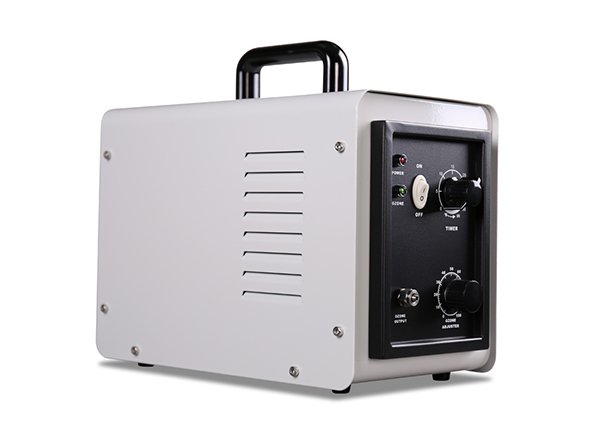
By reading this guide, you will gain a comprehensive understanding of how ozone technology works, the critical safety protocols required for “shock treatments,” and how to select a unit that balances milligrams-per-hour (mg/h) output with ease of transport.
How Portable Ozone Generators Work: The Science of O3
To understand why a portable ozone generator is so effective, you must understand the chemistry of the ozone molecule. Standard oxygen is O2; ozone is O3. That third oxygen atom is highly unstable and seeks to attach itself to other molecules.
When the generator emits ozone into a room, these “extra” atoms latch onto odor-causing particles and pathogens. This process, known as oxidation, effectively destroys the molecular structure of the pollutant. Once the reaction is complete, the O3 reverts back into breathable O2, leaving behind a “clean” scent often compared to the smell of the air after a lightning storm.
The Advantage of Portability
While industrial-sized units exist for massive remediation projects, portable ozone generators are designed for versatility. Most modern units weigh between 5 and 10 pounds and feature ergonomic handles. This allows you to treat a vehicle in the morning, a kitchen pantry in the afternoon, and a vacation rental in the evening without heavy lifting or complex setups.
Key Applications for Portable Ozone Units
The versatility of these devices makes them a staple in several industries. Below are the most common scenarios where a portable unit outperforms traditional air purifiers.
1. Automotive Detailing and Smoke Removal
One of the most common uses for a portable ozone generator is removing the smell of cigarette smoke or spilled food from a vehicle. Because ozone is a gas, it can penetrate porous surfaces that liquid cleaners cannot reach, such as the foam inside car seats and the deep fibers of the headliner.
2. Mold and Mildew Remediation in Small Spaces
In damp environments like basements, crawlspaces, or bathrooms, mold spores can linger in the air even after the visible mold is scrubbed away. A portable unit can be placed directly in the affected zone to perform a localized shock treatment, killing airborne spores and neutralizing the “musty” smell associated with fungal growth.
3. Real Estate and Property Management
Landlords often use portable ozone generators between tenants. If a previous occupant had pets or cooked with pungent spices, a 2-hour ozone treatment can be the difference between a successful showing and a property that sits on the market.
Critical Safety Protocols: Using Ozone Responsibly
Ozone is a powerful pulmonary irritant. High concentrations are essential for killing odors, but they are harmful to humans, pets, and plants. Safety is the most important factor when operating a portable ozone generator.
The “Occupant-Free” Rule
You must never operate an ozone generator in a room occupied by living beings. Before starting the machine, ensure that all people and pets have exited the area. It is also recommended to remove high-value houseplants, as ozone can damage their leaves.
The “Wait-and-Vent” Period
After the machine’s timer expires, the ozone remains in the air for some time. You should wait at least 30 to 60 minutes before re-entering the space. Once you enter, immediately open windows and doors to facilitate cross-ventilation.
Warning Signs and Indicators
Professional-grade portable units often feature bright LED indicators or audible alarms that signal when the machine is active. Always look for a model with a built-in countdown timer, which prevents the unit from running indefinitely and building up dangerous concentrations of O3.
Case Study: Restoring a Smoke-Damaged Studio Apartment
To illustrate the efficacy of these devices, consider a 500-square-foot studio apartment that suffered minor smoke damage from a kitchen fire.
• The Challenge: The walls, curtains, and upholstery smelled of burnt grease. Standard cleaning didn’t solve the problem.
• The Setup: A portable ozone generator with an output of 5,000 mg/h was placed on a central table. All windows were sealed, and internal doors were opened.
• The Process: The technician set the timer for 90 minutes and exited the premises.
• The Result: After a 60-minute dissipation period and 30 minutes of venting, the “burnt” smell was entirely gone. The molecular oxidation had neutralized the carbon-based soot particles trapped in the fabrics.
Buying Guide: What to Look for in a Portable Ozone Generator
Not all ozone generators are created equal. When shopping for a portable model, prioritize the following specifications:
Ozone Output (mg/h)
This is the “horsepower” of the unit. For small cars or closets, 3,000 mg/h is sufficient. For larger rooms or intensive mold remediation, look for units offering 10,000 mg/h or higher. Higher output allows for shorter treatment times.
Ceramic Plate Durability
Most portable units use ceramic plates to create the corona discharge that generates ozone. Look for models with washable or replaceable plates. If the plates become coated in dust or nicotine, the ozone output will drop significantly.
Timer Functionality
A “Hold” function is useful for industrial applications, but for portable home use, a 120-minute timer is the gold standard. This provides enough time for a deep shock treatment while ensuring the device shuts off automatically.
Build Quality (Stainless Steel vs. Plastic)
Since these units are portable and likely to be moved frequently, a stainless steel or powder-coated aluminum housing is preferable to plastic. Metal housings resist the corrosive nature of ozone better than cheaper polymers.
Step-by-Step Guide to Performing an Ozone Shock Treatment
If you have purchased a portable ozone generator, follow these steps for the best results:
• Clean the Source: Ozone works best when the physical source of the smell (trash, pet stains, mold) has been removed.
• Clear the Area: Ensure no people, pets, or sensitive plants remain in the room.
• Position the Unit: Place the generator in an elevated position (like a table), as ozone is heavier than air and will sink.
• Set the Timer: Refer to your manual for duration. A standard bedroom typically requires 30-60 minutes.
• Seal the Room: Close all windows and doors. Place a towel under the door to prevent gas leakage.
• The Wait Period: Once the timer ends, wait 45 minutes for the O3 to revert back to O2.
• Ventilate: Open all windows to let in fresh air.
Frequently Asked Questions (FAQ)
1. Are portable ozone generators legal?
In some regions, such as California, there are strict regulations regarding the sale of ozone generators for residential use while people are present. However, for “shock treatment” purposes where the room is unoccupied, they are widely used by professionals across the US and UK. Always check local environmental regulations.
2. Can I use an ozone generator to kill bed bugs?
While high concentrations of ozone can kill some insects, it is generally not an effective primary treatment for bed bugs. The levels of ozone required to penetrate deep into mattresses where bed bugs hide would be dangerously high and could damage household materials.
3. Does ozone damage electronics?
Extensive or frequent use of high-output ozone can cause the oxidation of certain materials, particularly natural rubber and some types of wire insulation. For occasional household use (1-2 hours), the risk to electronics is minimal, but industrial-strength treatments should be handled with caution.
4. How long does the “ozone smell” last?
Immediately after treatment, the air will have a “bleach-like” or “electric” smell. With proper ventilation, this dissipates within a few hours, leaving the air completely neutral.
Conclusion: Take Control of Your Environment
A portable ozone generator is a powerful investment for anyone serious about air quality and odor elimination. By moving beyond temporary sprays and moving toward molecular oxidation, you can tackle the toughest smells—from deep-seated tobacco smoke to persistent basement mustiness.
When using these devices, remember that safety is paramount. Choose a unit with a reliable timer, ensure the space is vacant, and always allow for proper ventilation post-treatment. Ready to restore your space? Invest in a high-output portable unit today and experience the difference of truly clean air.