Why Ozone Machines are Vital for Modern Hotels
To eliminate stubborn odors like tobacco smoke, mildew, or pet dander in a hospitality setting, a commercial ozone machine for hotels is the most effective tool available. Unlike perfumes or sprays that simply mask smells, an ozone generator utilizes O3 (activated oxygen) to oxidize odor-causing molecules at the source, effectively “sanitizing” the air and surfaces. By integrating ozone treatments into your housekeeping SOPs, you can turn an “unbuildable” room back into a revenue-generating asset in less than two hours.
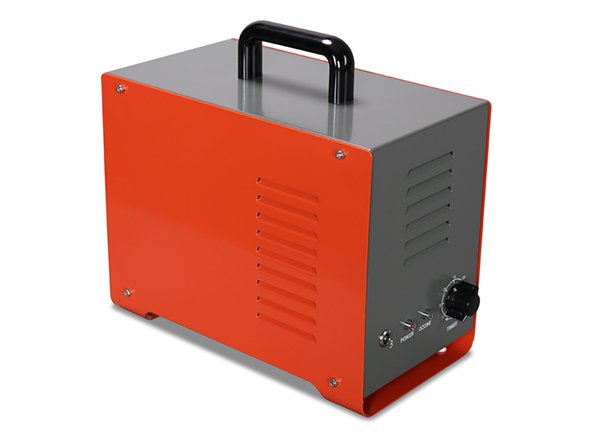
The primary goal for any hotel manager is to ensure a five-star sensory experience for every guest. The moment a guest opens a door and is met with a “musty” or “smoky” scent, your Net Promoter Score (NPS) drops. Investing in a high-quality ozone machine is not just an equipment purchase; it is a strategy for reputation management and operational efficiency.
How Ozone Technology Works in a Hospitality Environment
Ozone (O3) is a highly reactive gas. When generated by a machine via corona discharge or UV light, the third oxygen atom detaches and attaches itself to pollutants, bacteria, and odor molecules. This chemical reaction, known as oxidation, breaks down the molecular structure of the odor.
In a hotel setting, these machines are used for “shock treatments.” Because ozone is a lung irritant at high concentrations, these treatments are performed in vacant rooms. The result is a neutralized environment where the air smells “fresh” or “rain-like,” similar to the atmosphere after a lightning storm.
5 Critical Benefits of Ozone Machines for Housekeeping Teams
1. Rapid Turnover of Smoking Rooms
Even in non-smoking hotels, guests occasionally break the rules. Traditional deep cleaning of curtains and carpets can take days to dry. A commercial ozone generator can neutralize third-hand smoke in a 400-square-foot room in roughly 30 to 60 minutes, allowing for same-day re-booking.
2. Mold and Mildew Remediation
In coastal or high-humidity regions, “hotel smell” is often actually microbial volatile organic compounds (mVOCs) from mild mold growth. Ozone kills surface mold spores and penetrates porous surfaces to stop the musty scent at its origin.
3. Total Room Decarbonization
Ozone is a gas, meaning it reaches where liquids cannot. It penetrates the fibers of the headboard, the back of closets, and the depths of heavy drapes. This ensures a 360-degree deodorization that standard chemical misting fails to achieve.
4. Eliminating Pet Odors in Pet-Friendly Suites
Pet-friendly policies are a great revenue driver but can leave rooms smelling of “wet dog” or urine. Ozone breaks down the proteins in animal dander and uric acid, ensuring the next guest (who may have allergies) has a pristine experience.
5. ROI and Cost Reduction
A professional-grade ozone machine costs between $300 and $800. If it saves just three nights of “out-of-order” room status, the machine pays for itself. Furthermore, it reduces the need for expensive, recurring purchases of masking chemicals and aerosols.
Choosing the Right Ozone Machine for Your Property
Not all ozone generators are created equal. When sourcing a hotel-grade ozone machine, consider the following technical specifications:
• Ozone Output (mg/h): For a standard hotel room (approx 350 sq. ft.), a machine with an output of 5,000 to 10,000 mg/h is ideal. Anything less will take too long; anything significantly higher requires stricter timing to avoid damaging rubber gaskets in mini-fridges.
• Built-in Timer: This is a non-negotiable safety feature. Your housekeeping staff should be able to set a 60-minute dial and leave the room safely.
• Portability: Choose a unit with a heavy-duty handle and a lightweight chassis (under 10 lbs). Staff need to move these between floors efficiently.
• Maintenance: Look for machines with replaceable ceramic ozone plates that can be cleaned or swapped easily without professional servicing.
The Standard Operating Procedure (SOP) for Hotel Ozone Treatments
To maximize safety and effectiveness, your housekeeping team must follow a strict protocol.
Step 1: Deep Clean First
Ozone is not a replacement for cleaning. Remove the source of the odor. If a guest smoked, empty the ashtrays and wipe down hard surfaces. If there was a spill, extract the liquid from the carpet first.
Step 2: Clear the Room
Ozone is unsafe for humans, pets, and living plants. Ensure the room is completely empty. Place a “DO NOT ENTER: OZONE TREATMENT IN PROGRESS” sign on the door.
Step 3: Positioning the Machine
Place the machine on a high surface, such as a desk or dresser. Ozone is heavier than air; placing it high allows the gas to “sink” through the room, ensuring total coverage.
Step 4: Set the HVAC
Set the room’s AC to “Fan On” or “Recirculate.” This allows the ozone to enter the ductwork, killing any mold or odors trapped within the ventilation system.
Step 5: Execution and Ventilation
Run the machine for 30–60 minutes for standard odors, or up to 2 hours for heavy smoke. Once the timer ends, keep the room sealed for an additional 30 minutes to allow the O3 to revert back into O2 (oxygen). Finally, open the windows or door for 15 minutes to flush the room.
Ozone vs. Hydroxyl Generators: Which is Better for Hotels?
While ozone is the “gold standard” for power, some hotels are moving toward hydroxyl generators. Hydroxyls are slower and less powerful than ozone but have one major advantage: they can be used while people are in the room.
• Use Ozone for: Rapid, high-intensity odor removal in vacant rooms (the most common hotel scenario).
• Use Hydroxyl for: General lobby air freshening or cases where a guest cannot be moved, but a persistent smell must be addressed.
For most hospitality operations, the ozone machine remains the preferred tool due to its speed and lower price point.
Safety and Compliance: Protecting Staff and Assets
Safety is paramount when using ozone. Over-exposure to ozone can cause chest pain, coughing, and throat irritation.
• Staff Training: Ensure every housekeeper is certified in-house on how to set timers and recognize the “sweet” smell of ozone.
• Asset Protection: Do not over-treat. Running an ozone machine for 24 hours in a small room can oxidize the rubber seals in your PTAC units and degrade the elastic in mattress covers. Stick to the recommended “shock” times.
• OSHA Standards: Ensure your property complies with local air quality regulations regarding the use of industrial cleaners.
Case Study: A Coastal Resort’s 30% Turnaround Improvement
A 150-room resort in Florida faced a $20,000 annual loss due to “musty room” refunds during the humid summer months. They implemented a “Maintenance Monday” program where 10 rooms were treated with a high-output ozone machine on a rotating basis.
Within three months, the resort saw a 40% reduction in odor-related guest complaints and a significant increase in RevPAR (Revenue Per Available Room). The cost of the 4 machines they purchased was recouped in the first three weeks of the program.
FAQ: Common Questions About Hotel Ozone Machines
Q: Is it safe to use ozone in every hotel room?
A: Yes, provided the room is unoccupied by humans, pets, and plants during the treatment. Once the ozone dissipates, it is entirely safe for the guest to enter.
Q: Will ozone damage the electronics in the room?
A: With standard 30–60 minute treatments, there is no risk to electronics. Only prolonged, multi-day exposure at extremely high concentrations can potentially affect wiring or rubber components.
Q: How often should we replace the ozone plates?
A: For a busy hotel using the machine daily, plates should be cleaned every 3 months and replaced every 12-18 months to maintain peak performance.
Q: Can ozone remove the smell of “curry” or heavy cooking spices?
A: Yes. Food odors are organic compounds that ozone is specifically designed to break down. Heavy cases may require two 90-minute treatments.
Final Thoughts: Investing in Guest Satisfaction
In the competitive landscape of modern hospitality, cleanliness is the ultimate luxury. A persistent odor is a “visible” sign of poor maintenance to a guest. By equipping your team with a professional ozone machine for hotels, you are providing them with the tools to maintain a pristine, odor-free environment that drives positive reviews and repeat bookings.
Ready to upgrade your housekeeping arsenal? Implement an ozone protocol this quarter and experience the difference in your property’s air quality and bottom line.