An ozone water purifier is a powerful water treatment system.
It uses ozone to clean water fast. It disinfects water. It helps remove odor, taste issues, and some contaminants. It can also support better water quality in homes, businesses, and industrial systems.
If you are looking for a modern purification method, ozone is worth understanding.
This guide explains what an ozone water purifier is, how it works, where it is used, and what to consider before choosing one.
What Is an Ozone Water Purifier?
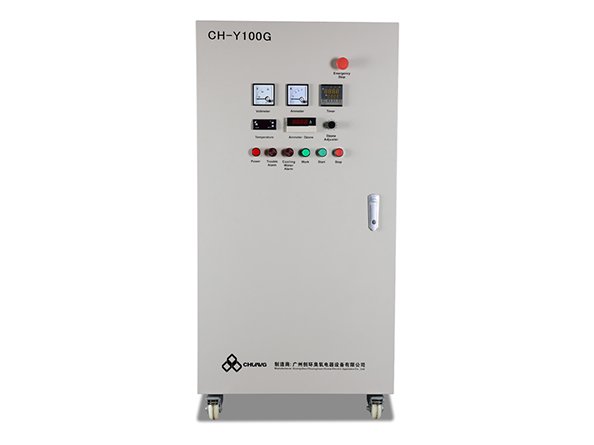
An ozone water purifier is a device or system that uses ozone gas to treat water.
Ozone is made from oxygen. The purifier creates ozone and injects it into water. Once ozone enters the water, it reacts quickly.
It kills microorganisms. It oxidizes unwanted substances. It helps improve water clarity, smell, and taste.
Unlike a basic filter, it does more than trap particles. It actively changes water chemistry.
That is why ozone is used in many advanced water treatment setups.
How Ozone Purification Works
The process is simple in concept.
First, the system creates ozone from oxygen or dry air.
Then, the ozone is added to the water.
Next, ozone reacts with contaminants.
It attacks bacteria and viruses. It oxidizes iron and manganese. It helps reduce odor and some organic pollutants.
After the treatment, the unused ozone breaks down into oxygen.
This is one reason ozone is popular. It works strongly. Then it disappears naturally.
Why Use an Ozone Water Purifier?
People use ozone water purifiers for several reasons.
Strong disinfection
Ozone is powerful against many microorganisms.
It works fast and can improve water safety.
Better taste and smell
If water has an unpleasant smell or taste, ozone can help.
Oxidation of metals
Ozone can help convert iron and manganese into forms that are easier to remove.
Lower chemical residue
Ozone does not remain in the water for long.
It breaks down into oxygen after treatment.
Useful in many applications
It can be used in homes, food processing, bottled water, hospitality, and industrial systems.
Main Parts of an Ozone Water Purifier
A full system usually includes several components.
- Ozone generator
- Oxygen or air source
- Injector or diffuser
- Contact tank
- Off-gas destruction unit
- Safety controls
Each part has a purpose.
If one part is weak, the system may not work well.
Corona Discharge vs UV Ozone Generation
There are two common ways to make ozone.
Corona discharge
This is the most common method.
It uses electricity to create ozone from oxygen.
It is efficient. It produces more ozone. It is suitable for larger or more demanding systems.
UV generation
This method uses ultraviolet light to create ozone.
It is simpler, but it usually produces less ozone.
It is better for smaller systems.
For most water purification applications, corona discharge is the stronger choice.
What Ozone Can Help Remove
Ozone is useful for many water problems.
It can help reduce:
- Bacteria
- Viruses
- Odor
- Taste issues
- Iron
- Manganese
- Color
- Some organic contaminants
This makes it a strong option when water needs both disinfection and oxidation.
Benefits of an Ozone Water Purifier
An ozone purifier offers several clear benefits.
Fast treatment
Ozone reacts quickly.
This makes it useful in systems that need efficient water treatment.
Better water quality
It can improve smell, taste, and appearance.
Reduced chemical use
Some systems can use fewer chemicals when ozone is added.
Good for advanced treatment
It works well when basic filtration is not enough.
Flexible use
It can serve homes, commercial sites, and industrial plants.
Limitations You Should Know
Ozone is strong, but it is not perfect.
It does not last long in water
Ozone breaks down quickly.
That means it does not give long-term residual protection.
It needs proper design
The system must be sized correctly.
It needs enough contact time and good gas transfer.
It needs safety controls
Ozone in the air can be harmful at high levels.
Proper ventilation and off-gas destruction are important.
It needs maintenance
Moisture, filters, and generator parts all need regular care.
If maintenance is ignored, performance drops.
Ozone Water Purifier vs Other Purification Methods
People often compare ozone with other systems.
Ozone vs chlorine
Ozone is stronger in many treatment tasks.
But chlorine lasts longer in water and gives residual protection.
Ozone vs carbon filters
Carbon filters improve taste and reduce some chemicals.
But they do not disinfect like ozone.
Ozone vs UV sterilizers
UV can kill microorganisms.
But it does not oxidize iron, manganese, or odor the way ozone can.
Many systems use ozone together with other methods.
Where Ozone Water Purifiers Are Used
Ozone water purifiers are used in many places.
- Homes
- Restaurants
- Bottled water plants
- Food processing facilities
- Beverage production
- Hotels
- Hospitals
- Industrial water systems
- Aquaculture
- Commercial kitchens
Each use case has different water quality needs.
That is why the system should match the job.
What to Consider Before Buying
If you are choosing an ozone water purifier, think about these points.
Water source
Is the water from a well, municipal supply, or industrial source?
Water quality
What problems are present?
Bacteria? Iron? Odor? Color?
Flow rate
How much water needs treatment per day?
Ozone output
The system must produce enough ozone for the demand.
Contact time
The water must stay in contact with ozone long enough for treatment.
Safety features
Look for ventilation, monitoring, and off-gas handling.
Maintenance access
Choose a system that is easy to service.
Is an Ozone Water Purifier Right for You?
An ozone water purifier can be a strong choice if you need:
- Strong disinfection
- Better odor control
- Cleaner-looking water
- Iron or manganese oxidation
- Lower chemical use
It may not be enough by itself if you need long-lasting protection after treatment.
In that case, another disinfectant may still be needed.
Final Thoughts
An ozone water purifier is a smart and effective water treatment tool.
It makes ozone. It adds ozone to water. Then it helps disinfect and oxidize contaminants.
The result is cleaner, safer, better-quality water.
But the system must be selected carefully.
It needs the right generator. The right contact time. The right safety features. And the right maintenance.
Used well, ozone can be one of the most effective purification methods available.