BOD reduction using ozone is a highly efficient chemical oxidation process that breaks down complex, oxygen-depleting organic pollutants into simpler, biodegradable molecules. If your facility is struggling with high discharge penalties or failing to meet strict environmental regulations, injecting ozone gas into your effluent offers an immediate, highly effective solution. Unlike traditional biological treatments, ozone acts almost instantly and leaves zero chemical residue behind.
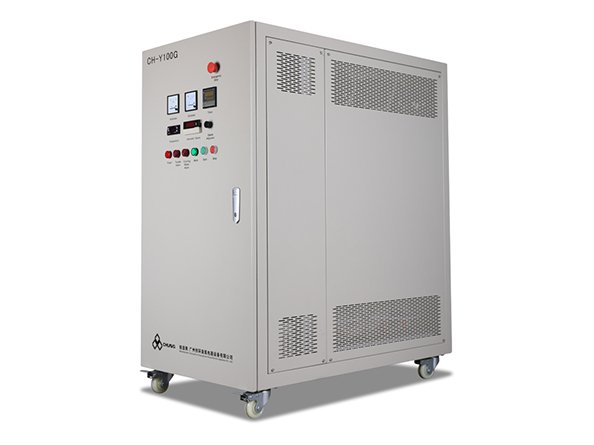
By reading this comprehensive guide, you will learn exactly how ozone interacts with wastewater organics and why it outperforms traditional aeration. We will walk you through the precise mechanisms of oxidation, the operational benefits for your facility, and how to choose the right equipment. Ultimately, you will gain the technical knowledge needed to eliminate costly compliance fines and streamline your entire water treatment process.
What is Biological Oxygen Demand (BOD) and Why Does it Matter?
Before diving into advanced treatment solutions, we must clearly define the problem. Biological Oxygen Demand (BOD) measures the amount of dissolved oxygen consumed by microorganisms as they decompose organic matter in water. When industrial or municipal facilities discharge water with high BOD levels into natural waterways, it severely depletes the oxygen available for aquatic life.
This oxygen depletion leads to massive environmental consequences, including fish kills and the destruction of local ecosystems. Because of this, regulatory bodies like the EPA enforce strict effluent discharge limits. Facilities that exceed these limits face crippling financial penalties, forced shutdowns, or severe legal repercussions.
Traditional methods for lowering BOD usually involve large aeration tanks and biological microbes. While these natural methods work, they require massive physical footprints and generate immense amounts of solid secondary sludge. This is exactly where advanced chemical oxidation steps in to solve these operational bottlenecks.
How Does BOD Reduction Using Ozone Work?
The science behind BOD reduction using ozone is rooted in its incredible oxidizing power. Ozone (O3) is a highly reactive, unstable gas composed of three oxygen atoms. When introduced into wastewater, it aggressively attacks complex organic carbon chains.
There are two primary pathways through which ozone destroys BOD-causing organic matter:
1. Direct Ozone Oxidation
In direct oxidation, the ozone molecule reacts directly with the specific organic pollutants in the wastewater. Ozone is highly selective, meaning it naturally targets specific molecular bonds, such as double bonds and aromatic rings. By breaking these complex organic chains, ozone transforms highly toxic or non-biodegradable organics into smaller, easily digestible molecules.
2. Advanced Oxidation Processes (AOP) and Hydroxyl Radicals
Wastewater with highly resistant organic compounds often requires an Advanced Oxidation Process (AOP). When ozone is combined with hydrogen peroxide (H2O2) or ultraviolet (UV) light, it produces hydroxyl radicals (•OH). Hydroxyl radicals are among the most powerful oxidants on earth, secondary only to fluorine.
Unlike direct ozone, hydroxyl radicals are non-selective. They will rapidly attack and mineralize virtually any organic compound in the wastewater. This aggressive chemical reaction significantly lowers both BOD and Chemical Oxygen Demand (COD) in a fraction of the time required by traditional methods.
Key Operational Benefits of Ozone Treatment
Transitioning to an ozone-based treatment system offers numerous advantages over conventional chlorination or biological aeration. Here are the most impactful benefits for industrial and municipal facilities:
• Zero Sludge Production: Biological treatments produce tons of secondary sludge that must be dewatered, transported, and landfilled. Ozone is a gas that converts back into pure oxygen, meaning it generates absolutely no hazardous sludge.
• Rapid Reaction Times: Microbes take hours or even days to consume organic matter in large aeration basins. In contrast, an ozone generator produces gas that reacts with pollutants in a matter of minutes, vastly increasing your facility’s daily throughput.
• Color and Odor Removal: Alongside reducing BOD, ozone aggressively attacks the compounds responsible for foul odors and discoloration. This results in crystal-clear, odor-free effluent that safely meets all discharge standards.
• Increased Dissolved Oxygen: As ozone (O3) rapidly degrades after the oxidation process, it naturally reverts back into diatomic oxygen (O2). This thoroughly oxygenates the treated water, ensuring that the final discharge actually benefits the receiving aquatic ecosystem.
How to Implement an Ozone System in Your Facility
Integrating this technology requires careful planning and precise engineering. You cannot simply pump ozone gas into a tank and hope for the best. To achieve successful BOD reduction using ozone, you must follow a highly structured implementation process.
Step 1: Conduct Thorough Water Profiling
Before purchasing any equipment, you must understand your exact water chemistry. You need to measure your baseline BOD, COD, Total Suspended Solids (TSS), and pH levels. High levels of TSS can prematurely consume ozone, so physical filtration is often required before the water reaches the oxidation stage.
Step 2: Determine Your Ozone Demand
Ozone demand is the exact amount of ozone gas required to neutralize the organics in your specific effluent. This is usually determined through bench-scale pilot testing. Engineers will inject varying concentrations of ozone into your wastewater samples to find the optimal dosage rate that yields the desired BOD reduction.
Step 3: Select the Injection Method
Ozone must be efficiently dissolved into the water to work effectively. Using fine-bubble diffusers at the bottom of a contact tank is a common method, but it can be inefficient. For maximum mass transfer, most modern facilities utilize venturi injectors, which forcefully mix the gas into the water stream under high pressure.
Choosing the Right Ozone Generator for Wastewater Treatment
Sizing and selecting your equipment is the most critical phase of your upgrade. If your generator is undersized, you will fail to meet your discharge limits. If it is drastically oversized, you will waste capital and electrical energy.
When evaluating an ozone generator for wastewater Treatment, you must look closely at its production capacity, which is measured in pounds or grams per hour. You must also consider the feed gas. High-capacity generators require an integrated oxygen concentrator, as feeding pure oxygen into the system yields a much higher ozone concentration than feeding ambient air.
Furthermore, consider the cooling mechanism of the unit. Creating ozone generates significant heat, and excess heat actually destroys the ozone gas before it leaves the machine. Ensure the ozone generator you select features a robust, liquid-cooled system to maintain peak production efficiency during continuous, 24/7 operation.
Real-World Applications: Industries Benefiting from Ozone
Different industries produce vastly different types of wastewater. However, the versatility of ozone allows it to be customized for a wide variety of high-BOD applications.
Food and Beverage Processing
Breweries, dairies, and meat processing plants generate wastewater heavily laden with sugars, proteins, and fats. These organic materials cause massive spikes in BOD. Ozone treatment rapidly breaks down these long-chain fatty acids and sugars, allowing food processing facilities to discharge water safely into municipal sewers without paying heavy surcharge fees.
Textile and Dye Manufacturing
The textile industry struggles with complex, synthetic dyes that are notoriously difficult for biological microbes to digest. An Advanced Oxidation Process utilizing ozone easily cleaves the chemical bonds of these dyes. This not only significantly lowers the BOD but also destroys the intense coloration of the wastewater.
Pharmaceutical and Chemical Plants
Pharmaceutical wastewater contains active pharmaceutical ingredients (APIs), endocrine disruptors, and complex chemical solvents. These toxic compounds will actively kill the microbes in a traditional biological treatment plant. Ozone easily tackles this toxic effluent, breaking down the synthetic chemicals into harmless, naturally biodegradable byproducts.
Hypothetical Case Study: Upgrading a Municipal Plant
To truly understand the impact of this technology, let us look at a hypothetical scenario involving a mid-sized municipal wastewater treatment plant.
The Problem:
The “Clear Creek Municipal Plant” was struggling with seasonal spikes in BOD, frequently hitting 400 mg/L in their raw effluent. Their aging aeration basins could only reduce this to 60 mg/L, consistently missing their strict local discharge limit of 30 mg/L. As a result, the plant was facing fines of $5,000 per month and was threatened with a complete shutdown.
The Solution:
Instead of spending $3 million to build a massive new biological aeration basin, the plant managers decided to retrofit their existing infrastructure. They installed an industrial-grade ozone generator for wastewater Treatment, placing the ozone contact chamber precisely between their secondary clarifier and final discharge point.
The Results:
• BOD Dropped Instantly: The injection of ozone successfully oxidized the remaining stubborn organics. The final effluent BOD plummeted from 60 mg/L down to an impressive 12 mg/L, well below the required regulatory limit.
• Massive Cost Savings: By avoiding the construction of a new aeration tank, the facility saved millions in capital expenditure. The elimination of monthly fines resulted in an immediate positive ROI.
• Elimination of Chlorine: The plant was previously using chlorine for disinfection. Because ozone is a vastly superior disinfectant, they completely eliminated their hazardous chemical chlorine storage, drastically improving workplace safety.
Frequently Asked Questions (FAQ)
Does ozone reduce COD as well as BOD?
Yes, absolutely. Chemical Oxygen Demand (COD) measures all chemically oxidizable compounds in the water. Because ozone is a powerful, non-selective oxidant—especially when used in an Advanced Oxidation Process—it aggressively attacks and lowers both BOD and COD simultaneously.
Is BOD reduction using ozone expensive to operate?
The primary operating cost of an ozone system is the electricity required to run the generator and the oxygen concentrator. While the initial capital expenditure can be higher than simple chemical dosing systems, the long-term ROI is excellent. You eliminate the recurring costs of purchasing liquid chemicals, transporting sludge, and paying regulatory compliance fines.
What happens to the ozone after the water is treated?
One of the greatest advantages of ozone is its short half-life. After the ozone oxidizes the organic pollutants in the wastewater, any residual gas quickly naturally degrades back into standard diatomic oxygen (O2). There are no toxic chemical residuals left in the water.
Can ozone completely replace biological treatment?
While ozone is incredibly powerful, it is rarely used to replace biological treatment entirely in extremely high-BOD environments. Instead, it is best utilized as a pre-treatment step to break down toxic organics so microbes can digest them, or as a final polishing step to ensure the effluent meets strict discharge limits.
Conclusion & Next Steps
Navigating stringent environmental discharge limits does not have to be an operational nightmare. BOD reduction using ozone provides a clean, highly efficient, and rapid solution to organically overloaded wastewater. By transitioning to advanced chemical oxidation, your facility can eliminate hazardous sludge, destroy stubborn complex organics, and confidently achieve regulatory compliance every single day.
If your facility is currently struggling to meet local effluent discharge limits, it is time to modernize your approach. Stop relying on outdated, slow biological methods and hazardous liquid chemicals.
Ready to revolutionize your wastewater treatment process? Contact our team of specialized environmental engineers today to request a free water profile analysis, and let us help you size the perfect ozone generation system for your facility!