Ozone COD removal is a highly advanced chemical oxidation process used to break down stubborn, toxic, and non-biodegradable organic compounds in industrial wastewater. If your facility is struggling to meet strict environmental discharge limits, implementing this technology immediately reduces Chemical Oxygen Demand (COD) without generating hazardous secondary sludge.
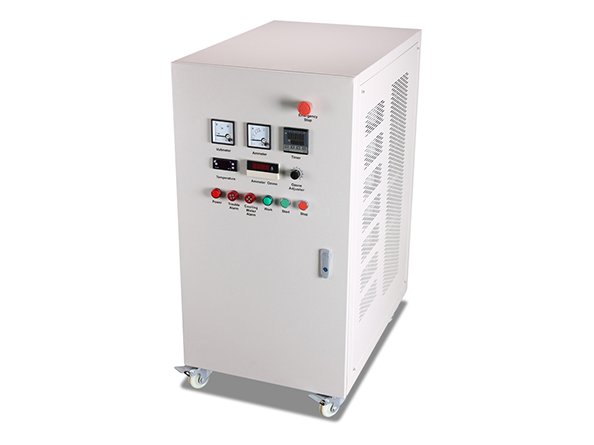
Facility managers and environmental engineers face increasing pressure to lower effluent surcharge fees and maintain strict regulatory compliance. Traditional biological treatments often fail when exposed to complex industrial chemicals, leaving you with persistently high COD levels.
By reading this comprehensive guide, you will learn the exact science behind ozone oxidation, how it compares to conventional treatment methods, and the actionable steps to seamlessly integrate an ozone generator into your existing water treatment infrastructure.
What is Chemical Oxygen Demand (COD) and Why Does it Matter?
Before diving into the mechanics of ozone treatment, it is vital to understand the enemy. Chemical Oxygen Demand (COD) measures the total amount of oxygen required to chemically oxidize all organic and inorganic compounds in a water sample.
High COD levels indicate heavy pollution. If this wastewater is discharged into rivers or municipal sewer systems, it rapidly depletes the dissolved oxygen in the water, suffocating aquatic life and disrupting ecosystems. Consequently, regulatory bodies like the EPA impose strict limits on effluent discharge. Exceeding these limits results in crippling financial penalties and potential facility shutdowns.
While Biological Oxygen Demand (BOD) measures the organics that bacteria can digest, COD encompasses everything—including recalcitrant (hard-to-degrade) compounds. This is precisely why standard biological treatment plants often fall short, and why advanced chemical oxidation is required.
The Science Behind Ozone COD Removal
Understanding how ozone destroys pollutants is the key to optimizing your wastewater facility. Ozone ($O_3$) is a highly unstable and incredibly powerful oxidizing agent. When injected into wastewater, it attacks organic pollutants through two distinct chemical pathways: direct oxidation and indirect oxidation.
1. Direct Oxidation
During direct oxidation, molecular ozone reacts selectively with specific organic compounds. It primarily targets molecules containing double bonds, aromatic rings, and specific functional groups.
This process is highly effective for breaking down complex molecules like pesticides, dyes, and pharmaceutical residues. However, direct oxidation is a relatively slow process and may not completely mineralize the pollutants into carbon dioxide and water. Instead, it cleaves large, toxic molecules into smaller, biodegradable fragments, significantly improving the water’s BOD/COD ratio.
2. Indirect Oxidation (Advanced Oxidation Process)
Indirect oxidation occurs when ozone decomposes in water to form hydroxyl radicals ($OH^\bullet$). These radicals are among the most potent oxidants known to science, far exceeding the oxidizing potential of chlorine or hydrogen peroxide.
Unlike direct molecular ozone, hydroxyl radicals are non-selective. They react instantaneously with almost all organic compounds in the wastewater, aggressively tearing them apart until they are fully mineralized. When you combine an ozone system with ultraviolet (UV) light or hydrogen peroxide, you create an Advanced Oxidation Process (AOP), maximizing the generation of these powerful radicals for ultimate COD destruction.
Why Traditional Treatment Methods Fail Where Ozone Succeeds
For decades, industries relied heavily on chemical coagulation, activated carbon, and biological aeration tanks. While these methods have their place, they possess critical limitations when dealing with modern, highly complex industrial effluent.
The Problem with Chemical Coagulation
Chemical treatments use heavy metal salts to force pollutants to clump together so they can be filtered out. While this reduces COD, it does not destroy the pollutants. Instead, it transfers the problem from the water to a solid state, generating massive volumes of toxic sludge. Disposing of this hazardous sludge is incredibly expensive and poses long-term environmental liabilities.
The Limitations of Biological Treatment
Biological aeration tanks use living microorganisms to consume organic waste. However, bacteria are notoriously sensitive. If your wastewater contains sudden spikes in toxicity, heavy metals, or drastic pH changes, the bacteria will die, bringing your entire treatment process to a grinding halt. Furthermore, recalcitrant organics are essentially “indigestible” to these microorganisms, meaning your COD levels will remain dangerously high regardless of how much air you pump into the tanks.
The Ozone Advantage
In contrast, ozone COD removal physically alters and destroys the chemical structure of pollutants. Because it is generated on-site from ambient air or pure oxygen, there are no dangerous chemicals to purchase, transport, or store. Most importantly, ozone leaves zero chemical residue; it rapidly decomposes back into natural oxygen, leaving your water clean, safe, and completely sludge-free.
Key Benefits of Using an Ozone Generator for Wastewater Treatment
Investing in the right technology can drastically shift your facility’s operational expenditure (OPEX). Here are the primary reasons top-tier engineering firms recommend an ozone generator for wastewater Treatment.
• Complete Sludge Elimination: Because ozone destroys organics at the molecular level, it prevents the accumulation of secondary hazardous waste, slashing disposal costs.
• Rapid Reaction Times: While biological processes take days to treat a batch of water, ozone reactions occur in minutes. This drastically reduces the necessary footprint for holding tanks.
• Decolorization and Odor Control: Ozone is exceptionally effective at breaking down the carbon double-bonds responsible for synthetic dyes and foul odors, making it invaluable for the textile and rendering industries.
• Enhanced Biodegradability: By partially oxidizing recalcitrant compounds, ozone can be used as a pre-treatment to make toxic water easily digestible for a downstream biological treatment plant.
• On-Demand Generation: You produce ozone exactly when and where you need it, eliminating supply chain vulnerabilities associated with bulk liquid chemicals.
Step-by-Step: How to Implement an Ozone Treatment System
Designing an efficient ozone system requires careful engineering. Simply bubbling ozone gas into a tank of water will result in wasted energy and poor COD reduction. To achieve maximum efficiency, you must follow a strictly engineered process.
Step 1: Pre-Treatment Filtration
Ozone is a premium oxidant. You do not want to waste its powerful energy destroying easily removable solids. Always implement mechanical pre-treatment—such as dissolved air flotation (DAF) or fine screening—to remove total suspended solids (TSS) before the water enters the ozone contact tank.
Step 2: Sizing the Ozone Generator
Sizing is the most critical step. The capacity of your ozone generator must be calculated based on your flow rate, starting COD levels, and your target discharge limits. Typically, it takes between 1.5 to 3.0 parts of ozone to destroy 1 part of COD, depending on the specific chemical matrix of the water. Consulting with an applications engineer to perform bench-scale treatability testing is highly recommended.
Step 3: Optimizing Mass Transfer
Ozone is a gas, and COD is dissolved in water. To make them react, the ozone gas must be efficiently dissolved into the liquid. Mass transfer efficiency is achieved using specialized venturi injectors, static mixers, or fine bubble diffusers. Poor mass transfer means valuable ozone off-gasses into the atmosphere without treating the water.
Step 4: Contact Time and Reaction Vessels
Once injected, the ozonated water enters a contact vessel. Depending on whether you are relying on direct oxidation or indirect hydroxyl radical formation, the water must remain in this tank for anywhere from 10 to 45 minutes. Baffle walls are often used inside the tank to prevent short-circuiting and ensure uniform treatment.
Step 5: Ozone Destruction and Off-Gas Venting
Not all ozone will dissolve into the water. The remaining unreacted gas will collect at the top of the contact tank. Because ozone gas is toxic to breathe, it must be safely vented through a catalytic ozone destruct unit, which immediately reverts the harmful gas back into safe, breathable oxygen before releasing it outdoors.
Real-World Applications and Hypothetical Case Studies
To truly understand the power of advanced oxidation, let’s explore how ozone COD removal operates in highly demanding industrial scenarios.
Case Study 1: The Textile Dyeing Facility
A large-scale textile plant was struggling with deeply colored effluent and a stubborn COD level of 1,200 mg/L. Local regulations required a discharge limit below 250 mg/L. Their existing biological plant could only bring the COD down to 600 mg/L because the synthetic azo dyes were entirely non-biodegradable.
By retrofitting an industrial ozone generator into their post-treatment process, the facility achieved immediate results. The ozone rapidly cleaved the aromatic rings of the azo dyes. Within 20 minutes of contact time, the water was completely decolorized, and the COD plummeted to 180 mg/L. The facility avoided $15,000 per month in effluent surcharges and achieved a full return on investment (ROI) within 14 months.
Case Study 2: Pharmaceutical Active Ingredient (API) Manufacturing
A pharmaceutical plant generated a low-volume, high-toxicity wastewater stream loaded with antibiotic residues. A biological treatment approach was impossible, as the antibiotics actively killed off the wastewater bacteria. Their only option was hauling the wastewater away at an exorbitant cost of $1.20 per gallon.
The engineering team implemented an Advanced Oxidation Process (AOP) combining ozone and hydrogen peroxide. The resulting hydroxyl radicals forcefully mineralized the complex antibiotic compounds into harmless basic elements. The treated water was then safely discharged to the municipal sewer. The plant reduced off-site hauling costs by 95%, saving hundreds of thousands of dollars annually.
Overcoming the Perceived Challenges of Ozone Technology
Despite the massive advantages, some facility managers hesitate to adopt ozone due to perceived drawbacks. Let’s address these directly.
High Initial CAPEX: It is true that industrial ozone systems require a higher initial capital expenditure compared to a simple chemical dosing skid. However, when you calculate the total cost of ownership—factoring in the elimination of consumable chemicals, the removal of sludge disposal fees, and the end of regulatory fines—the long-term OPEX savings are undeniable.
Operational Complexity: Older ozone systems were notoriously finicky. Today’s modern units feature solid-state electronics, automated PLC touchscreens, and real-time dissolved ozone monitors. They are essentially plug-and-play systems that automatically adjust their output based on the fluctuating COD levels of your effluent.
Frequently Asked Questions (FAQ)
Can ozone completely replace my biological wastewater treatment plant?
In most cases, ozone is used to complement biological treatment rather than replace it entirely. Ozone is highly effective at acting as a pre-treatment to break down toxic organics into digestible food for bacteria, or as a post-treatment to polish off the remaining recalcitrant COD that the bacteria missed.
How much ozone is required to remove 1 mg/L of COD?
While the exact stoichiometric ratio varies based on the specific molecular structure of the pollutants, a widely accepted engineering rule of thumb is that it takes roughly 1.5 to 3.0 mg/L of ozone to remove 1 mg/L of COD. Bench testing is required for an exact calculation.
Is ozone gas dangerous to my plant operators?
While concentrated ozone gas is a respiratory irritant, modern ozone systems are incredibly safe. They operate under a negative pressure vacuum, meaning if a leak occurs, ambient air is pulled in rather than ozone leaking out. Furthermore, ambient ozone monitors automatically shut down the system if gas levels exceed OSHA safety thresholds.
Does temperature affect ozone COD removal efficiency?
Yes. Ozone gas is more soluble in cold water. If your industrial effluent is excessively hot (above 100°F / 38°C), the ozone will degrade too rapidly and off-gas before it has time to react with the COD. In high-temperature scenarios, the water must be passed through a heat exchanger prior to ozone injection.
Conclusion: Take Control of Your Wastewater Effluent Today
Relying on outdated treatment methods to handle modern industrial pollutants is a recipe for regulatory fines, sky-high surcharge fees, and environmental damage. By implementing ozone COD removal, you equip your facility with the most aggressive, clean, and efficient oxidation technology available on the market.
From completely eliminating toxic secondary sludge to breaking apart the most stubborn recalcitrant organics, investing in a high-quality ozone generator for wastewater Treatment is the definitive way to future-proof your facility’s compliance.
Ready to permanently lower your COD levels and eliminate discharge fines? Contact our team of advanced oxidation engineers today to schedule a comprehensive wastewater treatability study and discover exactly how an ozone system can be customized for your unique facility.