Utilizing ozone in food processing wastewater is the most highly effective, chemical-free method for aggressively lowering Chemical Oxygen Demand (COD), Biochemical Oxygen Demand (BOD), and eradicating harmful pathogens. If your facility is struggling with strict municipal discharge limits, soaring chemical costs, or toxic sludge disposal fees, integrating an ozone-based advanced oxidation process (AOP) is the definitive solution.
By the end of this comprehensive guide, you will understand exactly how ozone oxidation works to break down complex organic matter. You will learn the crippling hidden costs of traditional chemical treatments and how transitioning to modern technology provides an unmatched return on investment. Furthermore, we will walk you through the precise steps required to implement this technology in your facility to ensure long-term environmental compliance.
Why Traditional Wastewater Treatment is Failing the Food Industry
Food and beverage manufacturing produces some of the most complex, highly organic effluent of any industrial sector. Relying on outdated treatment methods is no longer a viable long-term strategy for modern facilities.
The Problem with Chemical Disinfectants
For decades, facilities have relied heavily on chlorine and other harsh chemicals to sanitize effluent before discharge. However, these traditional chemicals react with organic matter to form highly toxic disinfection byproducts (DBPs), such as trihalomethanes. Not only are these byproducts dangerous to local aquatic ecosystems, but environmental protection agencies are strictly regulating and heavily fining facilities that discharge them.
The Rising Costs of Sludge Disposal
Chemical treatments inherently generate massive amounts of secondary sludge. This biological waste requires expensive dewatering processes, costly transportation, and high landfill tipping fees. Facility managers are bleeding capital just to manage the waste created by their own water treatment processes.
Inadequate Odor Control
Food processing effluent—particularly from meat, poultry, and dairy plants—is notorious for generating severe, noxious odors as proteins and fats decompose. Chemical masks and biological scrubbers often fail to neutralize these odors at the source. This leads to severe community complaints, local government scrutiny, and potential facility shutdowns.
How Ozone in Food Processing Wastewater Changes the Game
Integrating ozone in food processing wastewater completely disrupts the traditional, chemical-heavy approach to effluent management. Ozone (O3) is one of the most powerful commercially available oxidants, reacting up to 3,000 times faster than chlorine.
The Science of Ozone Oxidation
Ozone is created by splitting stable oxygen molecules (O2) into highly volatile single oxygen atoms, which then bind to other oxygen molecules to form O3. When this dissolved ozone is injected into a wastewater stream, it violently attacks the cellular walls of bacteria, viruses, and complex organic compounds. This process, known as cellular lysis, instantly destroys the contaminants.
Once the oxidation process is complete, the ozone safely reverts back to natural, dissolved oxygen (O2). This unique chemical reaction means that absolutely zero toxic chemical residue is left behind in your wastewater stream.
Key Benefits for Food and Beverage Plants
The transition to ozone technology yields immediate and measurable operational benefits for industrial food processors:
• Rapid BOD and COD Reduction: Ozone breaks down large, non-biodegradable organic molecules into smaller, easily digestible compounds, drastically lowering your discharge penalty fees.
• Total Pathogen Destruction: Ozone easily neutralizes stubborn pathogens like Salmonella, E. coli, and Listeria, ensuring complete biological compliance.
• Instant Odor Elimination: By oxidizing the hydrogen sulfide and ammonia compounds responsible for foul smells, ozone permanently eliminates odors rather than just masking them.
• Color Removal: For facilities processing heavily dyed foods or dark liquids (like breweries or beet processors), ozone effectively acts as a powerful bleaching agent, turning dark, murky effluent clear.
• Increased Dissolved Oxygen (DO): Because ozone reverts to oxygen, it naturally increases the DO levels of your effluent, which is a major compliance requirement for discharging into local municipal waterways.
Essential Equipment: Choosing an Ozone Generator
To harness the power of ozone, a facility must generate it on-site. Because ozone has a very short half-life (usually 20 to 30 minutes in water), it cannot be stored in tanks or shipped in barrels like traditional chemicals.
How an Industrial Ozone Generator Works
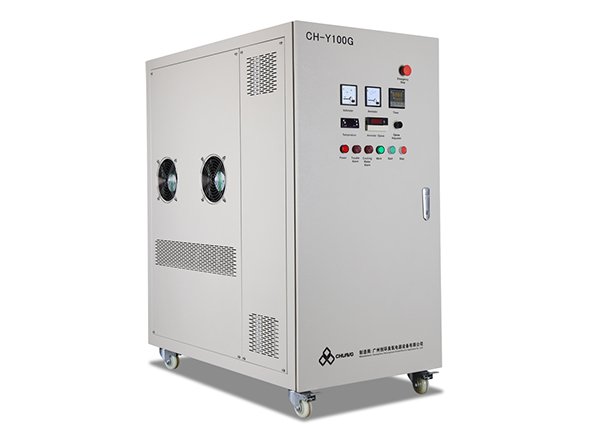
An industrial ozone generator utilizes a process called Corona Discharge to create ozone on demand. The system pulls in ambient air, passes it through an oxygen concentrator to isolate pure oxygen, and pushes it across a high-voltage electrical field. This electrical arc splits the oxygen molecules, creating the active ozone gas that is then dissolved directly into your wastewater via a Venturi injector.
Selecting the Right System for Your Facility
Purchasing an off-the-shelf residential unit will not work for industrial applications. Investing in a robust, commercial-grade ozone generator for wastewater Treatment requires careful calculation of your specific flow rates and contaminant loads.
• Production Capacity: High-volume food plants typically require generators capable of producing anywhere from 50 to 500+ grams of ozone per hour.
• Mass Transfer Efficiency: You must ensure the system features high-efficiency injection manifolds. Creating the ozone is only half the battle; dissolving it efficiently into the water stream is what actually dictates your treatment success.
• Durability and Materials: The system must be constructed from highly corrosive-resistant materials, such as 316L stainless steel and Teflon, to withstand the highly oxidative nature of ozone gas.
Step-by-Step: Implementing an Ozone Water Treatment System
Successfully deploying ozone technology requires a methodical, engineered approach. You cannot simply plug in a machine and expect overnight results.
Phase 1: Comprehensive Effluent Analysis
Before any equipment is purchased, you must conduct a thorough laboratory analysis of your raw effluent. You need to establish an exact baseline for your current BOD, COD, Total Suspended Solids (TSS), and pH levels. Ozone performs best in water that has already been pre-screened to remove large, physical solids, as excessive physical debris will unnecessarily consume the ozone.
Phase 2: Pilot Testing and Feasibility
Once the baseline is established, it is highly recommended to run a small-scale pilot test. By renting a mobile ozone skid, environmental engineers can inject varying doses of ozone into a side-stream of your wastewater. This allows you to pinpoint the exact ozone dosage required to achieve your target COD/BOD reductions without over-engineering or over-spending on the final system.
Phase 3: Full-Scale Integration and Automation
The final phase is integrating the custom-sized ozone system directly into your existing wastewater treatment plant (WWTP). Modern ozone systems should be fully integrated with your facility’s SCADA (Supervisory Control and Data Acquisition) system. Automated ORP (Oxidation-Reduction Potential) sensors will monitor the water in real-time, automatically dialing the ozone production up or down based on the instantaneous contaminant load of the water.
Hypothetical Case Studies: Ozone in Action
To truly understand the commercial impact of this technology, let us examine how different sectors within the food processing industry utilize ozone to solve critical operational bottlenecks.
Case Study 1: A Large-Scale Poultry Processing Plant
A major poultry processor was facing $20,000 monthly surcharges from their local municipality due to excessively high fats, oils, and grease (FOG), alongside off-the-charts BOD levels. Their traditional Dissolved Air Flotation (DAF) system was struggling to keep up, and chemical coagulants were costing a fortune.
By installing a high-capacity industrial ozone system post-DAF, the facility injected heavily ozonated water directly into their holding tanks. The ozone aggressively oxidized the remaining organic compounds, resulting in a 75% reduction in BOD and a near-total elimination of blood and fat-related odors. The plant achieved full ROI on the equipment in just 14 months entirely through the elimination of municipal discharge penalties.
Case Study 2: A Commercial Craft Brewery
A rapidly expanding craft brewery was facing an environmental shutdown. The yeast and spent grain runoff in their wastewater caused massive spikes in Chemical Oxygen Demand (COD), and the resulting biological breakdown created complaints of a “rotten egg” smell from the neighboring commercial district.
The brewery integrated an ozone generator for wastewater Treatment into their effluent holding tanks. The powerful oxidation process immediately shattered the complex carbohydrate and yeast cell structures. COD levels dropped by over 60% within hours of treatment. Furthermore, the injection of ozone completely neutralized the hydrogen sulfide emissions, eliminating all odor complaints and allowing the brewery to continue its expansion without regulatory interference.
Regulatory Compliance and Environmental Impact
In today’s hyper-regulated industrial landscape, environmental sustainability is no longer a marketing buzzword; it is a strict legal requirement. Regulatory bodies across the US and UK are aggressively lowering the permissible limits for industrial effluent discharge.
Transitioning to ozone technology effectively future-proofs your food processing facility against tightening EPA or Environment Agency regulations. Because ozone leaves behind no toxic chemical residue and naturally oxygenates the water, your discharge actively benefits the receiving municipal water system. Facilities that adopt advanced oxidation processes often find themselves qualifying for environmental grants, tax incentives, and green-industry certifications, dramatically boosting their corporate reputation.
Frequently Asked Questions (FAQ)
Does ozone leave a toxic chemical residue in the water?
No. Unlike chlorine or bleach, ozone is extremely unstable and has a very short half-life. Once it has oxidized the contaminants in your wastewater, it naturally decomposes back into pure, breathable oxygen (O2), leaving zero toxic chemical residues or byproducts behind.
Is ozone effective against all types of bacteria and viruses?
Yes. Ozone is one of the strongest broad-spectrum antimicrobial agents available. It successfully destroys E. coli, Salmonella, Listeria, Giardia, and even complex viruses by rupturing their cellular walls—a process that pathogens cannot build an immunity or resistance to.
Is operating an ozone generator expensive?
While the initial capital expenditure (CAPEX) for a commercial ozone system is higher than buying chemical dosing pumps, the operational expenditure (OPEX) is significantly lower. The only inputs required to run the system are ambient air and electricity, effectively eliminating recurring monthly chemical purchasing, delivery, and storage costs.
Can ozone replace my DAF (Dissolved Air Flotation) system?
Ozone is generally not a replacement for primary physical separation systems like DAFs or mechanical screens. Instead, ozone acts as an Advanced Oxidation Process (AOP) used for secondary or tertiary treatment. It works incredibly well after large physical solids and fats have been removed, targeting the dissolved organics and microscopic pathogens.
Conclusion & Next Steps
Navigating the complexities of industrial effluent doesn’t have to mean relying on outdated, toxic, and expensive chemical treatments. By integrating ozone in food processing wastewater, facility managers can aggressively reduce BOD/COD, eliminate noxious odors, and ensure strict compliance with municipal discharge regulations.
The transition to this powerful, green technology protects both your bottom line and the local environment. If your facility is tired of paying exorbitant municipal surcharges and chemical costs, it is time to upgrade your treatment process.
Ready to transform your wastewater management? Contact a certified environmental engineering firm today to schedule a comprehensive effluent analysis and discover exactly how a custom-sized ozone generator can revolutionize your facility’s water treatment operations.