Ozone treatment in paper mill effluent is a highly effective, chemical-free advanced oxidation process that systematically destroys recalcitrant organic compounds, drastically lowers Chemical Oxygen Demand (COD), and permanently removes dark wastewater coloration. If your facility is struggling with stringent environmental discharge regulations, toxic chemical byproducts, or high biological sludge volumes, integrating ozone technology is the most definitive solution available today.
By reading this comprehensive guide, you will learn the exact biological and chemical mechanisms behind ozonation in the pulp and paper industry. We will break down the transformative benefits of this technology, guide you on selecting the proper equipment, and provide a real-world financial framework to prove your return on investment (ROI).
The Growing Crisis in Pulp and Paper Wastewater
The pulp and paper manufacturing process is notoriously water-intensive. Producing a single metric ton of paper can require thousands of gallons of fresh water. Consequently, this generates massive volumes of highly polluted wastewater.
Stringent Environmental Regulations and Penalties
Global environmental protection agencies are rapidly tightening the restrictions on industrial effluent discharge. Paper mills face massive regulatory fines if their wastewater exceeds permitted levels for toxicity, color, and organic loading. Regulators are specifically targeting Adsorbable Organic Halides (AOX), which are toxic byproducts traditionally created during chlorine-based bleaching and treatment.
The Problem with Traditional Treatment Methods
Historically, facilities have relied on conventional biological treatments, such as activated sludge systems, to process their effluent. However, biological treatments frequently fail to degrade large, complex molecules like lignin and tannins. These recalcitrant compounds pass straight through standard filtration systems, leaving the water dark, highly polluted, and non-compliant. Facility managers need a more aggressive, targeted approach to break down these stubborn pollutants.
How Ozone Treatment in Paper Mill Effluent Actually Works
To solve the shortcomings of biological filtration, engineers turn to powerful chemical oxidizers. Ozone (O3) is one of the most potent oxidizing agents commercially available.
The Science of Ozonation and Lignin Degradation
When ozone gas is injected into wastewater, it immediately attacks the carbon double bonds found in complex organic structures. In pulp and paper effluent, lignin is the primary culprit behind high COD and dark water color. Ozone aggressively cleaves these large lignin molecules into smaller, highly biodegradable fragments. This chemical process is known as partial oxidation, and it fundamentally alters the molecular structure of the pollutants.
Advanced Oxidation Processes (AOP)
Often, ozone is combined with hydrogen peroxide or ultraviolet (UV) light to create an Advanced Oxidation Process (AOP). This combination generates hydroxyl radicals, which are even more reactive than ozone alone. Hydroxyl radicals ruthlessly mineralize organic pollutants, turning them into harmless carbon dioxide and water. This rapid oxidation ensures that even the most chemically resistant dyes and organic binders used in paper manufacturing are completely neutralized before discharge.
5 Transformative Benefits of Upgrading to Ozone Technology
Implementing ozone treatment in paper mill effluent offers a cascading series of operational and environmental advantages. Facilities that make the upgrade immediately notice improvements across their entire wastewater treatment plant (WWTP).
1. Unmatched Color Removal
The dark brown or black color of paper mill wastewater is universally despised by environmental regulators and local communities. This color is primarily caused by chromophoric groups within dissolved lignin. Ozone attacks these color-causing compounds instantaneously, bleaching the water back to a clear, visually acceptable state. Unlike chemical coagulants, ozone does not simply hide the color; it chemically destroys the source.
2. Drastic COD and BOD Reduction
Hard COD (Chemical Oxygen Demand) consists of pollutants that biological bacteria cannot consume. By breaking these large pollutants into smaller fragments, ozone drastically lowers the overall COD of the effluent. Furthermore, these smaller molecular fragments are now easily digestible by bacteria. This significantly increases the Biological Oxygen Demand (BOD) to COD ratio, effectively supercharging the efficiency of any downstream biological treatment stages.
3. Elimination of Adsorbable Organic Halides (AOX)
Because traditional chlorine treatments produce toxic AOX, the industry is moving rapidly toward Totally Chlorine-Free (TCF) processes. Ozone is entirely chemical-free in the traditional sense, as it is generated on-site from ambient oxygen. Ozonation leaves zero toxic residues behind, entirely eliminating the formation of regulated halogenated compounds. When ozone breaks down, it safely reverts back to pure oxygen.
4. Massive Sludge Reduction
Conventional treatments rely heavily on chemical coagulants and flocculants to group pollutants together for removal. This generates thousands of tons of heavy, toxic sludge that must be physically hauled away to specialized landfills. Ozone eliminates the need for these chemical additives, reducing overall sludge production by up to 50%. This directly translates to hundreds of thousands of dollars saved annually in waste disposal and transport costs.
5. Enhanced Water Reuse and Closed-Loop Systems
Water scarcity is a growing operational threat to paper mills worldwide. By achieving incredibly high purification standards, ozone systems allow facilities to safely recycle treated effluent back into the manufacturing process. Creating a closed-loop water system not only insulates the mill from local drought conditions but drastically cuts municipal water sourcing costs.
Choosing the Right Equipment for Your Facility
To harness the power of this technology, a facility must invest in robust, industrial-grade equipment capable of operating continuously in harsh environments. The heart of this system is the ozone generator.
Selecting an Industrial Ozone Generator
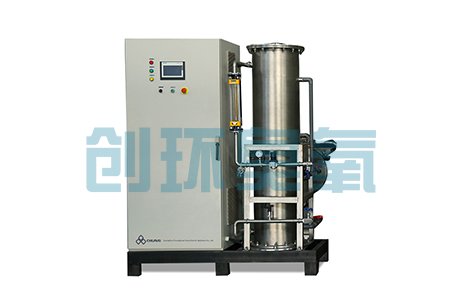
An ozone generator creates ozone gas on-site by passing an electrical discharge through concentrated oxygen gas. For a paper mill, you cannot rely on commercial-grade systems designed for municipal drinking water or HVAC applications. You must source heavy-duty, liquid-cooled, high-frequency ozone generators capable of producing hundreds of pounds of ozone per day. Sizing the generator correctly is critical and must be based on your specific daily effluent flow rate and target COD reduction metrics.
The Importance of Specialized Equipment
Not all generators are created equal when dealing with thick, highly polluted industrial slurry. You must specifically procure an ozone generator for wastewater Treatment that features robust dielectric tubes and advanced mass-transfer injection systems. Efficient mass transfer—getting the ozone gas to completely dissolve into the dirty water—dictates the overall success of the operation. Utilizing specialized venturi injectors and high-efficiency contact tanks ensures that not a single molecule of ozone is wasted.
Real-World Application: A Hypothetical Case Study
To truly understand the impact of this technology, let’s examine a hypothetical mid-sized Kraft paper mill producing 500 tons of paper daily.
The Challenge
This theoretical mill was facing $50,000 monthly fines due to consistently exceeding the local municipal discharge limits for COD (capped at 250 mg/L) and color. Their existing activated sludge plant was maxed out, and the effluent was leaving the facility at a dangerous 600 mg/L COD. The facility was at risk of a forced operational shutdown by local environmental authorities.
The Ozone Implementation
Instead of spending millions expanding their physical biological treatment basins, the mill retrofitted their system with a specialized ozone generator for wastewater Treatment. They installed the ozone injection skid as a “polishing step” immediately following their biological clarifier. The system was designed to inject 50 kg of ozone per hour directly into the effluent stream.
The Results
Within 48 hours of system commissioning, the visual transformation was staggering. The effluent transitioned from a murky dark brown to near-crystal clarity. The final discharge COD dropped from 600 mg/L down to a fully compliant 120 mg/L, completely eliminating their municipal fines. Furthermore, the dissolved oxygen levels in the final discharge skyrocketed, which actually improved the health of the local river ecosystem receiving the water.
Financial Breakdown: Cost vs. ROI in Ozone Implementation
Facility managers often hesitate to adopt advanced oxidation technologies due to perceived high upfront costs. However, a comprehensive financial analysis reveals a remarkably swift payback period.
Initial Capital Expenditure (CAPEX)
Purchasing a high-capacity industrial generator, oxygen concentrators, and injection manifolds requires a significant initial capital investment. For a mid-sized paper mill, CAPEX can range from $500,000 to over $1.5 million. However, this CAPEX is often heavily subsidized by green energy grants and environmental compliance tax credits offered by federal and state governments.
Operational Expenditure (OPEX) Savings
The true financial power of ozone treatment in paper mill effluent lies in its drastic reduction of daily operating expenses. By eliminating chemical coagulants, facilities save tens of thousands of dollars on chemical procurement. Sludge hauling costs are cut in half, saving roughly $200,000 annually for a standard mill. When combined with the elimination of regulatory fines and municipal water savings via recycling, most paper mills see a full ROI in under 24 months.
Integration with Existing Wastewater Treatment Plants (WWTP)
You do not need to tear down your existing wastewater infrastructure to benefit from ozonation. Ozone systems are highly modular and can be integrated seamlessly into current operations.
Pre-Treatment vs. Post-Treatment
Ozone can be applied at two distinct stages in your treatment train. As a pre-treatment, ozone is injected before the biological basins to crack large, toxic molecules, making the water easier for bacteria to digest. As a post-treatment (polishing), ozone is applied at the very end of the process to remove remaining color, destroy trace hard COD, and disinfect the water prior to final river discharge or internal reuse.
Frequently Asked Questions (FAQ)
Is ozone treatment safe for the plant operators?
Yes. Modern ozone systems operate under a vacuum and include highly sensitive ambient air monitors. If a leak is detected, the system immediately shuts down oxygen flow and halts ozone production safely. Furthermore, ozone naturally reverts back to breathable oxygen, leaving no toxic residue.
How does ozone compare to using chlorine for effluent treatment?
Ozone is significantly more powerful than chlorine and acts thousands of times faster. Most importantly, ozone does not create harmful toxic byproducts like AOX or trihalomethanes (THMs), which are common and heavily penalized issues associated with chlorine bleaching and treatment.
Can an ozone generator handle sudden spikes in wastewater pollution?
Absolutely. Advanced ozone systems are equipped with automated Variable Frequency Drives (VFDs) and real-time COD sensors. If the pollution load suddenly spikes, the system instantly ramps up power to produce more ozone gas, ensuring continuous compliance without manual intervention.
What is the ongoing maintenance like for industrial ozone systems?
Maintenance is highly predictable and generally low-cost. Operators must conduct routine checks on the air preparation system (ensuring incoming oxygen is completely dry) and perform annual cleanings of the dielectric tubes. Because the system utilizes no moving parts to create the gas, mechanical failures are exceptionally rare.
Conclusion: Securing the Future of Your Paper Mill
Implementing ozone treatment in paper mill effluent is no longer a futuristic luxury; it is an operational necessity in today’s strictly regulated environmental landscape. By upgrading to an advanced oxidation process, facilities can permanently eradicate dark water color, easily meet tough COD/BOD discharge limits, and drastically reduce their reliance on expensive chemical additives.
The initial investment in a high-quality ozone generator pays for itself rapidly through eliminated fines, reduced sludge disposal fees, and unprecedented water recycling capabilities. Don’t wait until your facility faces a crippling compliance shutdown.
Are you ready to optimize your wastewater treatment process and secure your mill’s environmental compliance? Contact our team of elite wastewater engineers today for a customized site audit and discover the perfect ozone solution for your specific operational needs.