To choose an ozone generator for water treatment, you must calculate the required ozone dosage (mg/L) based on your water flow rate and contaminant levels. Prioritize generators with high-frequency inverters and integrated cooling systems. Ensure the unit matches your specific application—whether well water, pools, or industrial processes—to guarantee effective disinfection and oxidation.
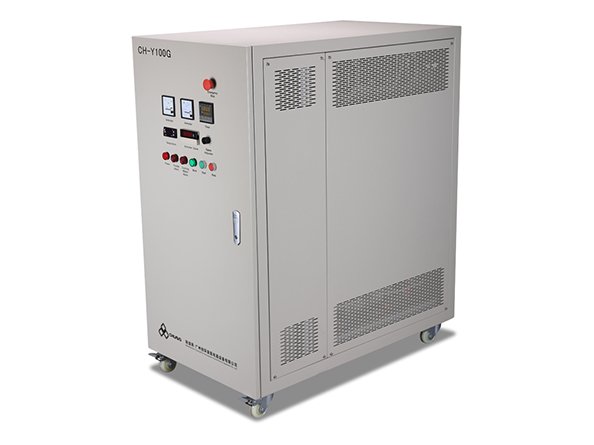
Introduction: The Power of Ozone in Modern Water Purification
If you are struggling with persistent odors, metallic tastes, or microbial contamination in your water supply, traditional filtration often falls short. You need a solution that doesn’t just filter but aggressively oxidizes impurities.
The challenge is that the market is flooded with varying technologies, making it difficult to find the right fit for your specific needs. Choosing the wrong system leads to inefficient treatment, high maintenance costs, and potential equipment failure.
In this comprehensive guide, we will break down the technical specifications, the science of oxidation, and the exact steps you need to take to select a high-performance ozone water treatment system that lasts for decades.
—
Understanding the Role of an Ozone Generator for Water Treatment
Ozone ($O_3$) is one of the most powerful oxidizing agents available for water treatment. Unlike chlorine, it leaves no chemical residue and works up to 3,000 times faster at destroying bacteria and viruses.
Why Ozone is the Gold Standard
When you choose an ozone generator for water treatment, you are investing in a chemical-free process. Ozone effectively targets:
• Iron and Manganese: Precipitates dissolved metals for easy filtration.
• Hydrogen Sulfide: Eliminates the “rotten egg” smell instantly.
• Microorganisms: Destroys Cryptosporidium, Giardia, and E. coli.
• Micro-pollutants: Breaks down pesticides and pharmaceutical traces.
—
Step 1: Calculate Your Ozone Demand and Dosage
Before browsing hardware, you must understand your “Ozone Demand.” This is the amount of ozone consumed by the impurities in the water before a residual ozone level can be established.
The Math of Clean Water
To determine the size of the ozone generator for water treatment you need, use this basic formula:
Gram per Hour (g/hr) = Flow Rate (Liters per hour) × Dosage (mg/L) / 1000
Pro-Tip: For standard well water with moderate iron, a dosage of 1 to 2 mg/L is usually sufficient. However, if you are treating wastewater or heavy organics, your dosage may jump to 10 mg/L or higher. Always perform a water lab test before purchasing.
—
Step 2: Evaluate the Technology Types (CD vs. UV)
There are two primary ways ozone is generated. For serious water treatment, the choice is usually clear.
Corona Discharge (CD) – The Professional Choice
Most high-end ozone water treatment system setups use Corona Discharge. This involves passing dry air or oxygen through a high-voltage electrical field.
• Pros: High ozone concentration, scalable for large volumes, and highly efficient.
• Cons: Requires a dry air source to prevent nitric acid buildup.
Ultraviolet (UV) Ozone Generation
UV lamps produce ozone by mimicking the sun’s rays.
• Pros: Lower initial cost, simple mechanics.
• Cons: Very low ozone concentrations; generally insufficient for high-flow water oxidation or heavy iron removal.
—
Step 3: Feed Gas – Air vs. Oxygen
The performance of your generator is heavily dictated by the gas fed into it.
• Ambient Air: Uses the 21% oxygen available in the atmosphere. This is cheaper but less efficient and requires high-quality air dryers.
• Oxygen Concentrators: By feeding 90-95% pure oxygen into the generator, you can double or triple the ozone output of the same machine.
Expert Insight: If your application requires high ozone concentrations (above 1% by weight), always pair your generator with an oxygen concentrator. This prevents “moisture “fouling” of the corona cells.
—
Step 4: Cooling Systems and Durability
Ozone generation creates heat as a byproduct. Excessive heat destroys ozone molecules as quickly as they are formed.
When you choose an ozone generator for water treatment, check for:
• Air-Cooled Systems: Best for small, residential applications or intermittent use.
• Water-Cooled Systems: Essential for industrial or 24/7 operations. They maintain a stable temperature, ensuring consistent ozone output regardless of the ambient environment.
—
Step 5: Integration and Mass Transfer
The best generator in the world is useless if the ozone doesn’t mix with the water. This is called “Mass Transfer.”
Venturi Injectors
The most common method. A vacuum is created to pull ozone gas into the water stream. It is highly efficient and has no moving parts.
Diffuser Stones
Similar to an aquarium bubbler. These are less efficient for high-flow systems but can work for small batch tanks.
Pro-Tip: Always include a Degassing Valve and a Destruct Unit in your system. This ensures that excess ozone gas is safely removed and converted back to oxygen rather than venting into your living or working space.
—
Summary Checklist for Choosing an Ozone Generator
| Feature | Residential Well | Commercial/Industrial |
|---|---|---|
| Technology | Corona Discharge | Corona Discharge (High Freq) |
| Feed Gas | Dry Air or Oxygen | Pure Oxygen |
| Cooling | Air Cooled | Water Cooled |
| Material | 316 Stainless/Teflon | 316 Stainless/Kynar |
| Control | On/Off | 4-20mA / Modbus Integration |
—
Maintenance and Longevity (EEAT Perspective)
As a strategist in this field, I have seen many users neglect the “air prep” side of the system. If you use a CD generator with moist air, you will create nitric acid. This acid will corrode your components from the inside out.
To ensure your ozone generator for water treatment lasts 10+ years:
• Check air dryers monthly.
• Clean the corona cell annually.
• Replace check valves every 12-18 months to prevent water backflow into the electronics.
—
Frequently Asked Questions (FAQ)
1. Is ozone-treated water safe to drink?
Yes, it is highly safe. Ozone leaves no chemical residual and reverts back to pure oxygen within minutes. It is widely used by major bottled water brands for disinfection.
2. How long does ozone stay in the water?
Ozone has a short half-life, typically 10 to 30 minutes depending on water temperature and pH. After this time, it dissipates, leaving behind only purified water.
3. Will an ozone generator remove hardness (calcium/magnesium)?
No. Ozone is an oxidizer, not a softener. While it is excellent for removing iron, sulfur, and manganese, it will not reduce “hard water” scale. You would still need a water softener for that.
4. How much electricity does an ozone generator use?
Modern high-frequency generators are very efficient. A typical residential unit uses about as much electricity as a 100-watt light bulb.
5. Can I install an ozone water treatment system myself?
While possible for a dedicated DIYer, it is recommended to have a professional plumber or water specialist install the system to ensure the venturi and check valves are correctly calibrated to prevent backpressure.
—
Conclusion: Making the Right Investment
To choose an ozone generator for water treatment effectively, you must look beyond the price tag and focus on the technical requirements of your water chemistry. By prioritizing Corona Discharge technology, ensuring proper air preparation, and calculating your dosage correctly, you can achieve crystal-clear, pathogen-free water.
Ready to upgrade your water quality?
[Contact our specialists today for a custom water analysis and a tailored ozone solution.]