Ozone treatment in shrimp farming is the most effective method for controlling pathogenic Vibrio bacteria and preventing Early Mortality Syndrome (EMS). By utilizing a high-output ozone generator for aquaculture, farmers can oxidize organic matter and disinfect water without harmful chemical residues, ensuring a sterile environment that promotes rapid shrimp growth and significantly reduces larval mortality rates.
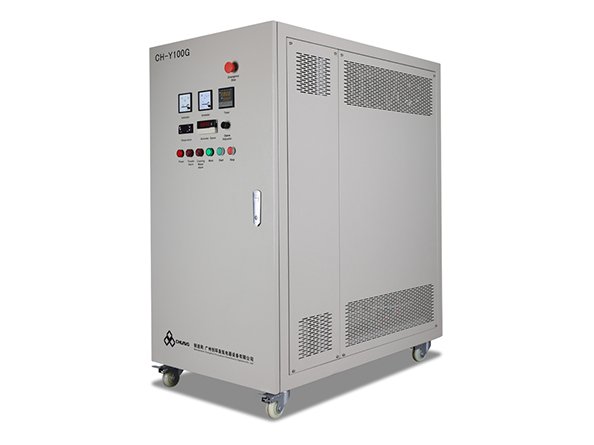
Introduction: The Silent Threat to Shrimp Profits
The global shrimp industry has faced devastating losses over the last decade, primarily driven by a single, formidable enemy: Early Mortality Syndrome (EMS), also known as Acute Hepatopancreatic Necrosis Disease (AHPND). Caused by specific strains of Vibrio parahaemolyticus, EMS can wipe out up to 80% of a pond’s population within the first 30 days of stocking.
Traditional chemical treatments—such as chlorine or antibiotics—often fall short. Chlorine leaves toxic residues that stress the shrimp, while antibiotics contribute to global antimicrobial resistance, often resulting in export bans.
This is where ozone in aquaculture changes the game. As a powerful oxidizing agent, ozone provides a chemical-free solution to water sterilization, targeting pathogens at a molecular level. In this guide, we will explore how implementing an ozone generator for aquaculture can safeguard your investment and optimize your harvest.
—
Understanding the Enemy: Vibrio and EMS
Before we dive into the solution, we must understand the pathology of the threat. EMS is not just a disease; it is a management crisis.
What is EMS/AHPND?
Early Mortality Syndrome is characterized by the whitening of the shrimp’s hepatopancreas (the digestive organ). Once the Vibrio bacteria colonize the shrimp’s gut, they release potent toxins that destroy tissue, leading to rapid death.
Why Traditional Disinfection Fails
• Biofilms: Vibrio bacteria are experts at forming biofilms on pond liners and pipes, protecting them from standard liquid disinfectants.
• Organic Loading: High levels of uneaten feed and waste neutralize many chemicals, leaving pathogens active.
• Stress Factors: Chemical fluctuations cause shrimp to molt prematurely or stop feeding, making them more susceptible to infection.
—
How Ozone Treatment in Shrimp Farming Works
Ozone (O3) is an unstable molecule consisting of three oxygen atoms. Because it is highly reactive, it seeks to “give away” its third atom to organic matter and pathogens.
The Mechanism of Action
When ozone is injected into pond water or a recirculating aquaculture system (RAS), it destroys bacteria through protoplasmic oxidation. Unlike chlorine, which must diffuse through the cell wall, ozone ruptures the cell membrane instantly. This process is so effective that it eliminates even the most resistant strains of Vibrio.
Enhancing Water Quality
Beyond pathogen control, Ozone Treatment in Shrimp Farming serves several critical functions:
• Micro-flocculation: Ozone clumps fine colloidal solids together, making them easier to remove via protein skimmers or filtration.
• Nitrite Removal: Ozone directly oxidizes toxic Nitrite (NO2) into less harmful Nitrate (NO3).
• DOC Reduction: It breaks down Dissolved Organic Carbon (DOC), which is the primary food source for bacterial blooms.
—
Strategic Implementation: Using an Ozone Generator for Aquaculture
To achieve success, ozone must be integrated into the farm’s infrastructure correctly. Simply “bubbling” ozone into a large pond is inefficient.
1. Pre-treatment (Water Intake)
The first line of defense is treating the source water. By using an ozone generator for aquaculture at the intake point, farmers can ensure that no “wild” Vibrio or viruses enter the nursery or grow-out ponds.
2. Recirculating Aquaculture Systems (RAS)
In intensive shrimp farming, RAS is the gold standard. Ozone is typically injected into a contact chamber alongside a protein skimmer. This setup ensures maximum contact time between the ozone and the pathogens while stripping out the oxidized organic waste.
3. Monitoring ORP (Oxidation-Reduction Potential)
The key to safe ozone use is monitoring the ORP levels.
• Ideal Range: 250mV to 350mV.
• Danger Zone: Above 400mV (can damage shrimp gill tissue).
Automated controllers can throttle the ozone generator to maintain these precise levels, ensuring a safe yet sterile environment.
—
Pro-Tip: The “Clear Water” Advantage
Expert Insight: Shrimp are visual feeders. By using ozone to clear the “tannin” or yellowish tint caused by organic acids, you improve light penetration and visibility. Farmers often report a 10-15% increase in Feed Conversion Ratios (FCR) because shrimp can locate pellets more efficiently in ozone-treated water.
—
Cost-Benefit Analysis: Is Ozone Worth the Investment?
Many farmers hesitate at the initial capital expenditure (CAPEX) of high-quality ozone equipment. However, the operational reality tells a different story.
| Feature | Chlorine/Chemicals | Ozone Treatment |
|---|---|---|
| Residue | High (Requires de-chlorination) | None (Reverts to Oxygen) |
| Pathogen Resistance | Bacteria can adapt | No known resistance |
| Growth Rates | Stunted due to stress | Accelerated (High O2 levels) |
| Environmental Impact | High | Zero (Eco-friendly) |
| Long-term ROI | Ongoing chemical costs | Low power consumption; no refills |
By preventing a single EMS outbreak, an ozone generator for aquaculture typically pays for itself within one to two harvest cycles.
—
Step-by-Step Guide to Preventing EMS with Ozone
If you are looking to transition to an ozone-based biosecurity protocol, follow these steps:
• Audit Your Organic Load: Ensure your filtration system can handle the solids that ozone will flocculate.
• Size Your Generator: A general rule of thumb for intensive shrimp farming is 10-15 grams of ozone per hour for every 100 cubic meters of water, depending on stocking density.
• Install a Degassing Tower: Ozone must be fully “off-gassed” or reacted before the water reaches the shrimp to prevent gill irritation.
• Target the Nursery Phase: The first 20 days are critical for EMS. Ensure the nursery tanks have the highest level of ozone disinfection.
—
The Future of Sustainable Shrimp Farming
The global market is shifting toward “Green” and “Organic” certifications. Consumers in the US and EU are increasingly rejecting shrimp treated with antibiotics. Ozone in aquaculture allows farmers to meet these stringent requirements while maintaining high-density yields.
By focusing on Ozone Treatment in Shrimp Farming, producers move away from “reactive” crisis management and toward “proactive” biosecurity.
—
FAQ: Frequently Asked Questions
1. Is ozone harmful to the shrimp themselves?
Ozone is only harmful if applied in excess or if there is no contact time for it to dissipate. By using an ORP controller to keep levels below 350mV and ensuring proper aeration, ozone is completely safe and actually improves shrimp health by increasing dissolved oxygen levels.
2. Can ozone replace bio-floc systems?
Ozone and Bio-floc can be used together, but it requires careful management. Ozone can kill the “good” bacteria in a bio-floc system if injected directly into the pond. It is best used in a side-stream or for pre-treating water before it enters the bio-floc environment.
3. How does ozone specifically kill Vibrio?
Ozone destroys the cell wall of Vibrio parahaemolyticus through oxidation. More importantly, it breaks down the toxins (PirA and PirB) produced by the bacteria, which are the actual cause of death in EMS cases.
4. What maintenance does an ozone generator for aquaculture require?
Modern generators are robust but require dry air or pure oxygen to function. Maintenance usually involves cleaning the corona discharge cells and replacing air filters or desiccant beads every 6-12 months.
5. Does ozone affect the pH of the pond?
Ozone has a neutral effect on pH. However, by removing organic acids and carbon dioxide, it can help stabilize the pH and prevent the “crashes” common in high-density shrimp ponds.
—
Conclusion: Take Control of Your Biosecurity
The threat of EMS and Vibrio is a constant shadow over the shrimp industry, but it doesn’t have to dictate your success. Ozone Treatment in Shrimp Farming offers a powerful, sustainable, and highly effective way to sanitize your water and protect your crop.
By investing in a professional ozone generator for aquaculture, you are not just buying equipment; you are buying insurance for your harvest.
Ready to boost your yields and eliminate EMS? [Contact our technical team today] for a custom ozone integration plan tailored to your farm’s specific needs. Eliminate the pathogens, protect your shrimp, and secure your profits.