A water ozonizer (also known as an ozone generator for water) is a compact device that converts oxygen (O2) from the air into ozone (O3) and diffuses it into water to eliminate bacteria, viruses, parasites, and odors. Unlike harsh chemical cleaners, ozone is a powerful oxidant that leaves behind no toxic residue, as it naturally reverts to pure oxygen shortly after use.
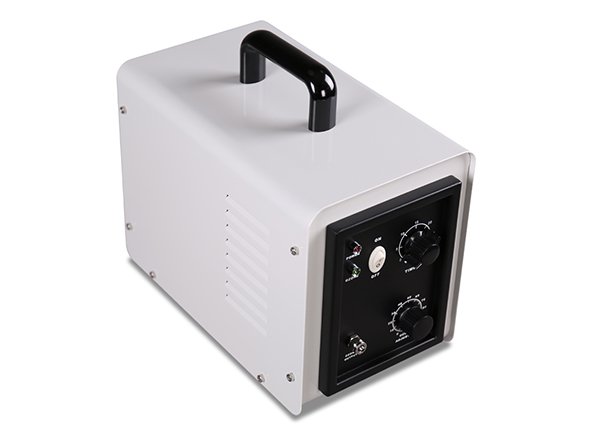
By reading this guide, you will understand the technical mechanics of water ozonation, how to safely integrate it into your daily kitchen and beauty routines, and what specific features to look for when purchasing a residential unit.
How Does a Water Ozonizer Actually Work?
To understand the power of a water ozonizer, we must look at the molecular structure of ozone. Ozone consists of three oxygen atoms. The third atom is unstable and seeks to detach itself and bind with other organic substances.
When this third atom encounters a pathogen or a VOC (volatile organic compound), it causes a tiny explosion called oxidation. This process ruptures the cell walls of bacteria and neutralizes viruses efficiently.
Most modern residential ozonizers use Corona Discharge technology. This process mimics a miniature lightning strike, passing an electric current through the air to split oxygen molecules, which then reform as O3. The gas is then pumped through a stone diffuser or “bubbler” into your water source.
The Scientific Benefits of Ozonated Water
Using a water ozonizer offers a level of sanitation that filtered water alone cannot provide. While a standard carbon filter removes sediment and some chemicals, it rarely kills highly resistant pathogens like Cryptosporidium.
Superior Disinfection Power
Ozone is one of the strongest disinfectants available for home use. Research shows it is significantly more effective than chlorine at killing E. coli and Salmonella. Because it works so quickly, it is the preferred method for high-end bottling plants and municipal water treatment facilities.
Chemical-Free Residue
The greatest advantage of ozonated water is its environmental profile. When you use bleach or ammonia to clean, you are left with chemical fumes and potential surface residue. Ozone does its job and then literally vanishes into thin air, leaving you with nothing but H2O and oxygen.
Increased Oxidation-Reduction Potential (ORP)
A high-quality water ozonizer increases the ORP of the water. This is a measurement that indicates the water’s ability to break down contaminants. Higher ORP levels mean the water is more “aggressive” toward pathogens, making it an elite tool for medical-grade sterilization in a home setting.
Practical Applications of a Water Ozonizer at Home
Many consumers purchase a water ozonizer for a single purpose, only to realize the device has dozens of applications across the household.
1. Kitchen Sanitation and Food Safety
Fruit and vegetable washes are often ineffective against modern pesticides. By placing your produce in a bowl of water and running your water ozonizer for 10-15 minutes, you can significantly reduce pesticide residue.
Furthermore, ozone kills the bacteria responsible for food spoilage. In a hypothetical study of produce longevity, strawberries washed in ozonated water remained mold-free for 5–7 days longer than those washed in tap water. This makes the device a food-waste reduction tool as much as a safety tool.
2. Oral Hygiene and Dental Care
Gargling with freshly produced ozonated water can help reduce oral bacteria. Many holistic dentists recommend it for managing gum inflammation or disinfecting toothbrushes. The high oxidation potential of the water helps neutralize the plaque-forming bacteria that standard rinsing misses.
3. Dermatological and Beauty Uses
Ozonated water is often used as a facial splash to treat acne. Since acne is largely caused by bacteria trapped in pores, the bacterial disinfection properties of ozone help clear the skin without the drying effects of benzoyl peroxide.
4. Sterilizing Baby Products
For parents, a water ozonizer is a game-changer. You can quickly disinfect pacifiers, bottle nipples, and teething toys without boiling water or using plastic-leaching sterilization bags. Simply submerge the items in a basin of water and infuse it with ozone for 10 minutes.
Safety Protocols: Is Ozone Dangerous?
Safety is a common concern for those new to water ozonizer technology. While ozone is a powerful oxidant, it is perfectly safe when handled with common sense.
Avoid Inhalation
The primary risk of a water ozonizer is not the water itself, but the gas that escapes into the air during the bubbling process. High concentrations of ozone can irritate the lungs. To mitigate this, always use your ozonizer in a well-ventilated area or under a stove vent hood.
The Half-Life of Ozone
Ozone does not stay in the water forever. Depending on the temperature, it has a half-life of about 20 to 30 minutes. If you are intending to drink ozonated water for its purported health benefits, you must consume it within this window. Conversely, if you are worried about the “strength” of the water, simply letting it sit for an hour will return it to regular water.
What to Look for When Buying a Water Ozonizer
Not all units are created equal. If you are shopping for an ozone generator for water, look for these specific technical requirements:
• Milligrams per Hour (mg/h): For home use, a range of 400mg/h to 800mg/h is ideal. Anything lower may not be strong enough to treat a large bowl of vegetables; anything higher is generally reserved for commercial applications.
• Built-in Timer: Since you shouldn’t run the machines indefinitely, a digital timer is essential for precise treatment.
• Food-Grade Components: Ensure the tubing is made of food-grade silicone or Teflon. Lower-quality plastics can actually be degraded by the ozone, leaching chemicals back into your water.
• Portability: Many users prefer a unit that can be moved from the kitchen to the bathroom or even taken on camping trips.
Case Study: Reducing Biofilm in Kitchen Drains
In a residential trial, a homeowner used a water ozonizer to treat a kitchen sink that suffered from recurring odors caused by biofilm buildup. By pouring one gallon of highly concentrated ozonated water down the drain daily for one week, the foul odors were eliminated without the use of caustic drain cleaners. The ozone effectively “ate” the organic slime layer that bacteria calls home.
Step-by-Step Guide to Ozonating Your Water
• Set Up: Place the ozonizer unit on a dry surface at least two feet away from the water container to prevent backflow.
• Submerge: Place the diffuser stone at the bottom of a glass or ceramic container (avoid reactive metals like aluminum).
• Ventilate: Open a window or turn on a fan.
• Timer Settings: Set the timer—5 minutes for a glass of water, 15 minutes for a sink full of vegetables.
• Wait: If drinking, allow the excess bubbles to dissipate for a minute. If cleaning, use the water immediately while the dissolved ozone concentration is at its peak.
FAQ Section
Can you drink ozonated water every day?
Yes, many people drink ozonated water for its high oxygen content and purity. However, it is best to drink it on an empty stomach and consult with a healthcare professional if you have underlying respiratory issues, as the gas can be an irritant during the preparation process.
Does a water ozonizer remove fluoride or lead?
No. A water ozonizer is a disinfection and oxidation tool, not a mechanical filter. While it can oxidize some heavy metals (making them easier to filter out later), it will not remove fluoride or dissolved salts. It should be used in conjunction with a high-quality water filter for the best results.
How long does the ozone stay in the water?
In standard room temperature water, ozone lasts for about 20–30 minutes before reverting back to oxygen. In colder water, the ozone stays dissolved longer, whereas in hot water, it dissipates almost instantly.
Is it safe for pets?
Ozonated water is excellent for cleaning pet bowls and even wiping down fur to remove “doggy odors.” Many pet owners use it to treat aquarium water, but you must be careful with dosage, as fish are highly sensitive to ozone levels.
Conclusion: Taking Control of Your Environment
Investing in a water ozonizer is a proactive step toward a chemical-free lifestyle. This technology provides an incredibly versatile solution for food safety, personal hygiene, and household disinfection. By harnessing the power of three oxygen atoms, you can eliminate pathogens that standard cleaning methods leave behind.
Whether you want to extend the life of your groceries or ensure your family is drinking the purest water possible, the ozonizer is an essential tool for the modern, health-conscious home. Ready to upgrade your home’s defense system? Look for a unit with titanium cell technology and at least 600mg/h output to get started today.